

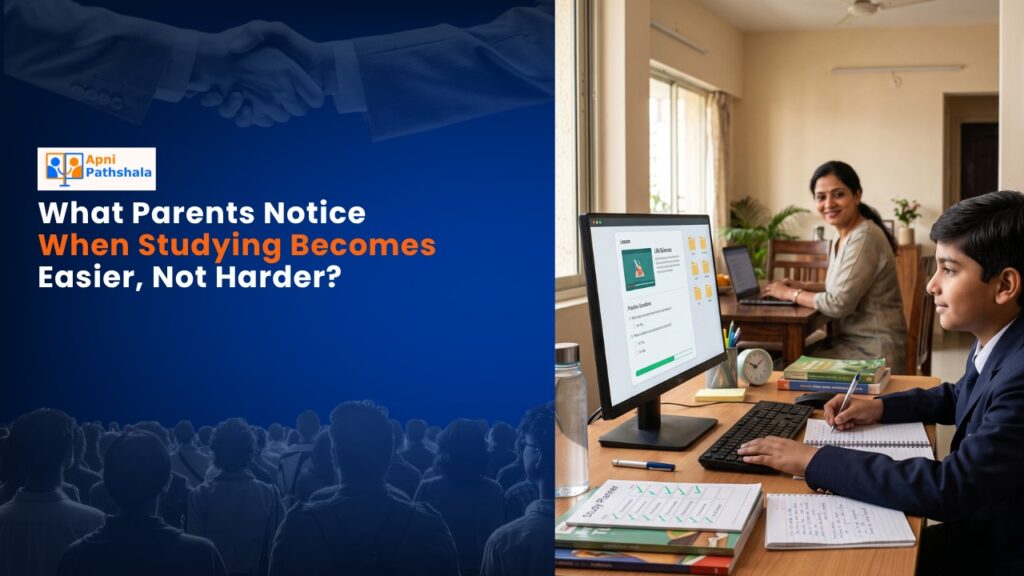
When Studying Stops Feeling Like a Battle
Rajesh sat in his small shop in Indore, scrolling through his phone when his wife Priya called. “Beta got 78 in maths,” she said quietly. Not remarkable, but what shocked Rajesh was what came next: “He studied for only 45 minutes today and didn’t complain once.” Their 13-year-old son Aditya, who used to spend three hours hunched over books with zero progress, had suddenly shifted his study habits. The change wasn’t magic. It was about making studying easier, not harder.
Most parents don’t realise that poor study habits aren’t about laziness. They’re about friction. When your child sits at a cluttered desk, switches between three different apps, and can’t find their notes, studying becomes exhausting before it even starts. You’ll notice something powerful happens when that friction disappears: your child actually wants to study.
The Signs Your Child’s Study Habits Are Finally Working
When studying becomes easier, you’ll see specific changes that no report card can show you. Your child stops making excuses to avoid homework. They don’t ask, “Do I have to study today?” Instead, they sit down without being reminded. This isn’t willpower. This is what happens when the process itself feels manageable.
You’ll notice they remember things better. Not because they’re smarter, but because they’re not burning mental energy fighting their environment. Aditya’s mother noticed he could recall what he studied the next day, something that never happened before. His focus stretched from 15 minutes to nearly an hour without his mind wandering.
Another sign: your child stops feeling stressed about exams. When study habits are solid, anxiety drops naturally. Your son or daughter starts believing they can handle the material because they’ve built a rhythm that actually works. You’ll see them smile more during study time.
Progress becomes visible fast. Better test scores arrive within 2-3 weeks, not months. Your child’s confidence grows because they’re experiencing real wins. This is different from forcing grades up through extra tuition. This is sustainable.
What Makes Study Habits Stick
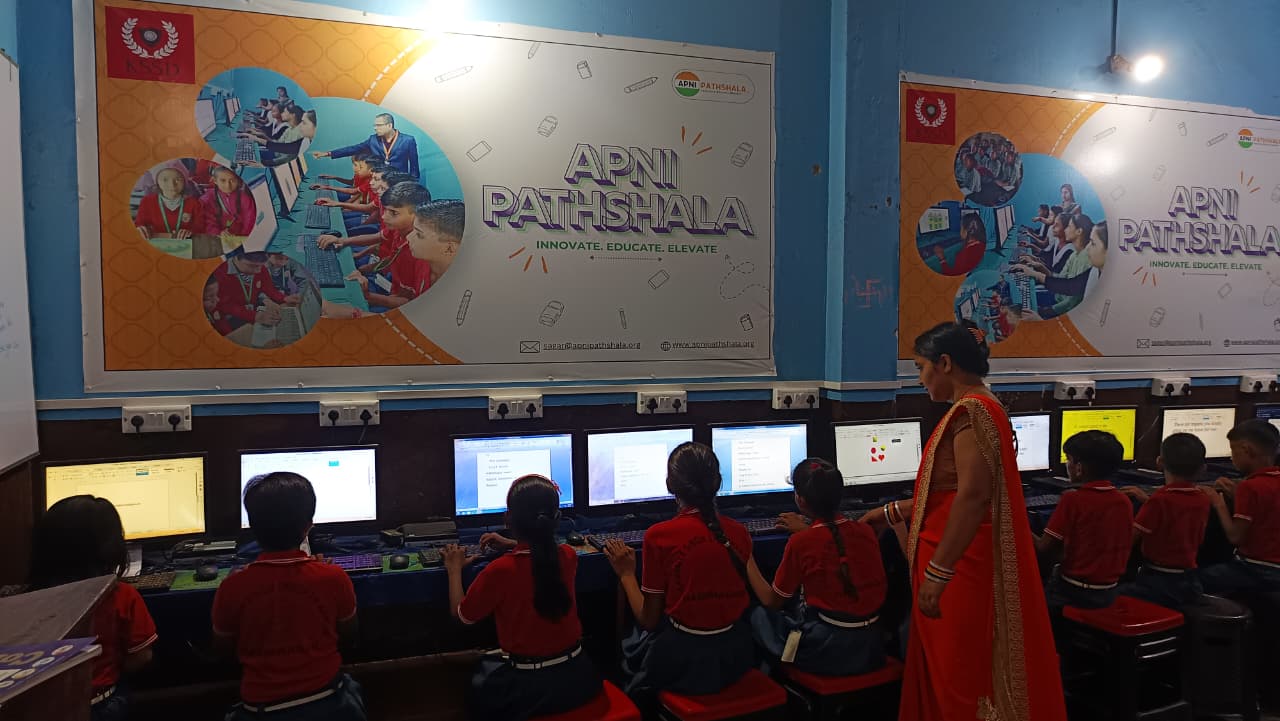
Good study habits need three things: the right tools, a distraction-free environment, and consistency. Most homes have none of these. Your child studies on a phone shared with the family. Notifications pop up constantly. The study desk is also the dining table.
You can create a distraction-free study space without spending lakhs. A dedicated computer helps tremendously. Not a gaming laptop. A simple, focused device built for learning.
The Apna PC is designed exactly for this. It comes with Zorin OS, a clean operating system without the chaos of Windows. There’s no bloatware. No random updates interrupting study sessions. The 8GB RAM and 128GB SSD mean everything loads instantly. Your child doesn’t waste 10 minutes waiting for apps to open.
Pre-loaded with Apni Prerna, you can monitor study patterns without hovering. LibreOffice handles all document work. Scratch teaches coding through creative projects. Everything your child needs is there; nothing they don’t.
At Rs. 30,000 (before shipping and GST), you’re investing in an environment that makes studying easier. Compare this to six months of tuition classes that might not stick.
How Consistency Builds Real Progress
The first week matters most. When your child sits down at the same time, in the same place, with the same device, their brain adapts. They enter “study mode” faster. By week two, studying feels normal, not forced.
You’ll notice they start organising their own notes. They create folders. They develop their own system. This ownership is crucial. They’re no longer just following your instructions. They’re building habits that’ll serve them through college and beyond.
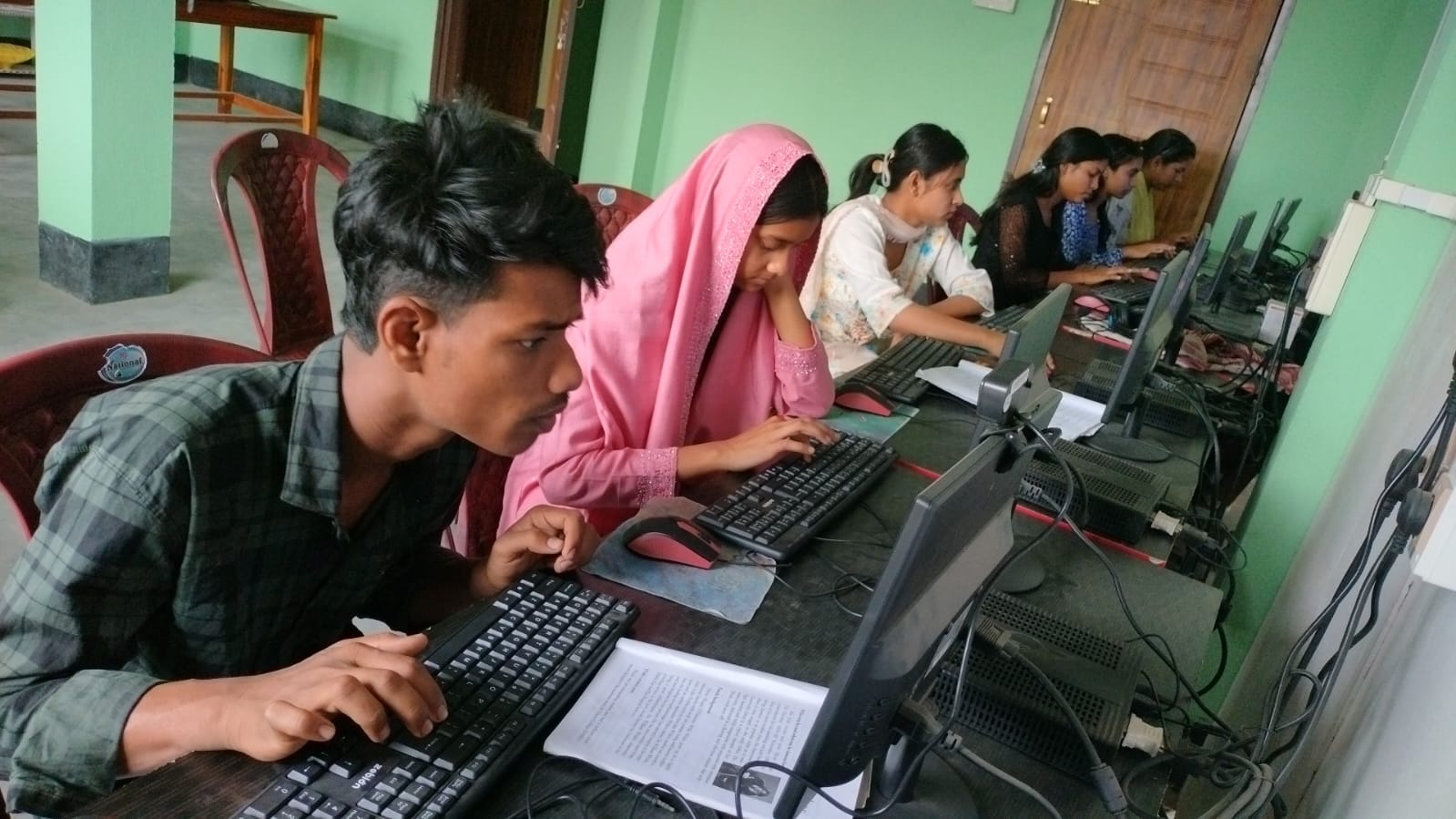
Track small wins. When your daughter completes her study session on time, acknowledge it. When your son solves three extra problems without being asked, notice it. You can celebrate progress without pressure, which keeps motivation high without adding stress.
Most parents underestimate how much the environment shapes behaviour. You can’t expect strong study habits in chaos. But give your child a clean desk, a focused device, and a consistent routine, and something shifts. Studying becomes easier because nothing is fighting against them.
What This Means for Your Child’s Future
Better study habits now mean better board exam scores later. They mean your child enters competitive exams with genuine confidence, not borrowed anxiety. They mean college becomes a place of growth, not survival.
According to the Education in India framework, students who develop consistent study habits early show 40% better retention rates. The Ministry of Education emphasises that the learning environment directly impacts academic outcomes.
Rajesh’s son Aditya now studies for 45 minutes and absorbs more than he used to in three hours. His parents don’t nag him. His grades improved, but more importantly, his relationship with learning changed. He’s not afraid of exams. He’s not burning out. He’s building habits that’ll help him for life.
Your child can experience the same shift. It starts with removing friction from their study process. The Apna PC does exactly that. Educators built it, not tech companies chasing profit. It costs less than a year of tuition but delivers better results because it addresses the root problem: the environment where studying happens. Visit apnapc.com to learn more.