


Asha’s Three-Year Battle: When Study Motivation Runs Dry
Asha sits in her small room in Indore, staring at her biology textbook. It’s 11 PM on a Tuesday, and she’s been reading the same paragraph for twenty minutes. Her mother, Priya, knocks softly and brings chai. “Beta, you’ve been studying since 6 AM,” she says, worry creasing her forehead. Asha is in Class 11, preparing for her board exams and the JEE entrance test. That’s three years of intense study ahead, and right now, in month four, she feels completely empty.
Priya sits on the bed. “I don’t know how to help her keep going,” she tells her husband later that night. Thousands of parents in tier 2 and tier 3 cities face this exact moment. Your child starts strong, but somewhere around month three or four, study motivation crashes. The initial excitement fades. The goals feel too far away. The daily grind feels pointless. This is the real challenge of exam preparation, not the syllabus itself.
Why Study Motivation Disappears (And Why That’s Normal)
Your brain isn’t designed for endless motivation. An examination is a marathon, not a sprint. When you study for months without seeing visible results, your dopamine levels drop. Your child stops feeling rewarded. The brain asks: “Why am I doing this if nothing is changing?”
This isn’t laziness. This isn’t weakness. This is biology. Students who understand this fact stop blaming themselves and start solving the problem instead.
- The novelty wears off: Week one of exam prep feels exciting. Week twelve feels like a prison sentence.
- Progress becomes invisible: Your child can’t see the knowledge building up inside their head. They only see the mountain of topics left to cover.
- Social pressure increases: Friends are doing other things. Instagram shows parties and outings. Your child is inside, studying alone.
- Fatigue compounds: Physical tiredness, mental fatigue, and emotional stress pile up without breaks.
The Real Secret: Build Motivation Into Your System
Motivation isn’t something you find. You build it, like a habit. You don’t wait for study motivation to arrive like a bus. You create conditions where motivation grows naturally.
The first step is recognising that long exam preparation requires a different approach than short-term studying. Your child can’t run on willpower alone for three years. They need structure, tools, and small wins to keep going.
Start by spotting burnout early. If your child is sleeping less than six hours, skipping meals, or crying during study sessions, something’s wrong. Don’t push harder. Step back and rebuild.
Three Concrete Ways to Maintain Study Motivation
1. Make progress visible: Your child’s brain needs to see that studying is working. Use a simple chart. Track chapters completed, mock tests passed, or topics mastered. Hang it on the wall. Every mark on that chart releases dopamine. Every mark says: “You’re getting closer.”
2. Create study rituals, not just study sessions: A ritual is different from a task. A ritual has meaning. It might be: wake up at 6:30, drink water, sit at the desk by 7 AM, study math first. The routine becomes automatic. Your brain doesn’t have to decide whether to study. It just follows the ritual. This saves mental energy for actual learning.
3. Build small daily wins into the schedule: Don’t aim for perfection. Aim for consistency. One solved problem is better than zero. Fifteen minutes of focused study is better than three hours of distracted scrolling. Your child should finish each day knowing they did something right, even if it’s small.
The Role of the Right Tools and Environment
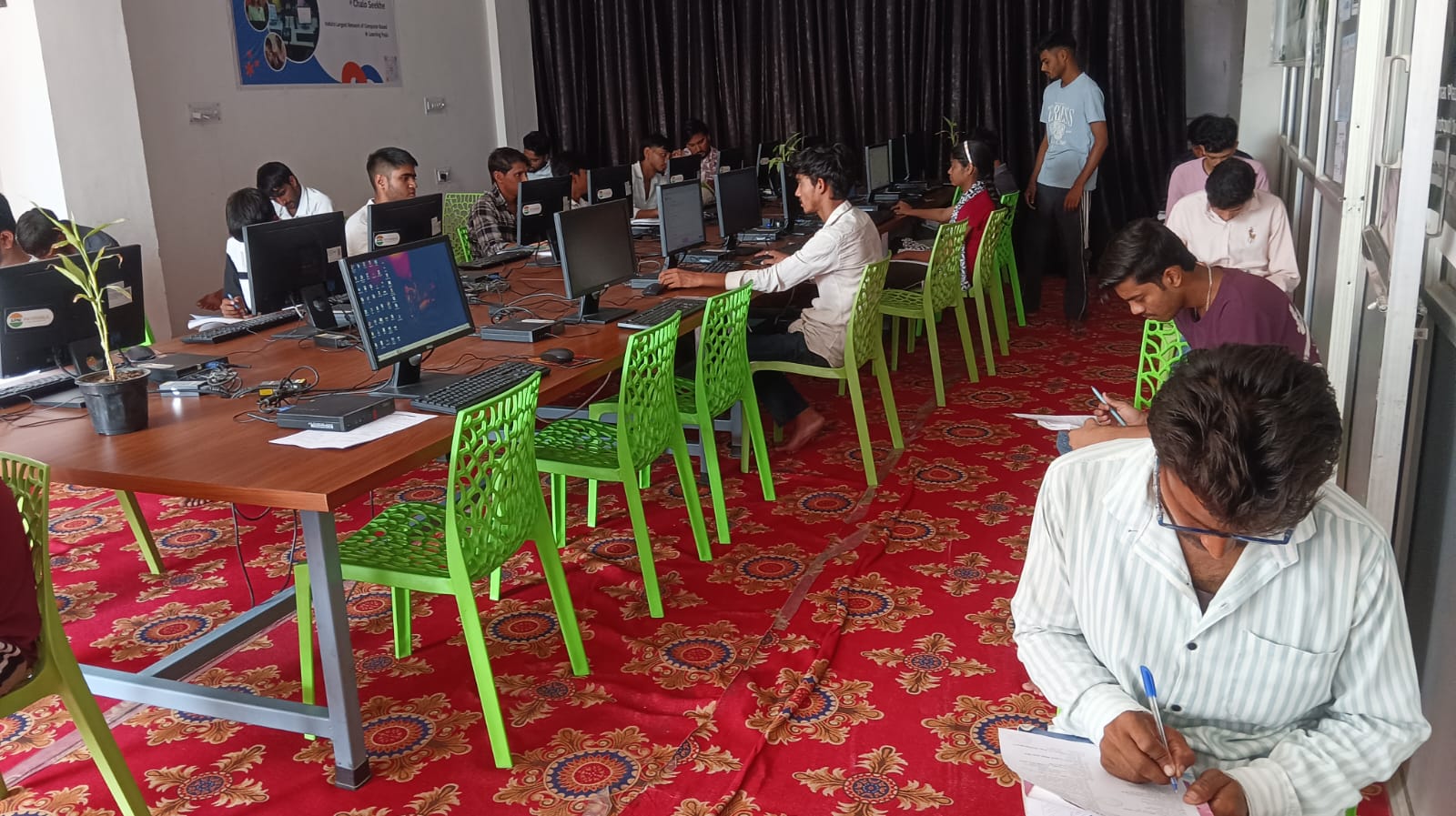
Your child’s study environment matters more than you think. A cluttered desk, a phone nearby, or a computer filled with distractions will destroy study motivation. The brain is lazy. It will take the easy path (social media) over the hard path (learning) if both are available.
This is where a dedicated learning device makes a real difference. The Apna PC is built specifically for students like Asha. It comes pre-loaded with educational software, no social media apps, and no gaming distractions. It’s a computer that says: “I’m here to help you study.”
The Apna PC includes Apni Prerna, which helps parents track study progress without being intrusive. You can see if your child is actually studying or just pretending. You can celebrate their consistency. You can step in early if motivation is dropping. It costs Rs.30,000 (shipping and GST excluded), and it includes 8GB RAM, 128GB SSD, Zorin OS, LibreOffice, and Scratch for coding.
But the device isn’t the solution on its own. The real solution is you, the parent, understanding what your child needs at each stage of their journey.
What to Do When Motivation Still Crashes
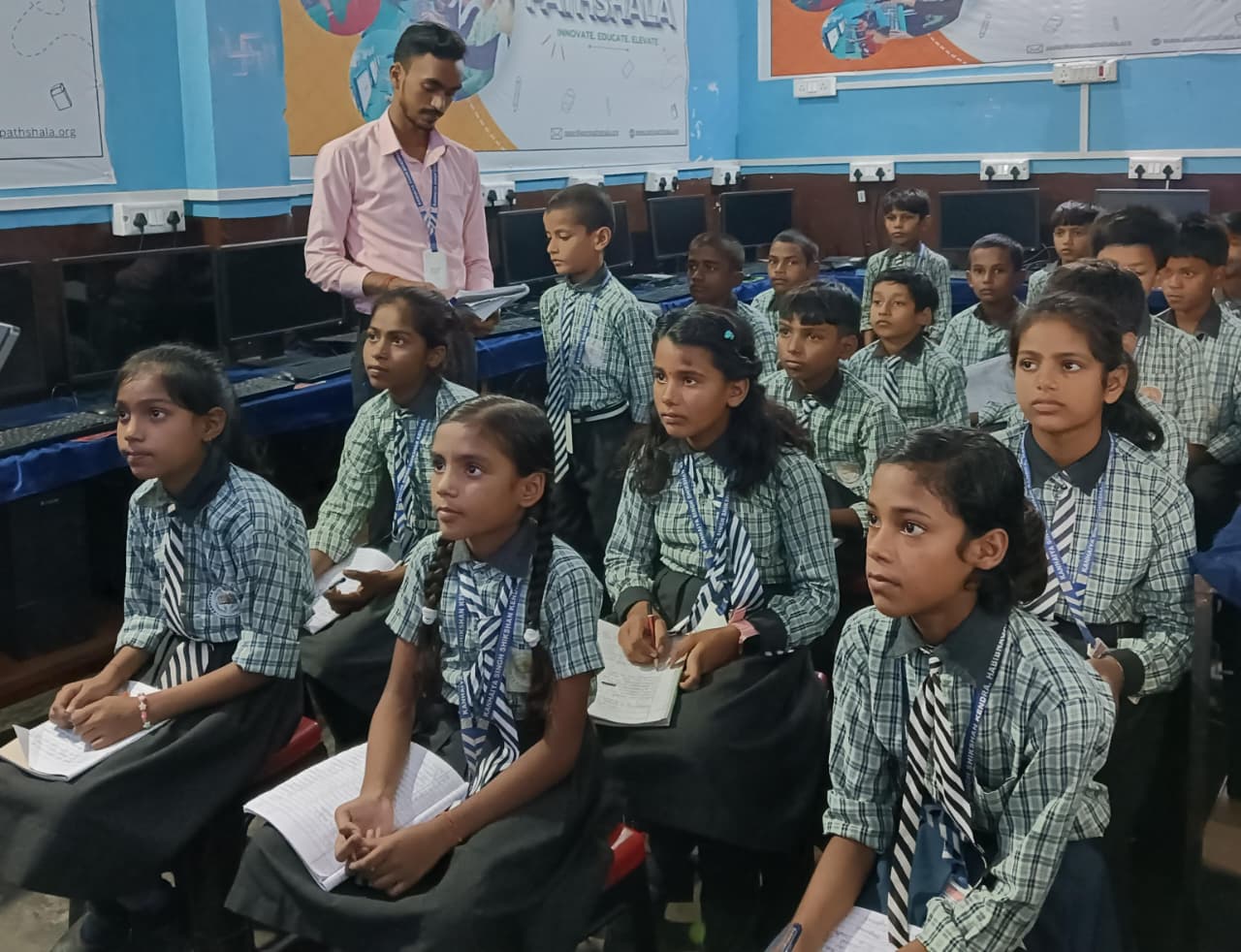
Even with all these strategies, your child will have bad days. Days when they don’t want to study. Days when they cry. Days when they want to quit.
These days are normal. Don’t panic. Don’t push harder. Instead, listen. Ask your child what’s really wrong. Is it a specific subject? Is it pressure from you? Is it comparison with other students? Is it the fear of failure?
Sometimes the answer is: “I just need a break.” Give them a break. A real break. Not a break where they feel guilty. A break where they rest, play, or do nothing. One day of real rest can reset study motivation for the next week.
Check the CBSE official portal for the actual exam dates and syllabus. Sometimes students panic about topics that aren’t even on the exam. Knowing the real scope reduces unnecessary stress.
Asha’s Turning Point
Three months into Asha’s journey, Priya did something different. She stopped asking about marks and started asking about progress. “Did you finish the chapter today?” became “What did you learn today that you didn’t know yesterday?”
She set up a chart on the wall. Every completed chapter got a star. Asha’s room became her study space, with a clean desk and a quiet corner. And yes, they got a computer designed for studying, not for distraction.
By month six, Asha’s study motivation wasn’t gone. It had transformed. It wasn’t about external rewards anymore. It was about the satisfaction of knowing more than she did yesterday. About seeing her star chart fill up. About having a tool that supported her instead of tempting her.
Your child’s journey doesn’t have to be Asha’s struggle. You can start building study motivation today by creating structure, celebrating small wins, and removing distractions. The Apna PC is one tool that helps. Your consistent support is another. Your understanding that motivation is built, not found, is the most important tool of all.
Start today with one small change. Tomorrow, add another. By next month, you’ll see the difference. Visit apnapc.com to learn more.