

A dedicated home computer quietly builds study habits in children through small, repeated actions: sitting down at a set time, opening learning tools instead of entertainment, and trying again after a mistake. Over months, these turn into routine, computer skills and the confidence to learn independently.
For example, a parent who worries a new computer will distract the children may notice them starting homework or coding practice on their own within weeks. Small, quiet changes like these are what stick.
How does a study computer build the habit loop?
It gives children a clear trigger for learning, and repetition does the rest. Habits form through small wins in a space that feels safe for learning, not overnight.
A dedicated computer becomes a study tool, not a distraction. Apna PC comes with Apni Prerna, a student monitoring system that helps you see what your child is doing and helps your child stay focused on learning tasks.
In the first weeks, your child sits down and sees Scratch, a visual coding platform, already waiting. There is no searching and no drifting into YouTube. They click, try, fail and try again:
- Show up at the computer at the usual time.
- Engage with a learning tool already on screen.
- Repeat until it becomes automatic.
Persistence grows this way too. A child who once gave up on a coding problem starts troubleshooting it, because learning feels like a natural next step rather than a punishment.
When do computer skills become second nature for children?
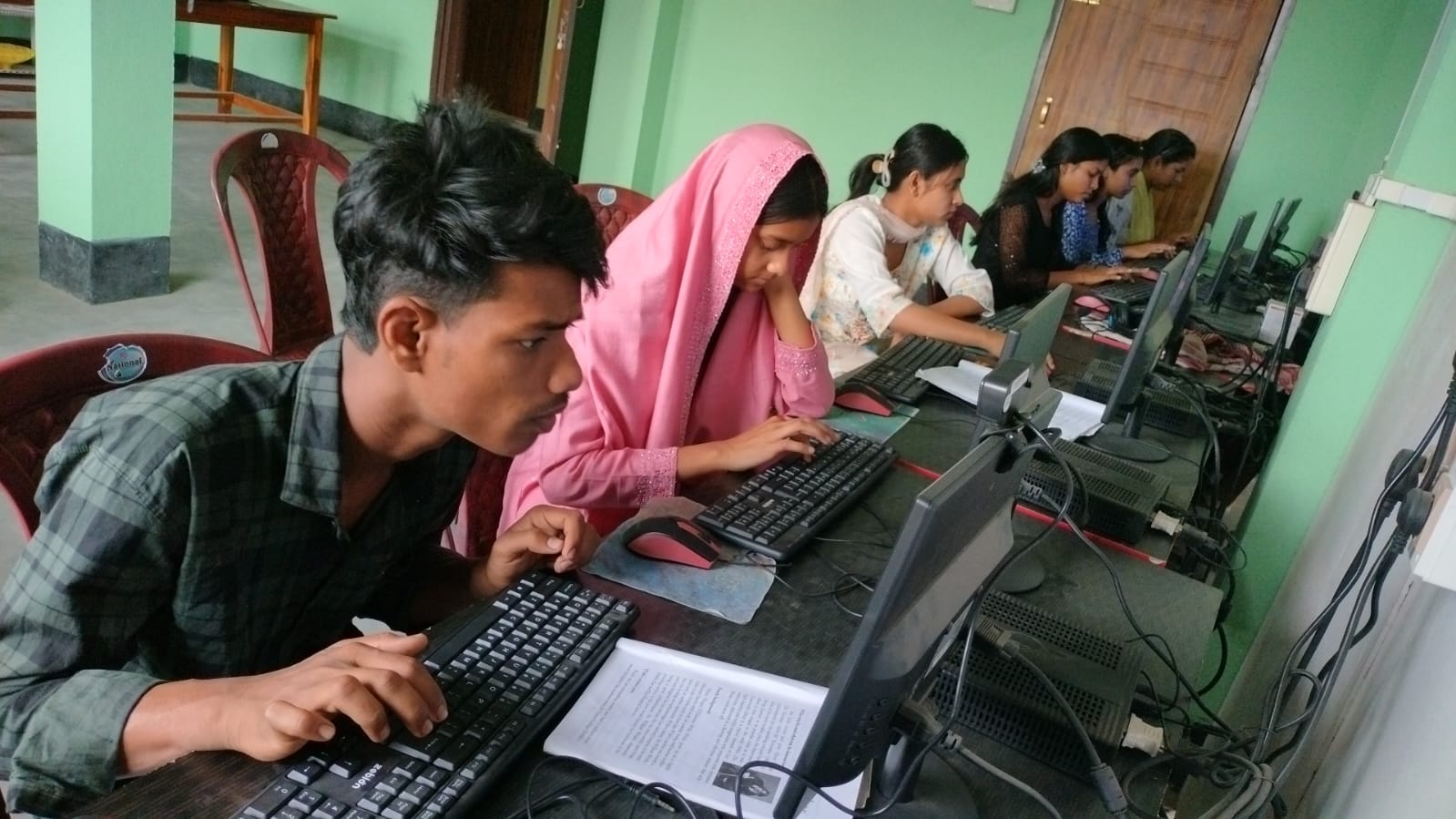
When children start young and practise regularly. In many Tier 2 and Tier 3 cities, children do not get regular computer access until high school, and by then they are behind.
Late starters often type slowly, do not understand file systems and click around hoping something works. With a home computer, children can build computer skills from age 8 or 9 instead of 14 or 15.
Apna PC runs Zorin OS, a clean, fast Linux-based system, with LibreOffice pre-installed. Children learn documents, spreadsheets, presentations, keyboard shortcuts, file organisation and backing up their own work. These are foundational skills that take years to build without the right environment.
Typing homework, even Hindi essays, steadily improves speed. More importantly, children begin to see the computer as a tool, not a toy.
Why is self-learning the most valuable habit?
Because it lets children keep learning without waiting to be told what to do. With Scratch, LibreOffice and a stable computer, they start asking their own questions and exploring.
Self-learning builds curiosity and troubleshooting, and it teaches that mistakes are information, not failure. Read more about how self-learning works on a home computer and how it differs from classroom learning.
A child may start watching coding tutorials because they want to build something specific, then pause, try, fail and restart. Learning stops being something that happens to them and becomes something they do.
What role do structure and monitoring play?
Structure makes habits consistent, and monitoring keeps you informed without controlling. Apni Prerna shows what your child is working on, such as time spent on a Scratch project or completed typing exercises.
It is not about spying. You can see patterns and guide gently. Fix a regular slot, for example 4 PM to 4:45 PM, as computer study time, and keep it consistent.
See also building better study habits with online learning for ideas on supporting your child at home.
Which habits does a home computer build over time?
The habits grow in layers, from routine to independence. Here is how they typically develop.
| Habit | What it looks like |
|---|---|
| Routine | Sitting down at the computer at the same time each day |
| Persistence | Troubleshooting instead of giving up |
| Computer skills | Typing, shortcuts, organising folders |
| Self-learning | Exploring tutorials and asking real questions |
| Independence | Starting homework without reminders |
Read how a first computer shapes digital habits for years.
Why do families in Tier 2 and Tier 3 cities need this now?
Internet has reached many smaller cities, but children still need a reliable computer built for learning. The Digital India initiative has expanded connectivity, and a device that will not crash mid-project is the missing piece.
Apna PC, with 8GB RAM and 128GB SSD, is built for this. Parents in Indore, Nagpur, Jaipur and similar cities ask how to give children these skills without moving to a big city. A personal computer designed for learning at home is one practical answer, at Rs. 30,000.
Frequently Asked Questions
How long does it take for a study habit to form?
It takes weeks of steady repetition rather than days. The key is consistency: the same time slot, the same device and learning tools ready on screen. Expect small changes first, like your child sitting down without reminders, before bigger signs of independence appear.
Will a computer make my child depend less on me?
In a healthy way, yes. Children who build self-learning habits try to solve problems before asking for help, and they come to you with better questions. You stay involved through reports and conversations, but your child gradually takes more ownership of their learning.
Is typing homework better than handwriting?
Both have value. Typing builds speed, file organisation and comfort with tools used in college and work, while handwriting still matters for exams. A good balance is typing some assignments and essays on the computer while keeping regular handwriting practice for school tests.
To help your child build lasting study habits at home, explore Apna PC.