

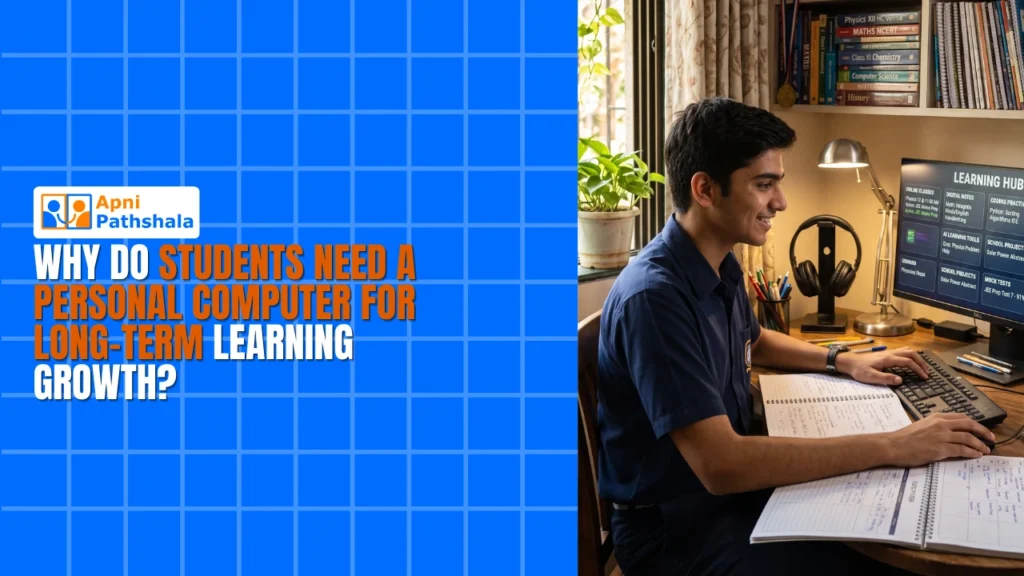
Ravi’s Story: When a Personal Computer Changed Everything
Last year, Ravi’s mother sat in their small living room in Indore, watching her son struggle. He’d scored 62% in Class 9, not because he wasn’t smart, but because he couldn’t access the same learning tools his cousins in Mumbai used. His school had one computer lab, open twice a week for 30 minutes. Ravi’s family couldn’t afford a laptop. Then everything shifted when they bought an affordable personal computer for students. Today, Ravi’s grades are 84%. His mother says it wasn’t magic. It was access.
Your child’s learning journey doesn’t have to follow Ravi’s difficult path. A personal computer for students isn’t a luxury anymore. It’s becoming as essential as a textbook, especially in Tier 2 and Tier 3 cities, where high-quality educational resources remain limited. Let’s talk about why your family needs one, and how it shapes long-term learning growth.
The Real Problem With Learning Without Your Own Device
Think about how your child learns today. They share a computer at school. They borrow your smartphone to watch educational videos. They miss online classes because the device isn’t available when they need it. This scattered approach creates gaps in learning.
When you don’t have a dedicated student learning device at home, your child faces real obstacles:
- Interrupted learning. No device means no practice after school. Concepts fade before they stick.
- Missed opportunities. Online exams, coding classes, and digital projects require consistent access.
- Dependency on others. Waiting for someone else’s device teaches poor time management.
- Limited skill development. Your child never learns to use technology independently.
A home computer solves all of this. It’s there when your child needs to revise. It’s ready for that online test. It becomes a tool they control, not something they borrow.
How a Home Computer Builds Long-Term Learning Growth
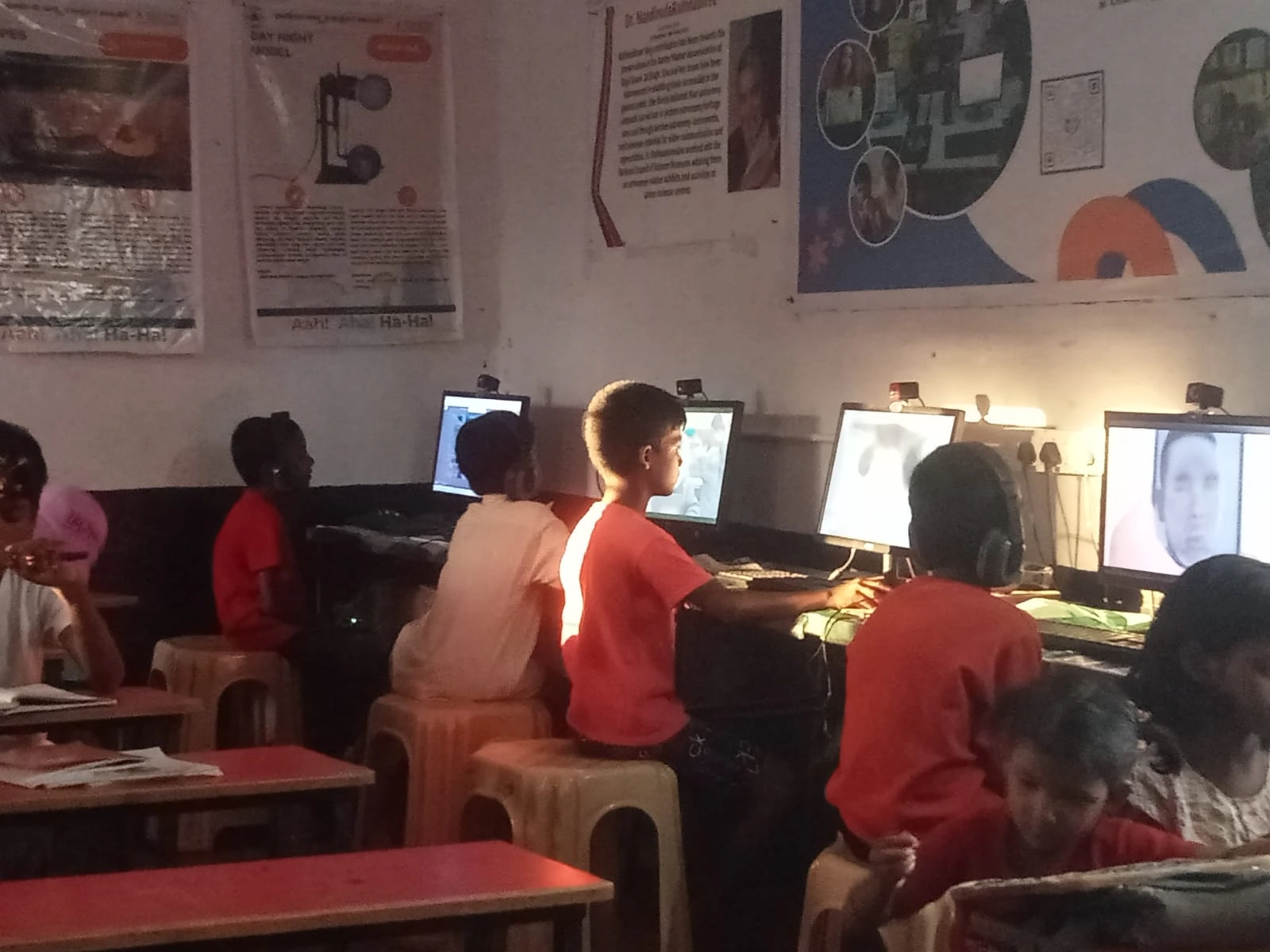
Long-term learning growth isn’t about cramming for exams. It’s about building habits, confidence, and skills that last. A personal computer accelerates this in ways that surprise most parents.
When your child has their own device, they practice consistently. They revisit difficult topics without shame. They experiment with coding, design, and digital tools. This repetition builds real understanding, not temporary memory.
Your child also learns digital literacy alongside their subjects. They understand how to research online, identify reliable sources, and use productivity tools. These skills matter for college and career, no matter what field they choose. The Digital India initiative recognises this, pushing digital access into every community. Your family shouldn’t wait for these changes to reach you. Start now.
Why Apna PC Is Built for Indian Students?
Not every computer works for student learning. Many devices come loaded with distractions, games, and unnecessary software that slow things down. Apna PC is different because it’s designed specifically for your child’s education.
Here’s what makes Apna PC your best choice:
- Pre-loaded with learning tools. Zorin OS keeps things simple and fast. LibreOffice handles all your document needs. Scratch teaches coding basics to beginners.
- Apni Prerna monitoring. You can see your child’s learning progress without invading their privacy. Know which subjects they’re focusing on.
- Affordable at Rs.21,000. Quality doesn’t have to be expensive. This price includes 8GB RAM and 128GB SSD, enough for years of learning.
- Built for Indian families. Apna PC understands bandwidth limitations, power issues, and the need for reliable local support.
When your child becomes your daily learning partner with Apna PC, they’re not just using a computer. They’re building a learning habit that sticks.
Real Skills Your Child Builds With Their Own Device
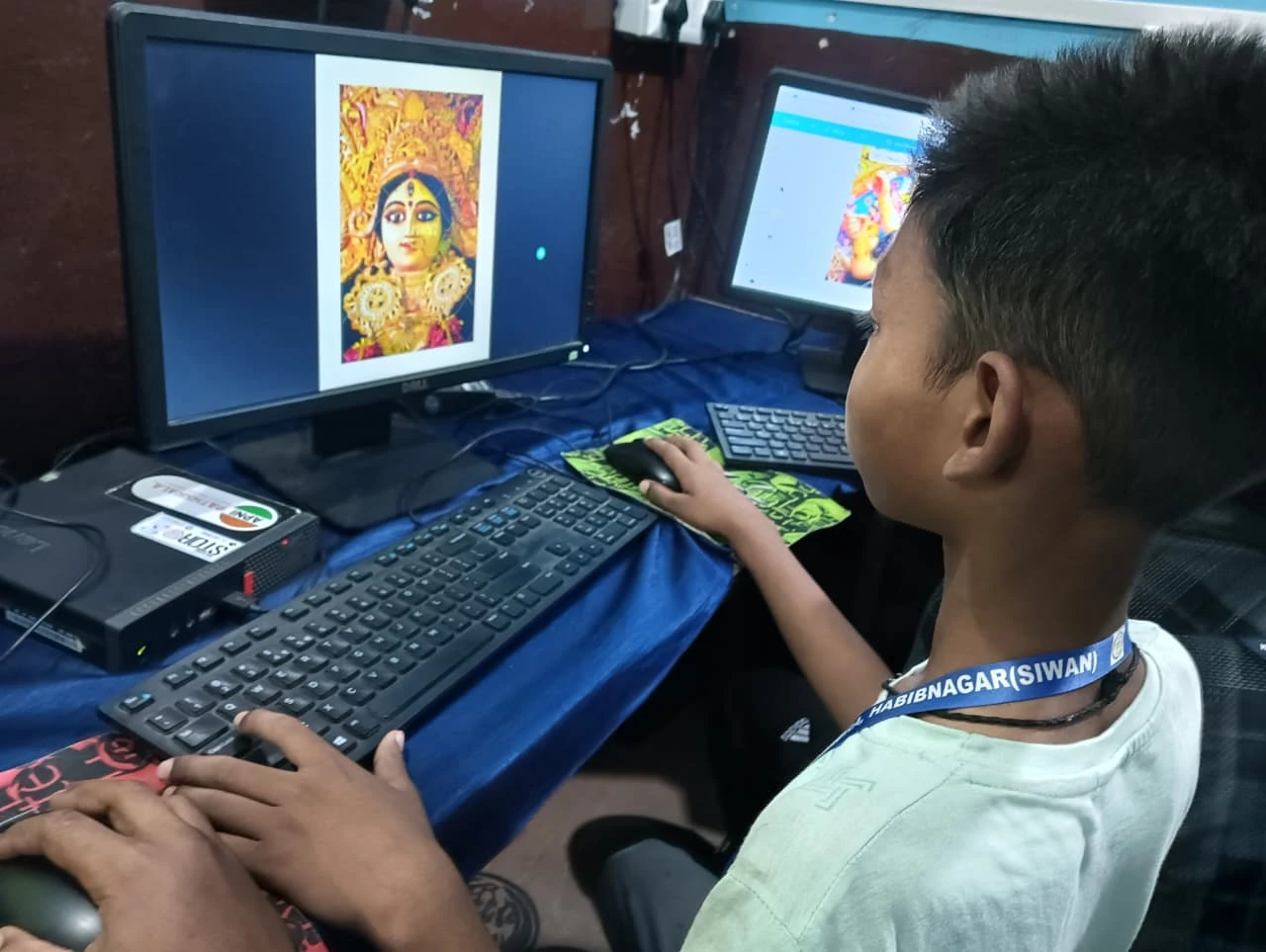
Let’s get specific about what changes when your child has a personal computer. First, they learn time management. They schedule their own study sessions, practice problem-solving independently, and develop discipline without constant supervision.
Second, they discover their learning style. Some kids work better with videos, others with interactive tools. With their own device, they experiment and find what works. This self-awareness shapes their entire academic journey.
Third, they build confidence in technology. Your child who’s nervous about computers becomes the one helping grandparents with their phones. This confidence transfers to every subject and every challenge they face.
A personal computer isn’t just for schoolwork either. Your child learns to create presentations, edit photos, and maybe even code. These aren’t extras. They’re foundation skills for any career path your child chooses.
The Long-Term Investment That Pays Back
Parents often worry about the cost. But think about what you’re really buying. You’re not buying a device that becomes outdated in two years. You’re buying consistent access to learning for the next 5 to 7 years of your child’s education.
Compare this to tuition fees, coaching classes, and private lessons. A good home computer often costs less than two months of coaching, yet it provides 24/7 learning support. Your child doesn’t need a tutor standing over their shoulder when they have the right tools and environment.
The real payoff shows up in grades, yes. But it also shows up in how your child approaches problems, manages their time, and feels comfortable with technology. These habits follow them to college and into their careers.
Getting Started: Your First Step
You don’t need to overthink this decision. Your child needs a reliable student learning device that works today and grows with them. When you’re ready to take this step, know that learning starts with one computer. That computer could be the difference between your child struggling as Ravi did, or thriving as he does now.
Your family deserves access to quality learning tools, no matter where you live. Apna PC makes that possible at a price that makes sense for Indian families. Visit apnapc.com to learn more.