

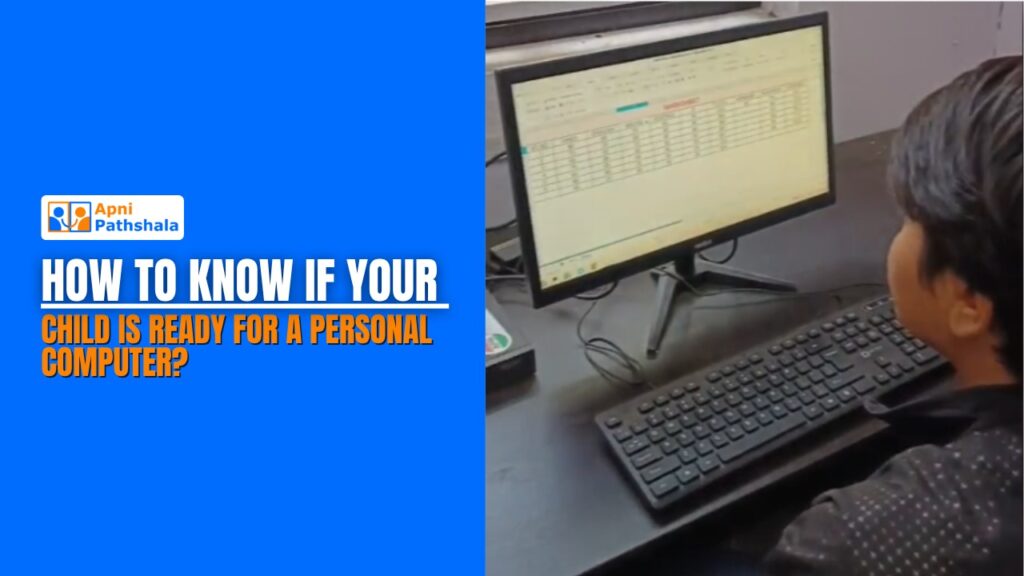
Anita teaches her son Rohan at home in Surat. They follow a flexible learning routine, part NCERT curriculum, part project-based activities, part online resources. Rohan is bright, curious, and learns well on his own terms. But Anita is facing a question more and more families like hers are asking: is it time to give him his own computer? Not for entertainment, but as a real learning tool. For alternative education in India, parents choosing non-traditional learning paths, a personal computer is not just a device. It is the foundation of a child’s entire education setup.
Why Computer Readiness Looks Different for Alternative Learners?
In a traditional school, a child’s computer exposure is managed by teachers, timetables, and a structured curriculum. In an alternative education setting, such as homeschooling, microschools, community learning centres, or hybrid models. the parent takes on that responsibility. This makes choosing the right age for a child to start using a computer in Indian families following alternative paths a more personal and consequential decision.
There is no single right age. But there are clear signals that a child, regardless of their schooling model, is ready to use a personal computer productively. The key difference in alternative education is that the computer often becomes the primary learning hub: the place where lessons happen, research is done, projects are built, and progress is tracked. That raises the stakes and makes the choice of when and what device to introduce even more important.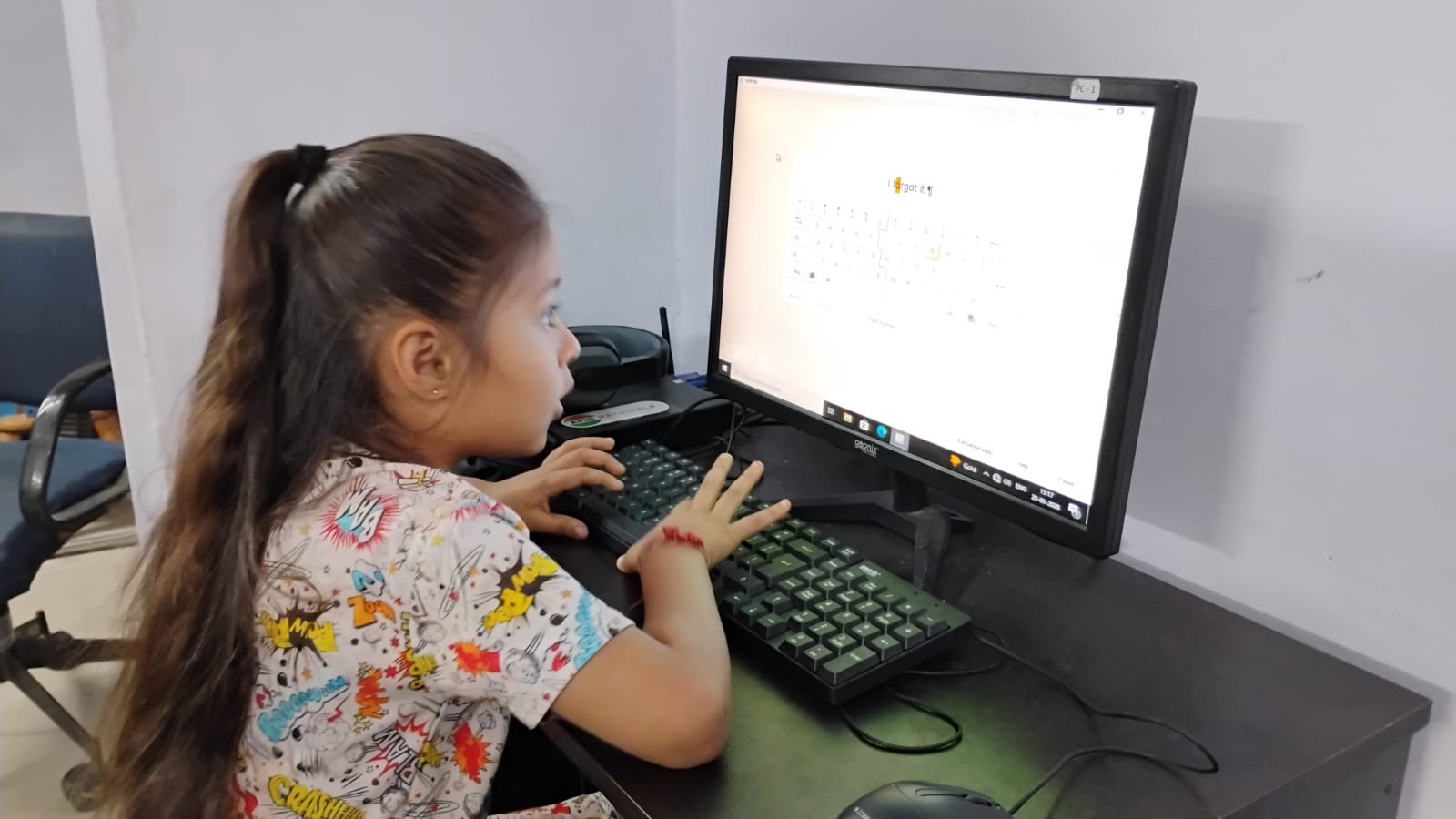
According to India’s Digital India programme, building digital literacy from an early age is a national priority, and this applies equally to children in traditional schools and those following alternative education paths. Every child deserves structured access to technology, regardless of where or how they learn.
Signs Your Child Is Ready for Any Learning Path
Whether your child goes to a regular school or learns at home, these readiness signals apply across the board. Watch for these before introducing a personal computer:
- They have real learning tasks that need a computer: If your child’s curriculum involves typed assignments, research projects, educational platforms, or online assessments. They need a device. Academic necessity is the clearest sign of readiness for kids and computers that Indian parents need to recognise.
- They can follow and respect boundaries: A child ready for their own computer understands that it is a learning tool with rules, not an unlimited entertainment source. If your child can follow household rules consistently, they can follow computer rules too.
- They show independent curiosity: Children in alternative education settings often develop strong self-directed learning habits early. If your child regularly asks questions, wants to look things up, or explores topics on their own, a computer will accelerate that curiosity dramatically.
- They understand basic responsibility: Can they keep their learning materials organised? Do they complete tasks without constant reminders? These habits translate directly to responsible computer use.
- You are ready to guide the first few weeks: The most important factor is parental involvement at the start. Sitting with your child for the first two to four weeks of computer use, setting routines, showing them how to navigate platforms, and discussing what they find online, sets the foundation for years of productive use.
Read how Apna PC supports structured home learning environments on our The Hidden Cost of Not Having a Computer in 2026 page.
Choosing the Right First Computer for an Alternative Learner
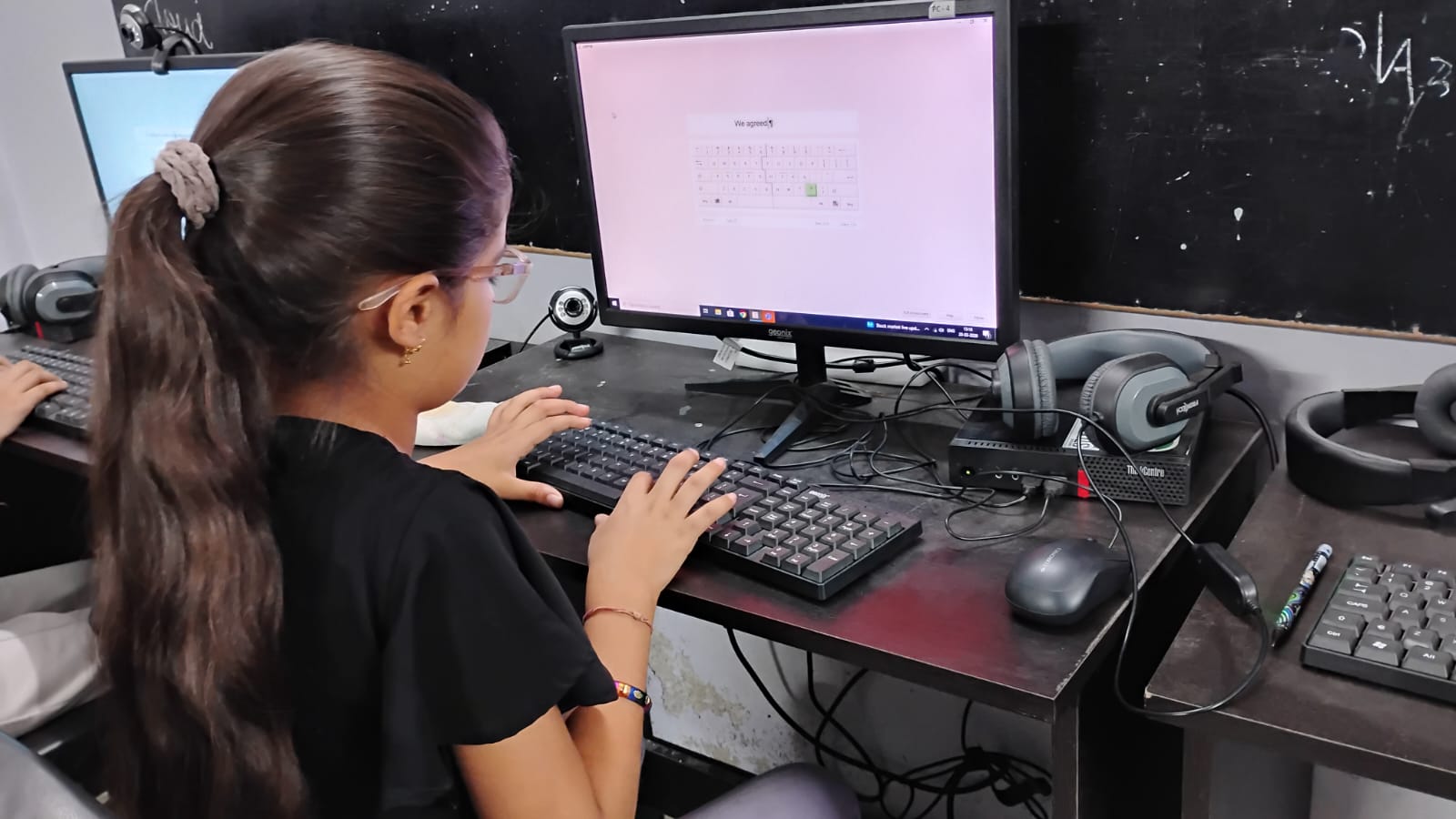
For families following alternative education paths, the first computer that Indian households choose for their child needs to do more than a regular device. It needs to be a complete learning station, preloaded with tools, safe by default, and structured enough to support self-directed study without constant parental intervention.
A regular laptop or a repurposed desktop comes with none of this built in by default. Parents have to manually install educational software, configure parental controls, remove entertainment distractions, and hope the device is reliable enough for daily learning. For a homeschooling or alternative education family, this setup burden is real and often exhausting.
Apna PC solves all of this in one affordable package. At Rs. 21,000 (shipping and GST excluded), it is a purpose-built educational computer that arrives ready to learn, preloaded with curriculum-aligned tools, safe browsing built in, and no entertainment clutter competing for your child’s attention. For alternative education families especially, this is not just convenient. It is transformative.
India’s national education portal recognises multiple learning pathways for children, including home-based and community learning models. As these models grow across the country, the need for affordable, dedicated educational devices that support self-paced, independent learning becomes more urgent than ever.
Your child does not need to be in a traditional classroom to deserve the best learning tools. Whether they learn at home, in a microschool, or through a blended model, giving them a computer built for education is one of the most impactful decisions you will make as a parent. Explore all the ways Apna PC supports students at every stage on our Why Every Indian Student Needs Their Own Computer page.
When the time is right, and the signals are clear, the right computer makes all the difference. Visit apnapc.com to learn more.