

Every morning, thousands of Indian students open a textbook hoping today will finally make things click. They read the same chapter twice, scribble answers, and move on. Then a classmate, same school, same teacher, explains a concept in two minutes using a video they watched at home. That gap isn’t about intelligence. It’s about access to technology in education. And it grows wider every year that passes without the right tools at home.
What Technology in Education Actually Means?
Most parents picture expensive smart boards or private school setups when they hear “technology in education.” That’s not what this term is about. At its core, it simply means using a computer, regularly, at home, to learn, practice, and explore beyond what a single textbook can offer.
A student with a reliable home computer can access free NCERT solutions, watch concept explainer videos, type faster, practice mock tests, and research topics independently. According to UNESCO global education research, students who engage consistently with digital tools develop stronger problem-solving habits and build self-learning confidence earlier in life.
The technology doesn’t need to be expensive. It needs to be present and used every day.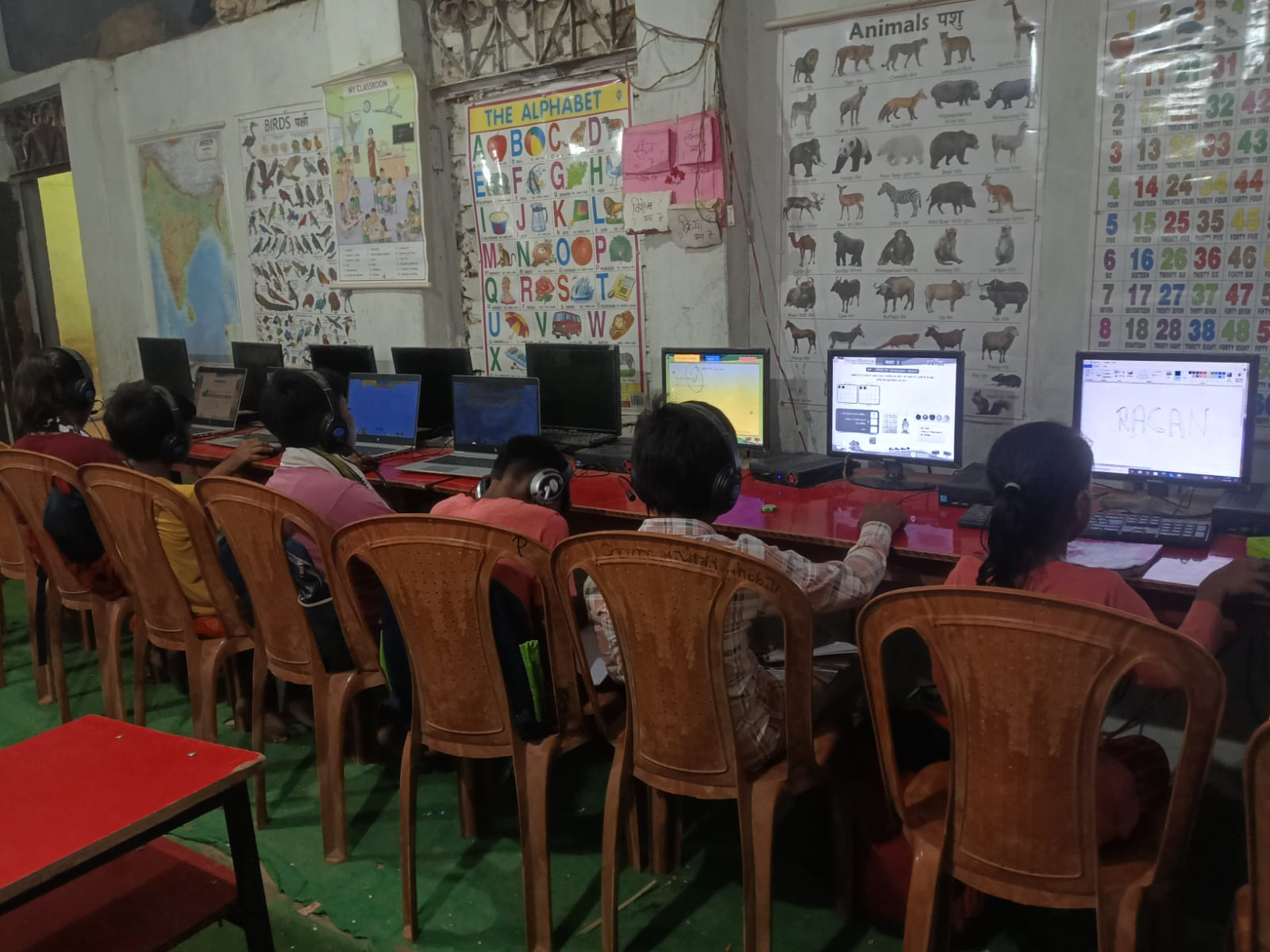
The Real Benefits of Technology in Education
The benefits of technology in education don’t show up in one big moment. They accumulate quietly. A student who practises typing for 15 minutes a day will be significantly faster by the end of the year. A child who watches one explanation video per day will understand concepts more deeply than one who only reads. Small habits, done consistently, create big outcomes.
Here is what regular access to a computer does for a student over time:
- Builds independent learning — They stop waiting for everything to be explained in class and start finding answers on their own.
- Improves exam readiness — Typing notes, solving online mock tests, and revising through digital flashcards speeds up preparation.
- Develops digital fluency early — File management, typing, basic research — these become second nature before Class 10.
- Reduces learning anxiety — Practising at home means less fear of making mistakes in class.
- Opens access to free resources — DIKSHA, India’s national digital learning platform has thousands of free lessons, textbooks, and practice materials in Indian languages, all accessible from one device.
None of this requires a coaching centre or a premium subscription. It requires one device, used regularly.
Why Digital Learning Benefits Compound Over Years?
A textbook teaches a subject for one year. A computer teaches a student how to keep learning for life.
That is the real power of digital learning benefits, they are not one-time gains. A student who learns to type in Class 5 will be faster in Class 8. A child who learns to search for answers at age 10 will research independently by age 16. Each skill builds on the last, quietly, without anyone marking it in a report card.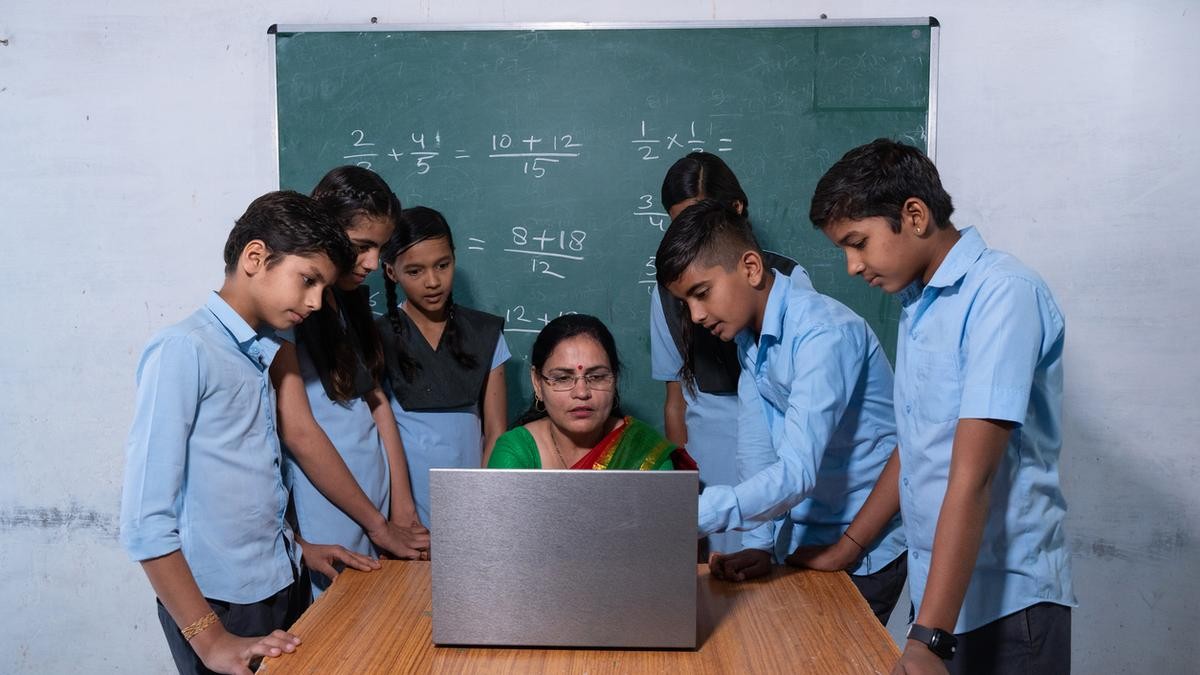
For families in Tier 2 and Tier 3 cities, this compounding matters even more. Most students here don’t have access to premium coaching centres or private tutors. A home computer bridges that gap, not perfectly, but meaningfully. A student with consistent device access at home practices more, prepares better, and enters competitive situations with a confidence that their peers without access simply don’t have yet.
The investment isn’t in hardware. It’s in years of compounded learning opportunities.
How Apna PC Makes This Accessible
Education technology doesn’t have to be out of reach for Indian families. Apna PC is built specifically for students and parents in Tier 2 and Tier 3 cities who want the real benefits of a computer without the price of a premium laptop.
At ₹21,000 (shipping and GST excluded), Apna PC is designed to be used daily. It handles everything a student needs, from typing practice and NCERT revision to online mock tests and free educational platforms. It’s a practical, durable device that does what it promises.
If you’ve been putting off this decision because it felt like a big purchase, think of it differently. It’s a small, one-time investment that creates a learning advantage that compounds for years. Read more about How a Personal Computer Helps Students Learn beyond the classroom and why The Biggest Advantage a Student Can Have Today isn’t about marks; it’s about what they can access and practice every day.
Give your child the device. Give them the years. Visit apnapc.com to learn more.