

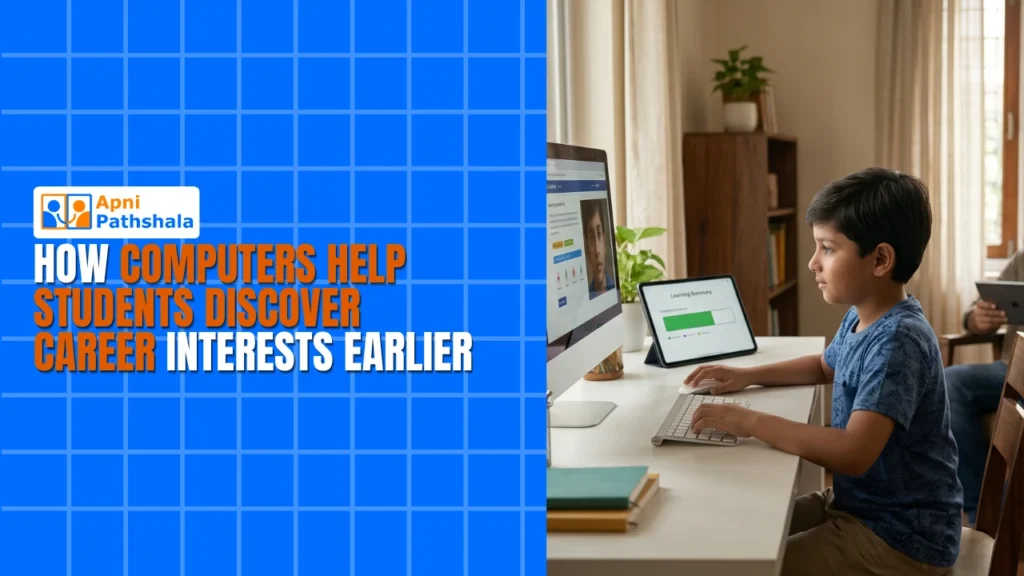
When Riya was in Class 7, she told her parents she wanted to be a doctor. Not because she had ever met a doctor or understood what the job involved. Because every topper in her school said “doctor” when asked about their future. By Class 9, she said “engineer.” By Class 11, she had no idea what she wanted to do.
Riya’s confusion is not unusual. Most Indian students pick career paths based on what they hear from relatives, see in movies, or copy from friends. They never get a chance to explore what actually interests them. By the time they finish college, they realize they spent four years studying something they do not care about.
Career exploration for students should not start in college. It should start much earlier. And a computer is the simplest, most affordable tool to make that happen.
Why Career Guidance for Students Fails in Most Schools?
Most schools in India do not offer real career guidance. They offer a one-hour session in Class 10 where a counselor lists popular careers: doctor, engineer, lawyer, CA, and IAS. The student nods, picks one based on marks, and moves on.
That is not guidance. That is a menu with five items. A student who might be brilliant at graphic design, video editing, data analysis, or app development misses these options because the counselor is unaware of them.
The problem is access. A school in a Tier 2 city cannot bring in professionals from fifty different careers. It cannot take students to tech companies, design studios, or research labs. It cannot show a child what a data scientist does all day. But a computer can.
How a Computer Opens Doors to Career Discovery
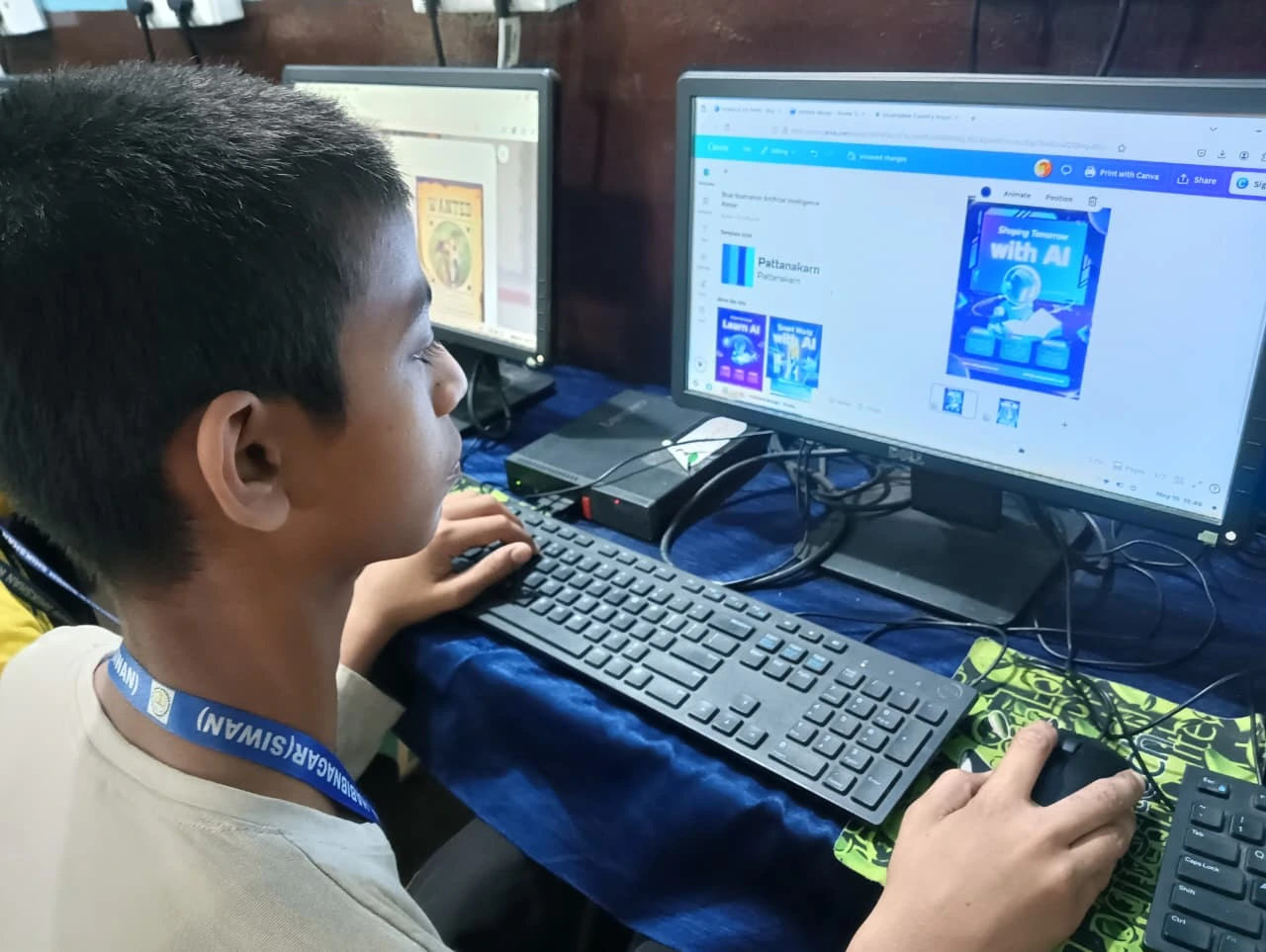
A computer does not just teach computer skills. It gives students access to the entire world of work, all from their bedroom.
A child interested in drawing can open a free design tool and try making logos, posters, or UI mockups. Within a week, they know whether design excites them or bores them. A child curious about coding can write a simple program in Scratch and feel the rush of making something work on screen. A child fascinated by numbers can open a spreadsheet, analyze real data, and discover whether they enjoy finding patterns in information.
None of this requires a career counselor. None of it requires expensive coaching. It requires a computer, an internet connection, and the freedom to explore.
A personal computer helps students learn beyond the school curriculum. And career discovery is the most important thing that happens beyond the curriculum.
Digital Skills for Students Build Career Awareness
When a student learns to type, they are not just learning to type. They are discovering that every office job in the world requires this skill. When a student learns to use a spreadsheet, they are not just organizing data. They are discovering that accountants, analysts, marketers, and project managers all use this tool daily.
When a student learns basic coding, they are not just writing lines of code. They are discovering that software developers, data scientists, product managers, and even journalists use code to do their work. Each digital skill a student learns reveals a career they did not know existed.
The earlier these windows open, the better. A student who discovers at age 13 that they love design has five years to build skills before college. A student who discovers it at 18 has already committed to a different path.
Computer skills are not the end goal. They are the starting point. Each skill a student learns is a door. Behind some doors, they will find careers they love. Behind others, they will discover careers that do not interest them. Both discoveries are valuable. Both save years of confusion.
What Parents Should Do Right Now?
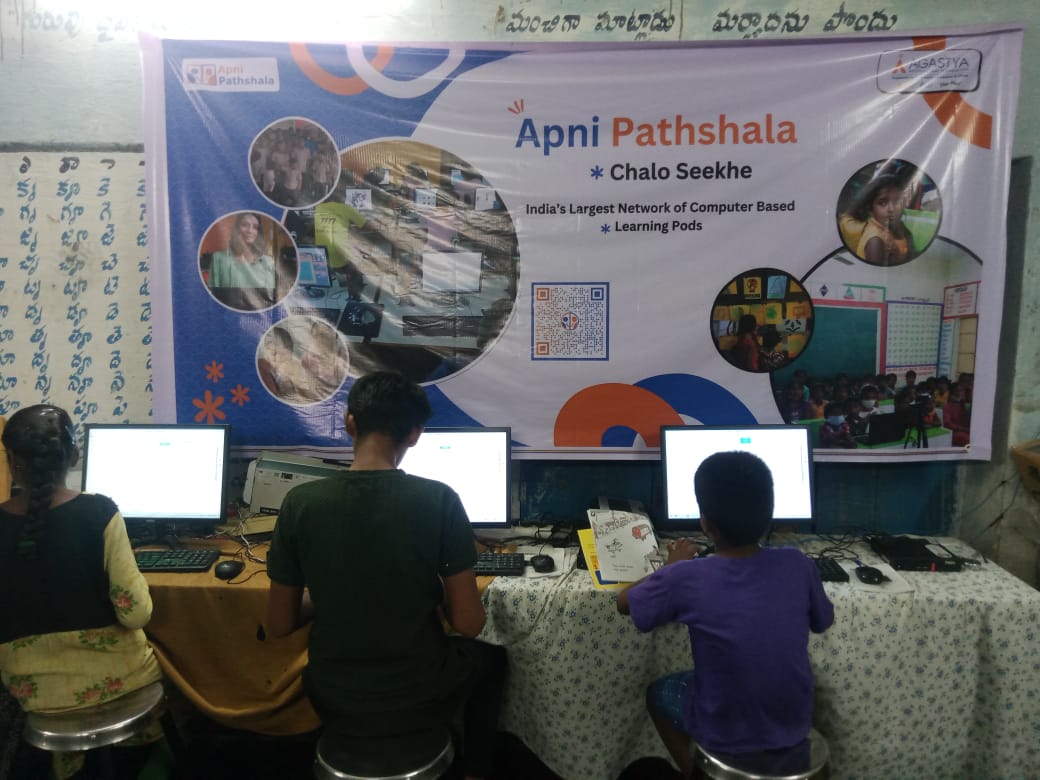
Most parents wait until their child is in Class 11 or 12 before thinking about careers. By then, the child has already narrowed their options based on limited exposure. The time to start is Class 5 or 6, when curiosity is still wide open.
Give your child a computer. Not a phone. A real computer with a keyboard, a mouse, and a screen large enough to work on. Load it with tools: Scratch for coding, LibreOffice for documents and spreadsheets, and a browser for research. Then step back and let them explore.
Do not tell them what to learn. Watch what they gravitate toward. If they spend hours making animations in Scratch, they might be a designer or animator. If they enjoy sorting data in spreadsheets, they might be an analyst. If they keep trying to build small programs, they might be a developer. The computer reveals what a career counselor cannot.
The biggest advantage a student can have today is not marks. It is knowing what they want to do before they finish school. A computer gives every child that advantage.
Apna PC comes pre-loaded with Scratch, LibreOffice, VS Code, Blender, and Arduino IDE. At ₹21,000, it is a complete setup that gives your child the tools to explore, discover, and build. Visit apnapc.com to learn more.