

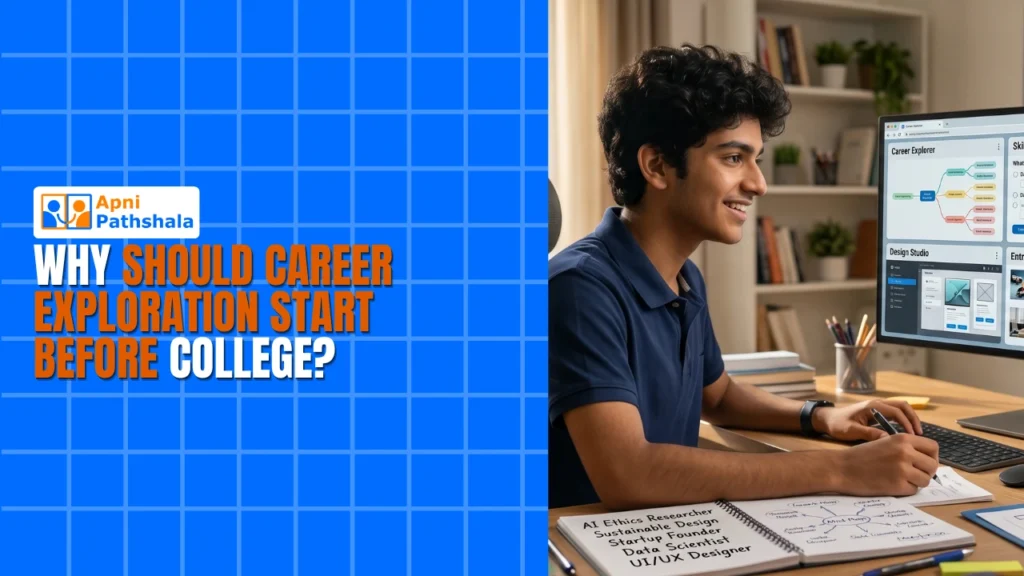
Aman scored 89 percent in his Class 12 boards. His parents were proud. His relatives called to congratulate. Everyone assumed he had a clear plan. He did not. He picked computer science because his friends were picking it. Two years into the course, he realized he hated coding. He loved writing. But nobody ever asked him what he enjoyed.
Aman’s story plays out in lakhs of Indian households every year. Students finish school with good marks and no direction. They pick a college course based on peer pressure, parental expectations, or whatever sounds “safe.” By the time they discover what they actually want to do, they are already behind.
Career planning for students should not begin in Class 12. It should begin much earlier. And the reason is simpler than most people think.
The Problem With Waiting Until College
In India, the conversation about careers happens in Class 11 or 12. A student picks a stream, science, commerce, or arts, based on marks. Then in Class 12, they pick a college course based on entrance exams. By the time they enter college, they have spent zero hours actually exploring what interests them.
This is not the student’s fault. The system does not offer career exploration as a subject. Schools teach math, science, history, and languages. They do not teach students how to figure out what they want to do with their lives.
The result is predictable. Engineering colleges are full of students who do not want to be engineers. MBA programs are full of graduates who do not want to work in business. Medical colleges have students who picked the field because their parents wanted a doctor in the family.
A personal computer helps students learn beyond the school curriculum. And career discovery is the most valuable thing that happens beyond the curriculum.
What Career Exploration Actually Looks Like?
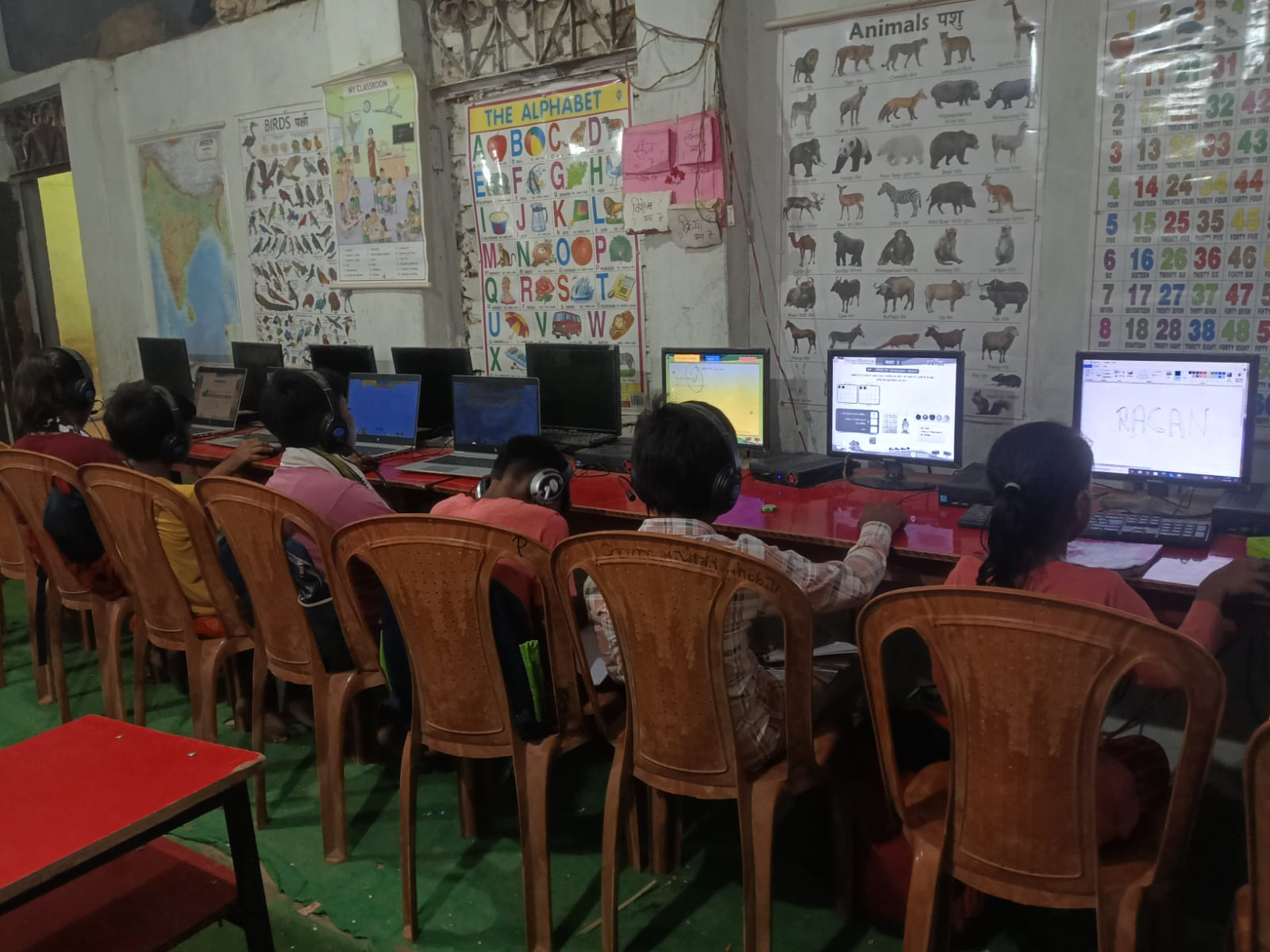
Career exploration is not reading a pamphlet about different professions. It is not attending a one-hour seminar where someone lists job titles. Real career exploration means trying things. Building things. Discovering what feels natural and what feels forced.
A student interested in storytelling can write short stories on a computer, design book covers, or create a simple blog. Within weeks, they know whether writing excites them or bores them. A student curious about business can run a small project, track expenses in a spreadsheet, and learn whether they enjoy managing numbers. A student drawn to technology can build a small app, design a website, or code a simple game.
None of this requires a career counselor. None of it requires expensive workshops. It requires a computer and the freedom to try.
Career guidance for school students works best when it is hands-on. A child who tries graphic design at age 14 and hates it has saved themselves from a career they would have hated at 24. A child who tries coding at 13 and loves it has a five-year head start on peers who discover it in college.
Future Career Skills Start With Early Exposure
The job market of 2030 will look nothing like the job market of 2020. Careers that exist today will evolve. Careers that do not exist yet will emerge. The students who thrive will be the ones who started exploring early.
Future career skills are not about learning one specific tool or technology. They are about learning how to learn. A student who taught themselves Scratch at 12 can teach them Python at 16. A student who designed posters at 13 can learn UI design at 17. The skill is not the tool. The skill is the ability to pick up a new tool and figure it out.
This is what early exposure builds. A student who has been exploring different fields since Class 6 arrives at college with clarity. They know what they like. They know what they are good at. They know what they want to study. They do not waste two years figuring it out like their peers.
The biggest advantage a student can have today is not marks. It is direction. A student with 80 percent and a clear plan will outperform a student with 95 percent and no idea what they want to do.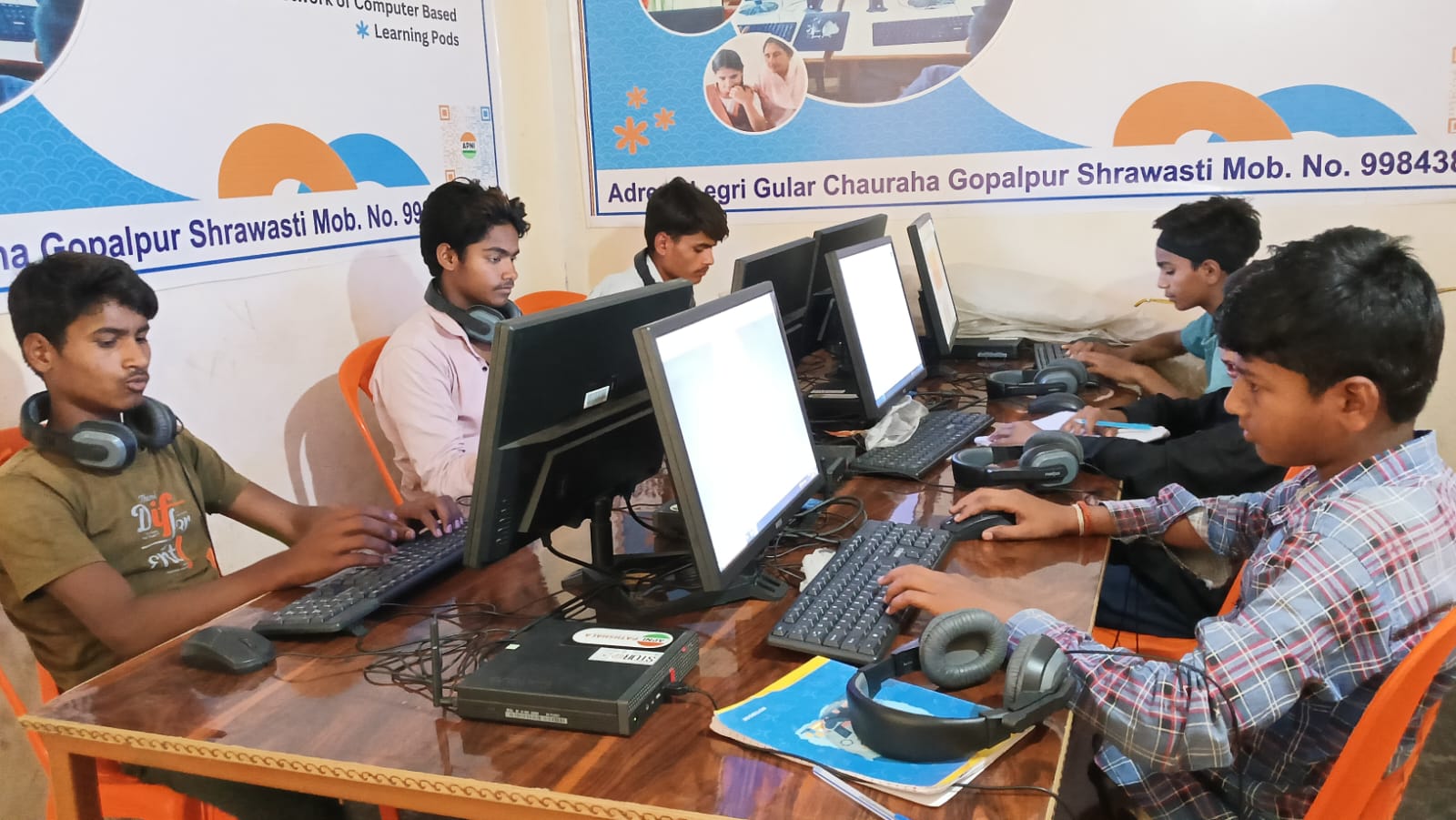
What Parents Can Do Today?
You do not need to hire a career counselor. You do not need to enroll your child in expensive workshops. You need to give them a computer and let them explore.
Start when your child is in Class 5 or 6. Install Scratch for coding, LibreOffice for documents and spreadsheets, and a browser for research. Do not tell them what to learn. Watch what they gravitate toward.
If they spend hours drawing on the screen, they might be a designer. If they keep building small programs, they might be a developer. If they enjoy writing stories or blog posts, they might be a writer or journalist. If they love sorting and analyzing data, they might be an analyst. The computer reveals what a career counselor cannot.
Career planning for students is not about picking the right stream in Class 11. It is about giving a child years of exploration before that decision arrives. When the time comes to pick a stream, the student who has been exploring will choose with confidence. The student who has not explored will choose with confusion.
Apna PC comes pre-loaded with everything a student needs to explore: Scratch, LibreOffice, VS Code, Blender, and the Arduino IDE. At ₹21,000, it is a one-time investment that gives your child years of discovery. Visit apnapc.com to learn more.