

Every year, thousands of students across India enrol in online courses, coaching classes, skill programs, competitive exam prep, and NCERT-based video lessons. They pay the fees. They arrange the internet. But when the first class starts, they’re watching it on a small shared phone screen, struggling to take notes, losing the video halfway through. The one thing missing before the course even began: a proper computer for online classes. Not more content. Not a better syllabus. Just the right device to actually use what they’ve already enrolled for.
What a Proper Online Learning Setup Actually Looks Like?
Students and parents often assume that having internet access means you have everything you need for online learning. That’s not true.
A working online learning setup means having a device large enough to see clearly, fast enough to handle video without buffering, and personal enough that you don’t have to share it mid-lesson. It means having a keyboard for typing notes, a screen big enough to read a PDF alongside a lecture, and a battery that lasts through a two-hour session without panic.
A smartphone might seem like an option, and for short, casual videos, it can work. But for students enrolled in courses running one to two hours a day, a phone becomes a problem fast. The screen strains the eyes. You can’t have a document open while watching a lecture. You can’t type notes in real time while the video is playing. And the moment someone needs to make a call, the study session is over.
A computer solves every one of these problems. It gives students a full workspace, not just a screen to stare at.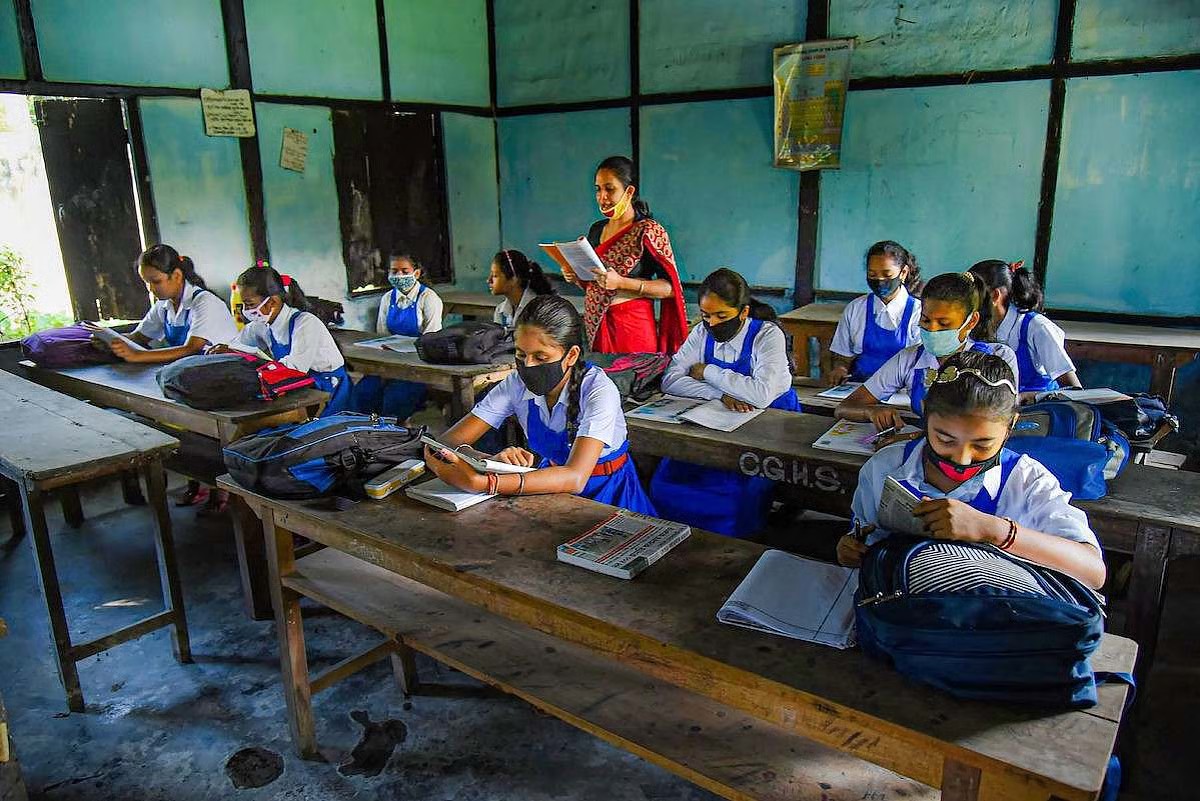
Why a Computer Is the Foundation, Not the Bonus?
Many families think of a computer as something you earn after you’ve already started performing well. The logic seems sensible: “Show us results, then we’ll invest.” But that’s exactly backward.
A computer for students is not a reward for performance. It is the starting point that enables consistent performance. Without it, students are expected to compete in a digital world using tools that weren’t built for serious study.
When a student has their own device at home, the difference is immediate:
-
- They can rewatch a confusing lecture until the concept actually clicks.
-
- They can practice right after learning, while the lesson is still fresh in their mind.
-
- They can submit typed assignments and build real document formatting skills.
-
- They can explore beyond the syllabus, additional videos, articles, and mock tests, without waiting for someone to hand over a phone.
Without a proper device, even the most expensive online course becomes passive watching. Students hear the content but can’t engage with it. They fall behind not because they didn’t try, but because the infrastructure wasn’t in place.
As explained in Why Every Indian Student Needs Their Own Computer, personal ownership isn’t about convenience. It’s about whether real learning can happen at all.
Digital Learning Resources Are Only Half the Answer
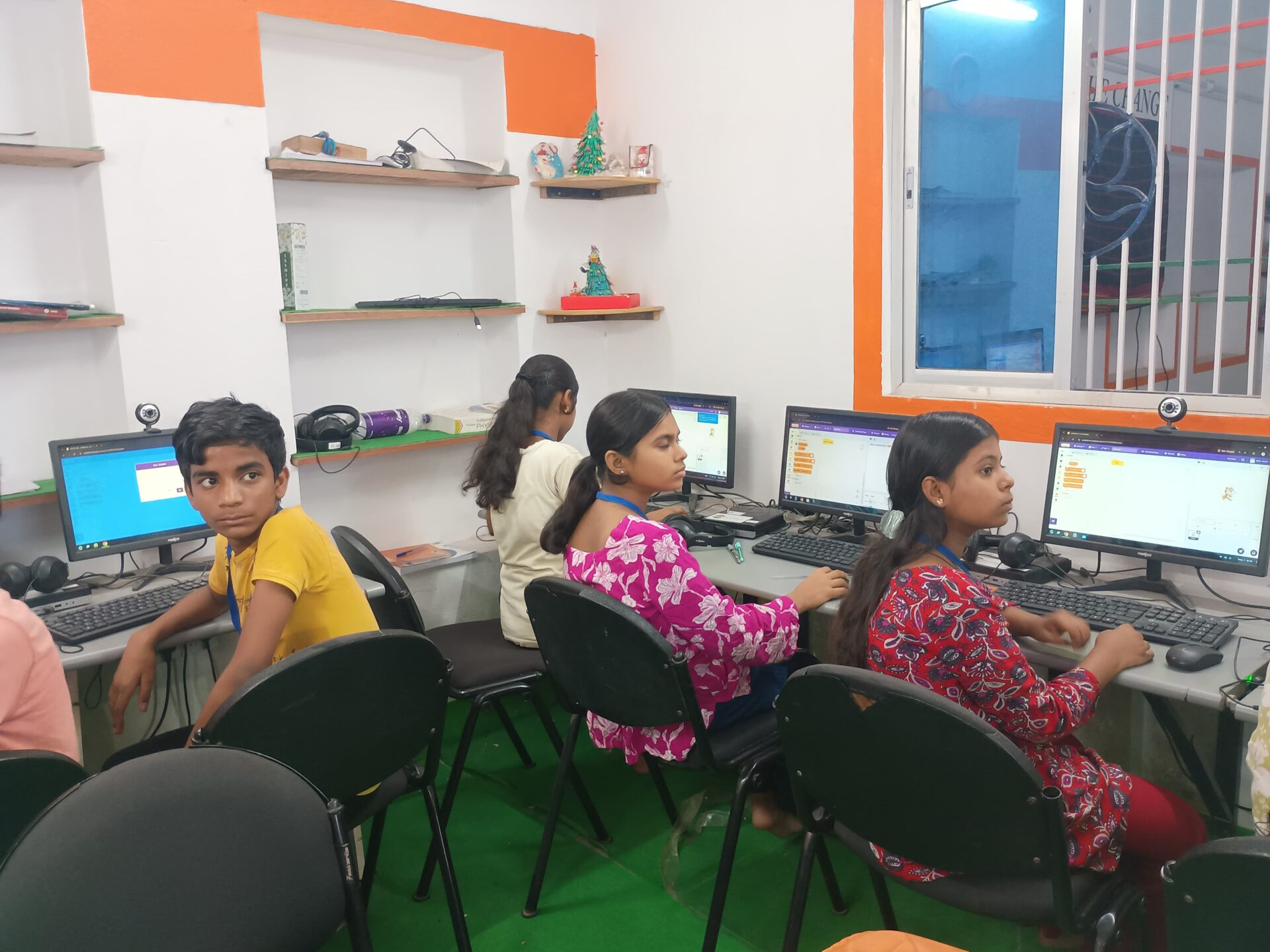
India now has genuinely impressive digital learning resources, many of which are completely free. DIKSHA India’s national digital learning platform provides curriculum-aligned content for every class and board. The Digital India initiative has driven investments to make this content reach students across the country, including in smaller cities and towns.
But here is the honest truth: these resources don’t deliver their full value on a borrowed phone.
A student who opens DIKSHA on a computer can browse chapters, download worksheets, bookmark lessons, and revisit content in a real learning environment. The same student, accessing it on a shared phone for 20 minutes between household interruptions, is just going through the motions.
For families in Tier 2 and Tier 3 cities, where content is now available but personal devices often aren’t, a computer is the final piece that converts access to resources into actual learning. The content already exists. The internet is already there. What’s missing is the device to bring it all together.
How Apna PC Makes This Possible?
Apna PC was built for exactly this gap. It is an affordable educational computer designed for Indian students, capable of handling all major learning platforms, built to last, and priced so families in smaller cities can actually consider it.
At ₹21,000 (shipping and GST excluded), Apna PC gives a student everything they need: a real computer, a personal workspace, and the ability to access every online course, government platform, and digital tool without depending on anyone else’s device or schedule.
How a Personal Computer Helps Students Learn shows how the impact of having a personal device extends well beyond online courses, into habits, confidence, and long-term academic growth.
Your child’s online course is already waiting. The one thing that makes it actually work is a proper computer. Visit apnapc.com to learn more.