

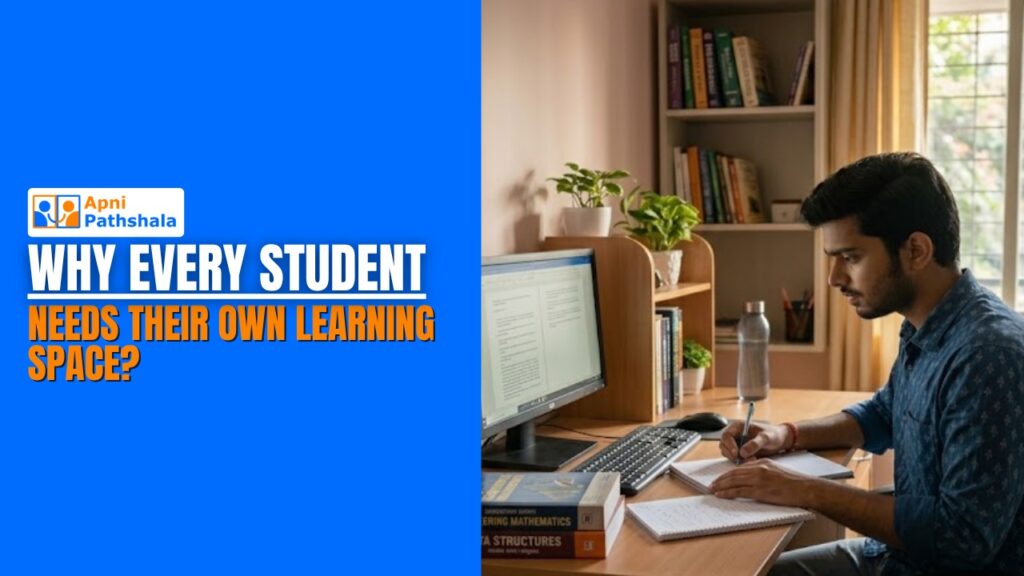
Walk into any home in India where a student is struggling with studies, and you’ll usually find the same thing: a shared table, a noisy room, and no real space to call their own. A student learning space isn’t a luxury. It’s one of the most practical things a family can give a child who’s serious about school.
What the Importance of a Personal Study Space Actually Means?
A personal study space isn’t about having a fancy desk or expensive furniture. It’s about having a corner of the world where the brain knows, this is where we work.
That signal matters more than most parents realise. When a student always studies at the dining table where food is served, conversations happen, and the TV plays in the background, the brain never fully switches into learning mode. The environment sends mixed signals, and focus suffers as a result.
Research from UNICEF India’s education reports consistently highlights that the home environment plays a significant role in learning outcomes, especially for primary and secondary school students. A quiet, consistent space dedicated to studying reduces cognitive load and helps students retain more of what they study.
The importance of a personal study space goes beyond comfort. It’s about giving the mind a reliable anchor. Over time, simply sitting at that desk starts to activate focus, the way the smell of a kitchen triggers hunger before any food is served.
How to Create a Study Environment at Home Even in Small Spaces 
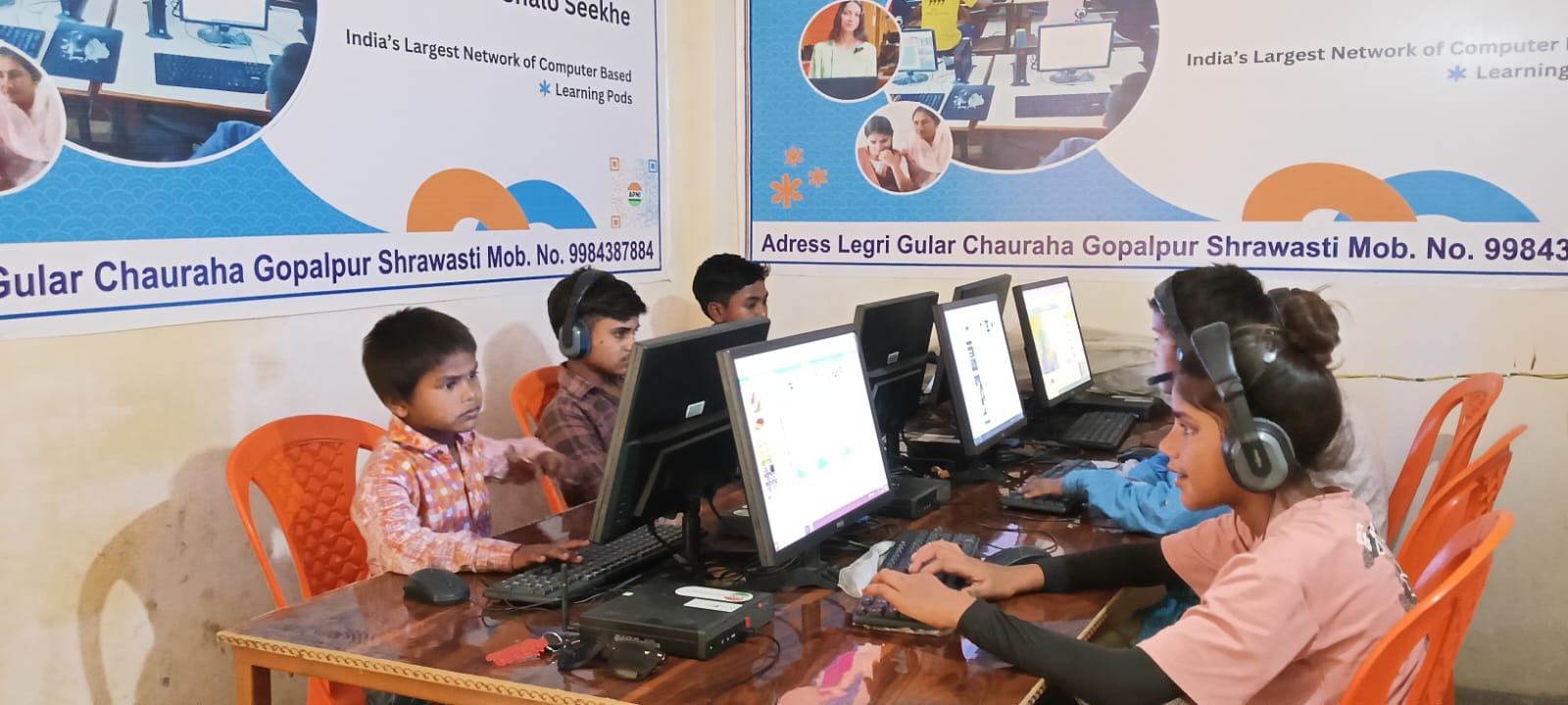
Many families hesitate because they assume a proper study space requires a separate room. It doesn’t. Even in a 1 or 2 BHK flat, you can create a workable learning environment with a few smart choices.
Here’s what actually works:
- Pick one fixed spot – even a corner of the bedroom or a small table near a window. Consistency matters more than size.
- Control the light – natural light during the day, and a proper study lamp at night. Dim or harsh light causes eye strain and kills focus within an hour.
- Reduce clutter – a messy desk competes for attention. Keep only what’s needed for studying on the surface.
- Manage noise – if a quiet space isn’t possible, a simple pair of earphones playing soft background sounds can help block distractions.
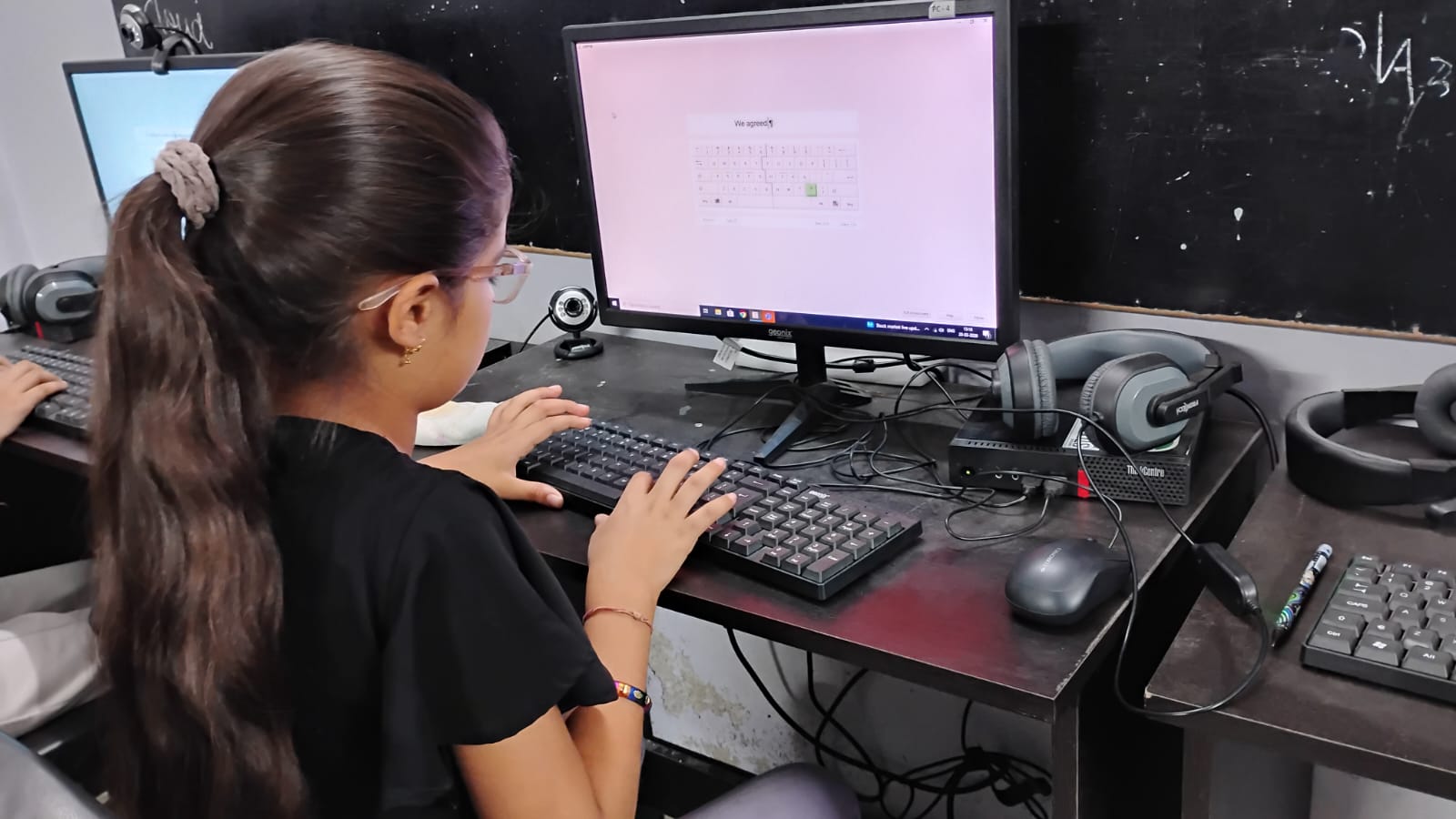
- Add a computer – a dedicated device transforms the space from a reading corner into a real learning environment. Students can access textbooks, watch concept videos, practise problems, and research projects without waiting for someone else to finish using a shared phone.
Why Every Indian Student Needs Their Own Computer is a question more families are beginning to ask, and the answer usually starts with the learning environment at home.
Knowing how to create a study environment at home doesn’t require spending a lot. It requires intention. Small, deliberate changes to the physical space can have an outsized effect on how much a student actually learns each day.
The Real Benefits of a Dedicated Learning Space for Students
Once a student has a consistent place to study, the changes are gradual, but they’re real.
Better focus. The brain adapts to routines. A student who always studies in the same spot will find it easier to get into focus mode faster over time. What used to take 20 minutes of distracted settling-in starts happening in under 5.
Stronger habits. Study schedules stick better when there’s a physical space that reinforces them. The desk becomes the cue. Sitting down becomes the trigger. Work begins.
More independence. When students have their own space, especially one with a personal computer, they stop relying on others for every step. They look things up themselves, revise on their own, and build confidence through self-directed learning.
Higher retention. Studies cited by UNESCO’s global education research show that a distraction-free, well-organised study environment measurably improves how much students retain from study sessions.
The benefits of a dedicated learning space for students are compounded. A good space leads to better habits, which leads to stronger results, which leads to more confidence. It starts a cycle that parents and students both feel within weeks.
You can read more about how the right tools make a difference in How a Personal Computer Helps Students Learn beyond what the classroom alone can offer.
Bringing It All Together for Indian Families
Creating a real student learning space doesn’t need to wait for a bigger house or a higher income. It starts with a decision that this student deserves a space where their work is taken seriously.
A dedicated corner, good lighting, and a computer that belongs to them. That’s the foundation. For families looking for an affordable starting point, Apna PC is available at just ₹21,000 (shipping and GST excluded), a purpose-built educational computer designed for Indian students who are ready to take their learning seriously.
If your child is ready to work harder, give them a space that matches that energy. Visit apnapc.com to learn more.