

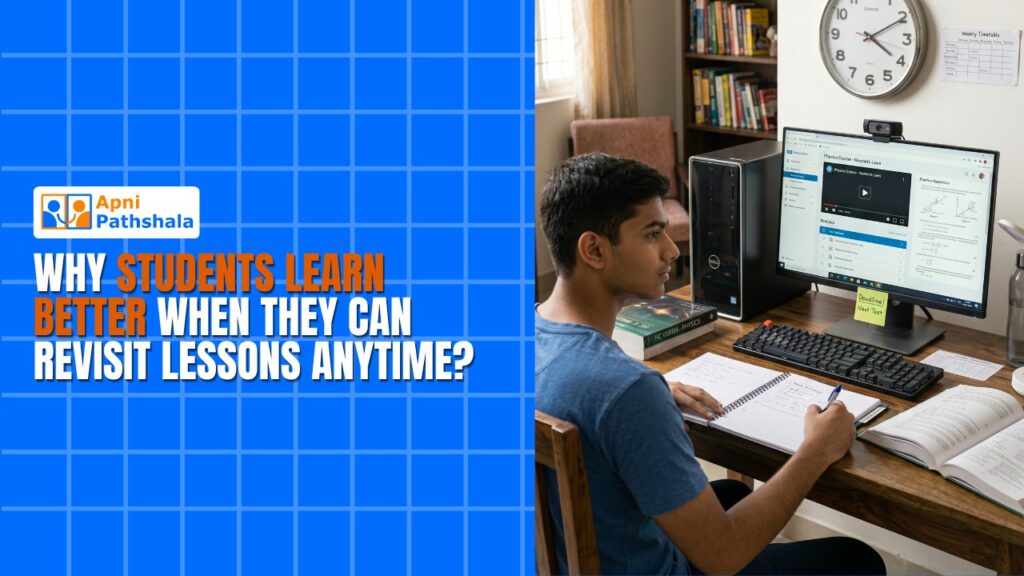
Most students won’t say it out loud, but they rarely understand a new concept the first time they hear it. A teacher explains something, the class moves on, and the student nods along, hoping it will make sense later. This is exactly why recorded online classes have quietly become one of the most valuable tools in a student’s learning life. When a lesson can be paused, rewound, and watched again, learning stops being a one-shot event and becomes something a student can actually control.
The Problem With Watching a Lesson Only Once
In a traditional classroom, a concept is explained once. If you miss it, because you were distracted, tired, or simply didn’t follow the first explanation, there is no replay button. You can raise your hand and ask again, but in a class of thirty to forty students, that’s rarely practical. Most students write down what they can, fill the gaps with guesswork, and move on.
This is one of the most overlooked barriers in self-paced learning. Students don’t fall behind because they lack ability. They fall behind because understanding, at its core, is built through repetition, and the traditional classroom doesn’t allow for it.
NCERT (National Council of Educational Research and Training) has consistently emphasised that students learn better when they engage with material more than once, through reading, hearing, and revisiting. A single lecture, no matter how well delivered, rarely achieves that on its own. Recorded lessons make that layered learning possible.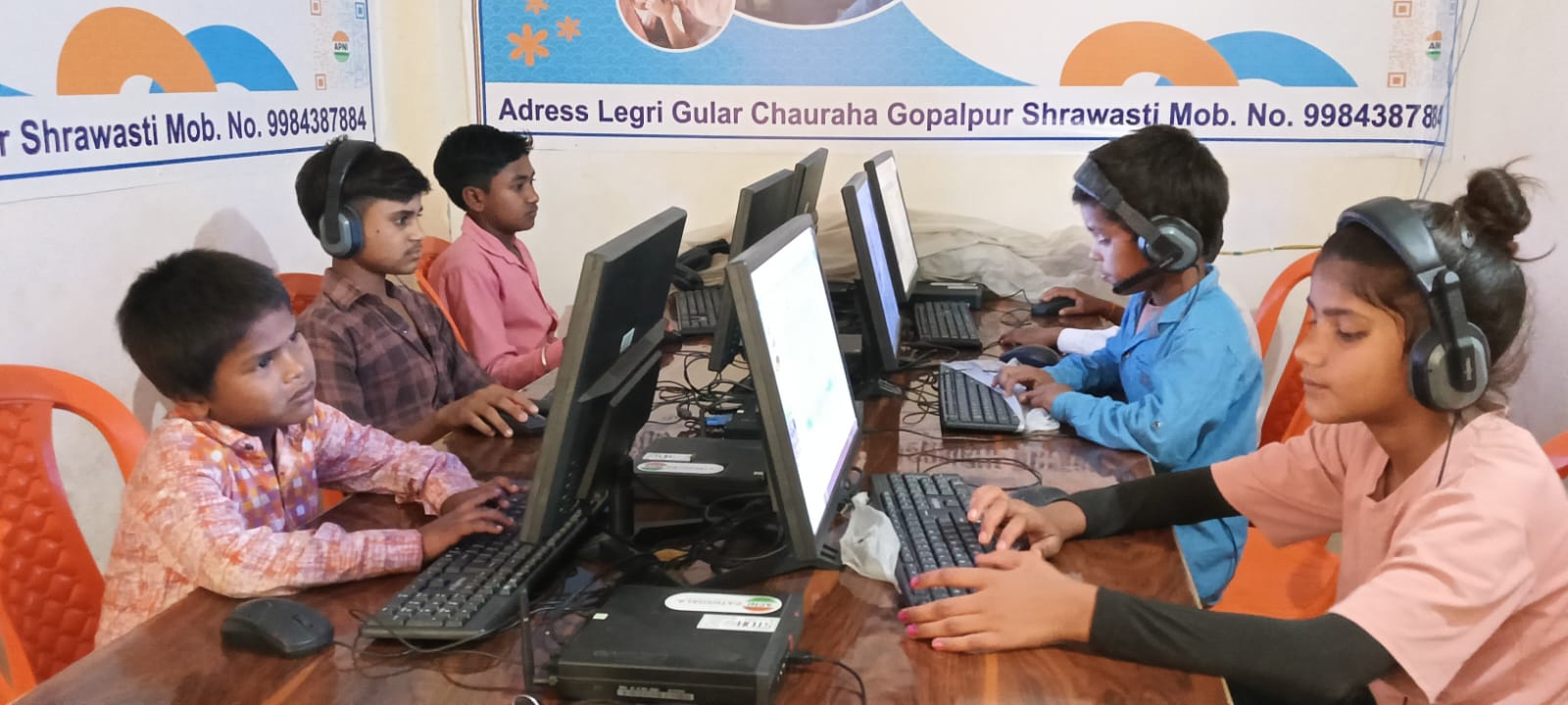
How Revisiting Lessons Changes the Way Students Learn
When students have access to recorded classes, something real shifts in how they approach their studies. They stop being passive receivers of information and become active learners who direct their own understanding.
Online learning for students works best when it gives them control over pace. In practice, that means:
- Pausing when something is unclear, rather than letting the confusion build.
- Rewinding to the exact point where the concept was introduced
- Watching the same explanation two or three times until it properly clicks
- Revisiting the previous day’s lesson before starting a new one, so knowledge compounds instead of crumbles
This isn’t just convenience. It changes how students relate to difficulty itself. Instead of feeling stuck and quietly giving up, they learn a different response: pause, go back, try again. That habit, revisiting instead of skipping, is one of the most powerful academic skills a student can build.
The Central Board of Secondary Education (CBSE) curriculum is designed on the principle that learning is layered; each class builds directly on what came before. Recorded lessons support exactly this structure. They let students return to any point in their learning and strengthen the foundation before moving forward.
The Real Advantage of Flexible Learning
The flexible learning benefits of recorded classes extend well beyond the content itself. They reshape when and how students can learn, and that matters enormously in real Indian households.
A student attending a live coaching class at 7 PM may come home mentally tired. Sitting down to absorb new concepts in that state is hard. But with recorded lessons, she can rewatch that session the next morning, when her mind is actually fresh, and understand it properly this time.
A student preparing for board exams doesn’t have to redo his entire notes cycle. He can go straight back to the recorded sessions for his weakest topics, skipping what he already understands. His revision becomes focused instead of scattered across hours of material he doesn’t need.
For families where schedules are unpredictable, where electricity cuts, household responsibilities, or illness can disrupt a fixed study routine, flexibility removes a quiet but heavy pressure. A missed live class is no longer a lost lesson. It can always be revisited.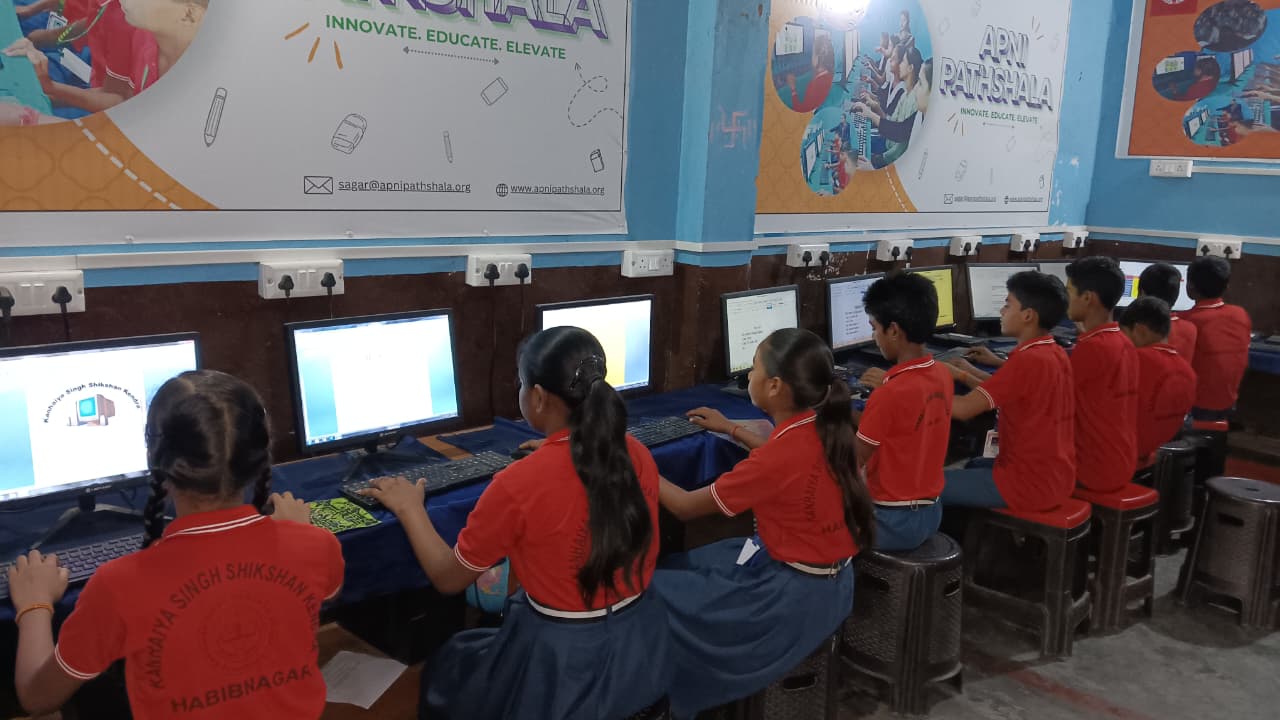
Why the Right Device Makes All of This Possible?
Access to recorded lessons is only useful when a student has a proper device to watch them on. A shared phone with limited storage, constant interruptions, and a screen too small for extended viewing defeats the purpose.
A personal computer changes this entirely. Students can watch full-length recorded sessions without rushing. They can open a notebook alongside the video and take notes in real time. They can manage downloaded content across subjects without running out of space. And because the device is theirs alone, they can revisit a lesson at 6 AM or 10 PM, whenever learning actually happens for them.
Apna PC is built for exactly this use case. At ₹21,000 (shipping and GST excluded), it provides Indian students with a reliable personal computer designed to run all major learning platforms smoothly, reliably, and without interruption.
As explored in The Hidden Cost of Not Having a Computer in 2026, the gap between students with and without a personal device only widens over time. And The Biggest Advantage a Student Can Have Today isn’t marks, it’s the ability to keep learning independently, at their own pace, on their own schedule.
Give your child the ability to pause, go back, and truly understand. Visit apnapc.com to learn more.