

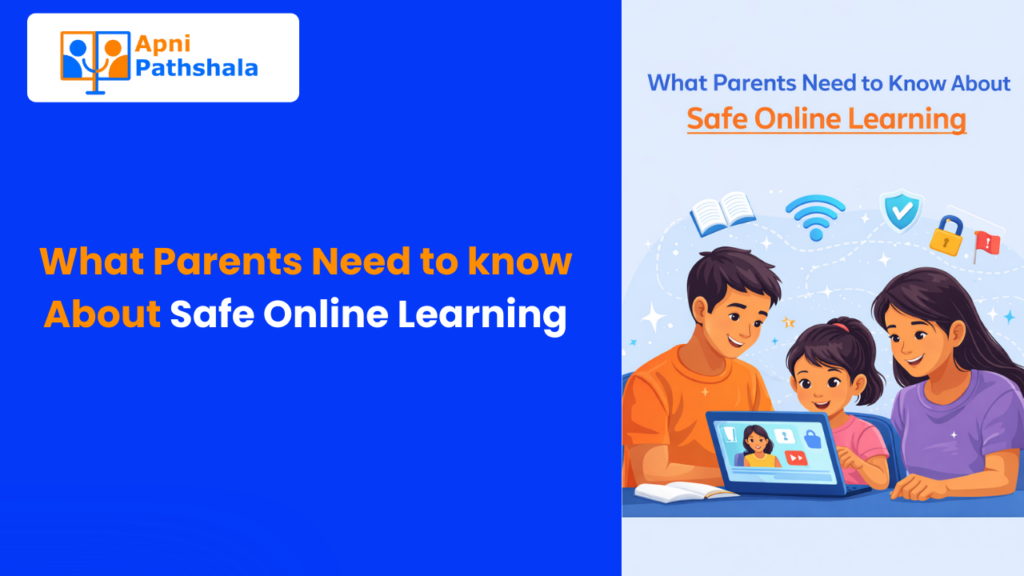
Online learning has become an important part of children’s education. From virtual classrooms and educational apps to homework portals and video lessons, digital platforms offer flexibility and access like never before. However, with these benefits also come concerns about safety, privacy, and healthy usage. Understanding how to ensure safe online learning is essential for every parent.
Why Online Safety Matters in Learning
Children spend significant time online for educational purposes, often without fully understanding the risks of the digital world. These risks can include exposure to inappropriate content, online distractions, cyberbullying, and misuse of personal information.
A safe online learning environment helps children focus, stay confident, and develop positive digital habits. When safety is prioritised, technology becomes a powerful learning tool rather than a source of stress.
Choosing the Right Learning Platforms

Not all online platforms are designed with child safety in mind. Parents should choose learning tools that are age-appropriate, secure, and education-focused.
Safe platforms usually offer:
-
- Controlled and ad-free environments
-
- Secure login and data protection
-
- Clear educational goals
-
- Limited access to external links
Using trusted platforms reduces unnecessary risks and distractions.
Protecting Children’s Privacy Online
Privacy is one of the most important aspects of safe online learning. Children may unknowingly share personal information if they are not guided properly.
Parents should teach children:
-
- Not to share personal details like addresses or passwords
-
- To use strong and unique passwords
-
- To understand that not everything online is safe or private
At the same time, parents should review privacy settings on learning platforms and devices regularly.
Setting Healthy Screen-Time Boundaries
Even educational screen time needs balance. Long hours without breaks can affect a child’s physical health, attention span, and emotional well-being.
Healthy habits include:
-
- Fixed schedules for online learning
-
- Regular breaks for movement and rest
-
- Screen-free time during meals and before sleep
Clear routines help children stay focused and avoid screen fatigue.
Monitoring Without Over-Controlling
Children need guidance, not constant surveillance. Parents should stay aware of what their children are learning online while also giving them space to grow independently.
Open conversations help parents:
-
- Understand their child’s online experiences
-
- Address concerns early
-
- Build trust and confidence
When children feel supported, they are more likely to speak up if something feels wrong.
Teaching Digital Responsibility Early


Safe online learning is also about teaching responsibility. Children should learn how to behave respectfully online, follow rules, and use technology purposefully.
This includes:
-
- Understanding respectful communication
-
- Knowing how to report inappropriate behaviour
-
- Using digital tools mainly for learning
These lessons prepare children for lifelong digital awareness.
Role of Parents in Online Learning Safety
Parents play a key role in shaping how children interact with technology. Being involved, staying informed, and modelling healthy digital habits makes a big difference.
Instead of fearing online learning, parents can guide children to use it safely and effectively.
Creating a Safe and Supportive Learning Environment
A safe online learning environment is built on trust, communication, and structure. When children feel secure, they are more confident, engaged, and motivated to learn.
Safety allows learning to flourish without fear or distraction.
Conclusion
Safe online learning is a shared responsibility between parents, educators, and learning platforms. By choosing the right tools, protecting privacy, setting boundaries, and encouraging open communication, parents can ensure that online education remains positive and productive.
When guided correctly, online learning can be safe, empowering, and truly beneficial for every child.