

In today’s digital-first world, screen time has become one of the biggest concerns for parents. From smartphones and tablets to online classes and games, children are spending more time in front of screens than ever before. While parents often focus on reducing screen time, many are missing a more important question:
Is your child’s screen time helping them build real-life skills or just consuming time?
The real discussion should not be screen time vs no screen time, but screen time vs skill time.
Understanding the Difference Between Screen Time and Skill Time
Not all screen time is harmful, and not all offline time is productive.
-
- Passive Screen Time:
Watching random videos, endless scrolling, or playing repetitive games with no clear learning outcome.
- Passive Screen Time:
-
- Skill-Based Screen Time:
Learning English, improving communication, building logic, creativity, and problem-solving skills through structured digital tools.
- Skill-Based Screen Time:
When screens are used with purpose, they become powerful learning tools rather than distractions.
What Most Parents Are Getting Wrong
1. Treating All Screens as the Enemy
Screens themselves are not the problem; unplanned usage is. Completely banning screens may reduce exposure, but it also limits opportunities for children to develop digital literacy and independent learning skills.
Instead of asking, “How many hours is my child on a screen?” parents should ask,
“What is my child learning from the screen?”
2. Focusing on Marks Instead of Skills
Many parents still measure progress only through exam scores. However, the real world values:
-
- Communication skills
-
- Critical thinking
-
- Adaptability
-
- Confidence
Skill time helps children develop these abilities far better than rote memorisation
3. Removing Screen Time Without Replacing It
Taking away screens without offering meaningful alternatives often leads to boredom, frustration, or loss of motivation.
Skill time should be intentional, such as:
-
- Reading and writing practice
-
- English speaking and comprehension
-
- Guided digital learning
-
- Creative problem-solving activities
The goal is not restriction it is direction.
How We Are Turning Screen Time into Skill Time
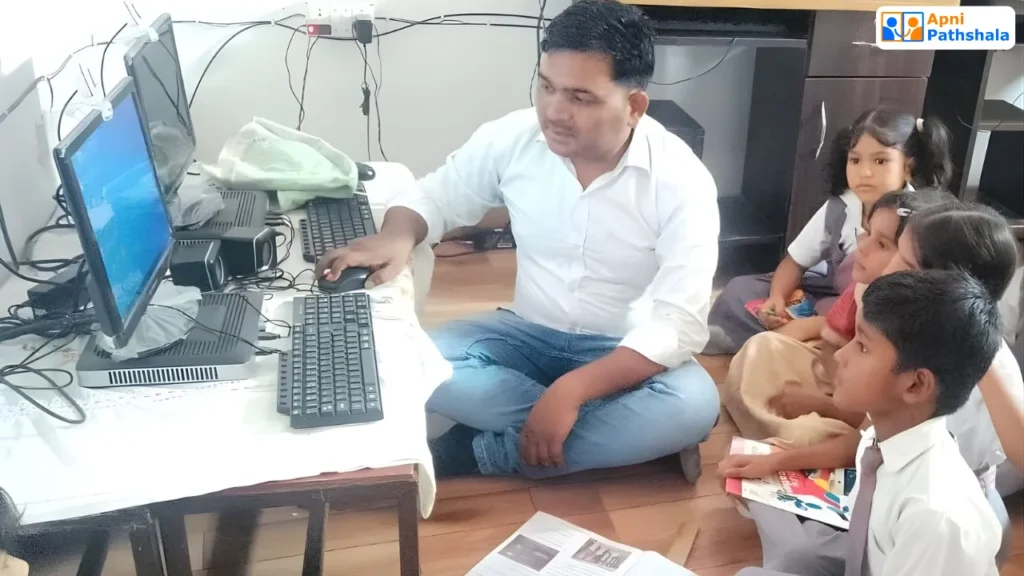
To support meaningful learning, we have launched our own dedicated PC system designed specifically for education.
This PC is not for gaming or entertainment. It has been created with one clear purpose:
to help children study, practice skills, and learn English in a focused and structured way.
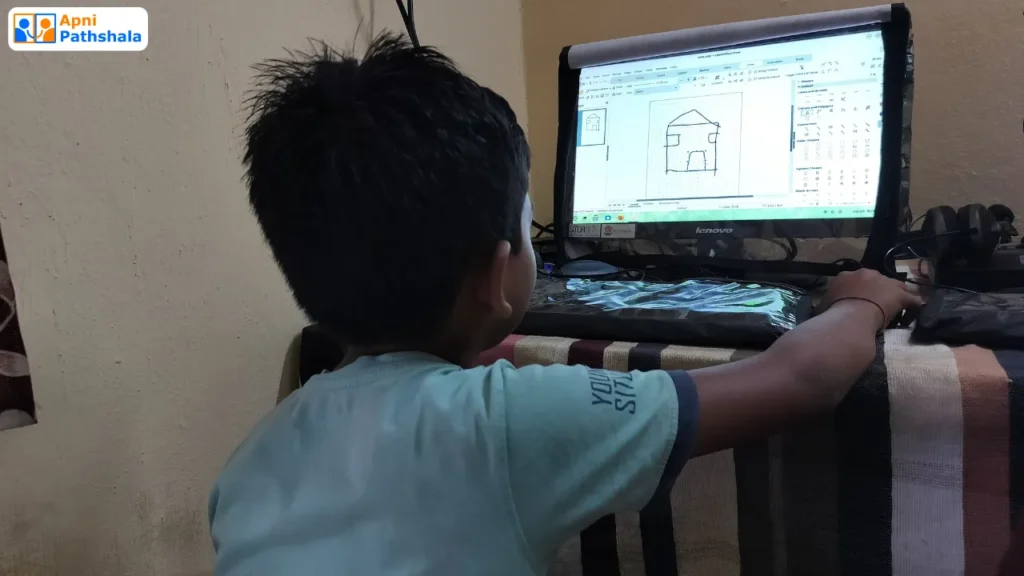
Through this system, children can:
-
- Improve English reading, writing, and communication skills
-
- Learn using tools that promote understanding, not memorisation
-
- Develop digital confidence in a guided environment
-
- Stay focused on learning without unnecessary distractions
By providing a purpose-driven digital setup, we ensure that screen time becomes productive skill time, giving parents peace of mind and children real growth.
Why Skill Time Matters More Than Ever
The world your child is preparing for is changing rapidly. According to global education research, future-ready skills include communication, creativity, and critical thinking.
The World Economic Forum highlights these skills as essential for future careers:
Marks may open doors, but skills help children stay inside and succeed.
Final Thoughts
The real issue is not how much screen time your child has it is how that time is used.
When screens are guided and purposeful, they transform into tools for learning, growth, and confidence. By focusing on skill time over screen fear, parents can prepare their children not just for exams, but for life.
The future belongs to skilled learners not just high scorers.