

In today’s digital age, children are surrounded by technology from a very young age. While digital tools are often seen as distractions, when used thoughtfully, they can become powerful instruments for developing critical thinking skills. Critical thinking helps children analyze information, solve problems, make decisions, and think independently skills that are essential for both education and real-life challenges.
What Is Critical Thinking and Why It Matters
Critical thinking is the ability to question, analyze, and evaluate information rather than accepting it at face value. For kids, this means learning how to think, not just what to think.
Strong critical thinking skills help children:
-
- Solve problems logically
-
- Ask meaningful questions
-
- Understand cause-and-effect relationships
-
- Make informed decisions
-
- Learn independently
Digital tools, when designed and used correctly, can actively support this process.
Interactive Learning Encourages Thinking
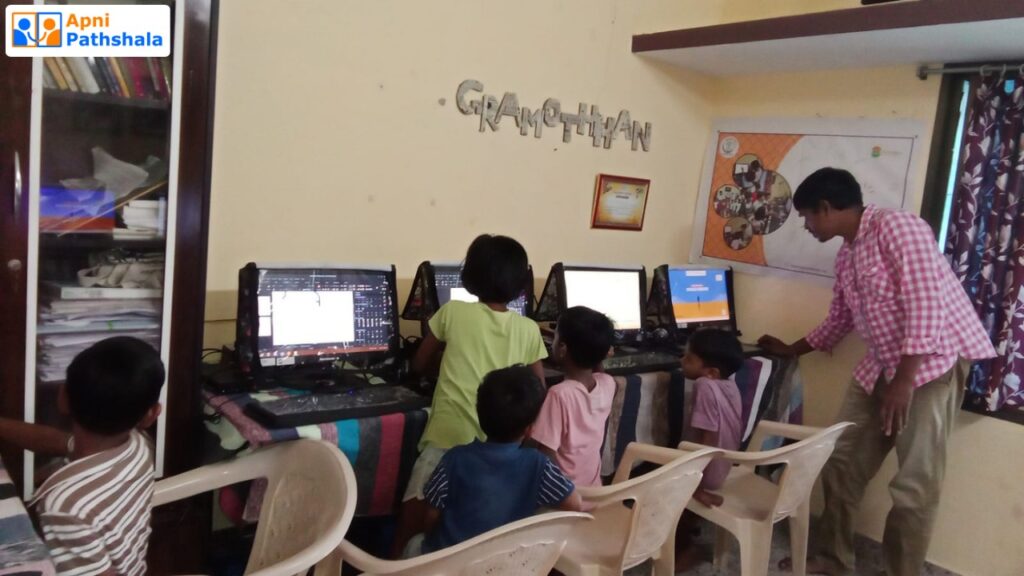
Unlike traditional one-way learning, many digital tools are interactive. Educational apps, simulations, and games require children to make choices, test ideas, and see outcomes.
For example:
-
- Problem-solving games encourage strategy and planning
-
- Interactive quizzes require reasoning, not memorization
-
- Learning simulations allow kids to experiment and observe results
This interaction keeps children mentally engaged and encourages active thinking.
Digital Tools Promote Problem-Solving Skills
Many digital platforms present children with challenges that require step-by-step thinking. Whether it’s solving a math puzzle, debugging a simple coding task, or completing a logic-based game, kids learn how to break down problems into smaller parts.
Through repeated practice, children develop:
-
- Logical reasoning
-
- Persistence
-
- The ability to learn from mistakes
These are core elements of critical thinking.
Encouraging Curiosity and Questioning
Good digital tools spark curiosity. Videos, interactive lessons, and exploratory apps encourage kids to ask “why” and “how” instead of passively consuming information.
When children explore topics digitally:
-
- They compare different ideas
-
- They search for answers
-
- They connect concepts across subjects
This habit of questioning strengthens analytical thinking and deeper understanding.
Learning Through Creation, Not Just Consumption
Digital tools allow kids to create, not just consume. Activities like writing stories, building presentations, designing simple projects, or creating digital art encourage kids to think creatively and critically.
Creating something digitally helps children:
-
- Plan and organize ideas
-
- Evaluate their own work
-
- Improve through feedback
This process builds confidence and independent thinking.
Developing Decision-Making Skills
Many educational digital tools require kids to make choices choosing solutions, selecting strategies, or deciding how to approach a task. Each decision has consequences, which helps children understand responsibility and outcomes.
Over time, kids learn to:
-
- Think before acting
-
- Analyze different options
-
- Reflect on results
These decision-making experiences strengthen critical thinking in everyday situations.
Role of Adults in Guiding Digital Learning
Digital tools alone are not enough. Parents and educators play a key role in guiding how children use technology. Asking questions like “Why did you choose that answer?” or “What would happen if you tried a different approach?” helps children reflect on their thinking.
Guided discussions turn digital activities into deeper learning experiences.
Balancing Digital and Real-World Thinking
While digital tools are powerful, they should complement not replace real-world learning. When combined with discussions, hands-on activities, and reflection, digital tools enhance understanding and reinforce critical thinking skills.
A balanced approach ensures children learn to apply their thinking both online and offline.
Conclusion
Digital tools, when used with purpose and guidance, can significantly enhance critical thinking in kids. By encouraging interaction, problem-solving, creativity, and decision-making, technology becomes more than just screen time it becomes thinking time.
The goal is not to limit technology, but to use it wisely. When digital tools are aligned with learning goals, they help children grow into confident, curious, and independent thinkers.