


Technology is now a natural part of children’s daily lives. From online classes to educational apps, digital tools can greatly support learning but only when used with the right routines. Without structure, technology can become distracting. With simple daily habits, however, it can turn into a powerful learning companion.
The key is not using more technology, but using it more wisely.
Start the Day with Purposeful Screen Time
Beginning the day with focused learning helps set the right mindset. Instead of random screen use, children should start with a specific learning activity.
This could include:
- Revising lessons from the previous day
- Watching a short educational video
- Practicing reading or math skills
A calm, goal-based start helps children stay focused and motivated.
Create a Fixed Learning Schedule
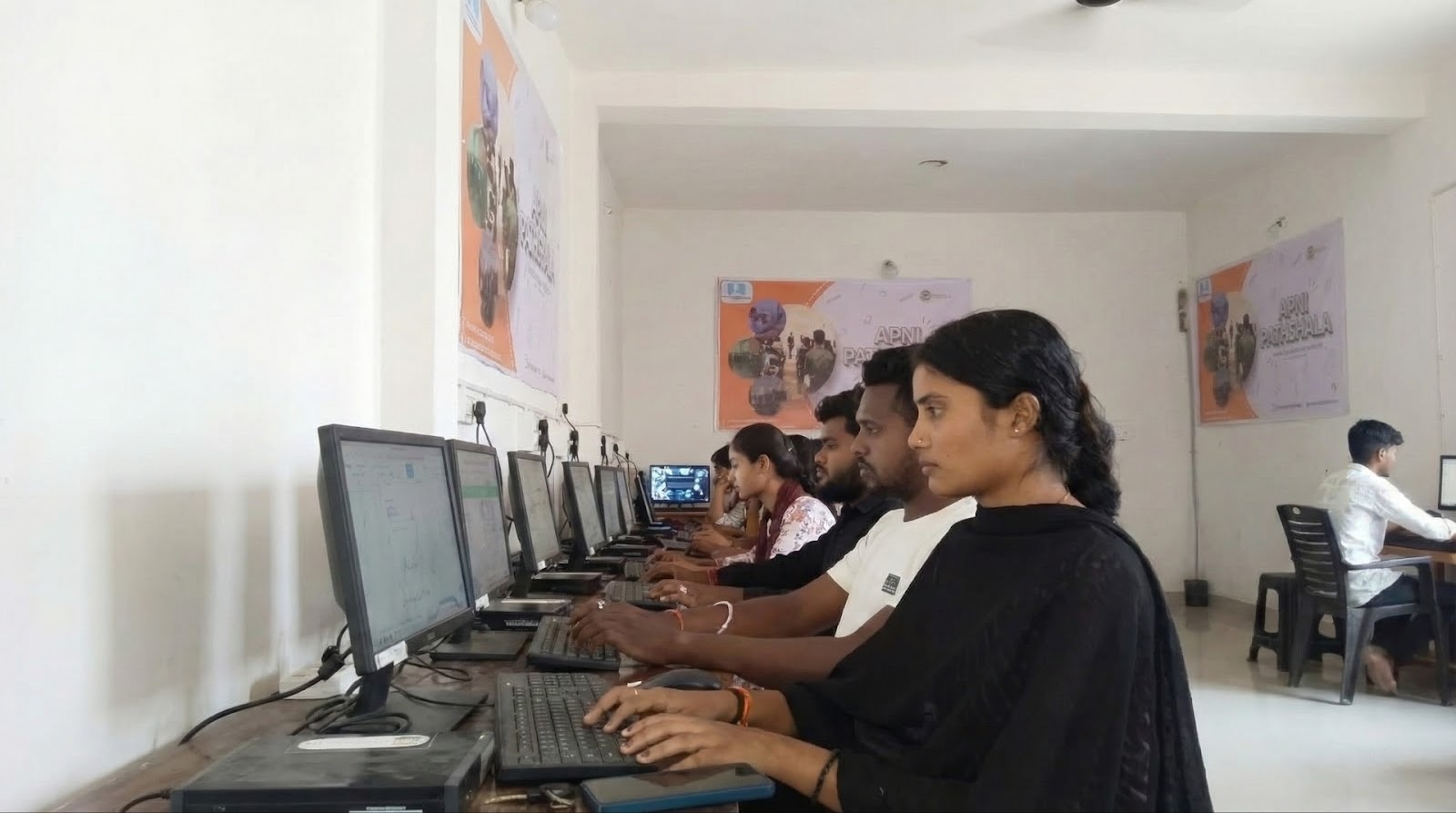
Consistency is one of the most important factors in learning. Having a fixed daily schedule for digital learning helps children know when it’s time to study and when it’s time to relax.
A simple routine may include:
- Dedicated time for online classes
- Short sessions for practice or revision
- Clear start and end times
When learning becomes predictable, children develop discipline and better concentration.
Use Technology for Active Learning
Technology works best when children actively participate rather than passively watch. Daily routines should include interactive activities that require thinking and response.
Examples include:
- Solving quizzes or puzzles
- Writing short answers or notes digitally
- Using learning apps that require problem-solving
Active engagement helps improve understanding and retention.
Encourage Breaks and Movement
Learning with technology should always include breaks. Short breaks between screen sessions help reduce fatigue and improve focus.
Healthy habits include:
- Standing or stretching every 30–45 minutes
- Short walks or physical movement
- Resting eyes away from screens
These breaks refresh the mind and improve learning quality.
Daily Reflection and Discussion
One of the most effective routines is reflection. At the end of a learning session, children should be encouraged to talk about what they learned.
Parents or educators can ask:
- What did you learn today?
- What was easy or difficult?
- What would you like to learn tomorrow?
This simple habit strengthens understanding and critical thinking.
Balance Digital and Offline Activities
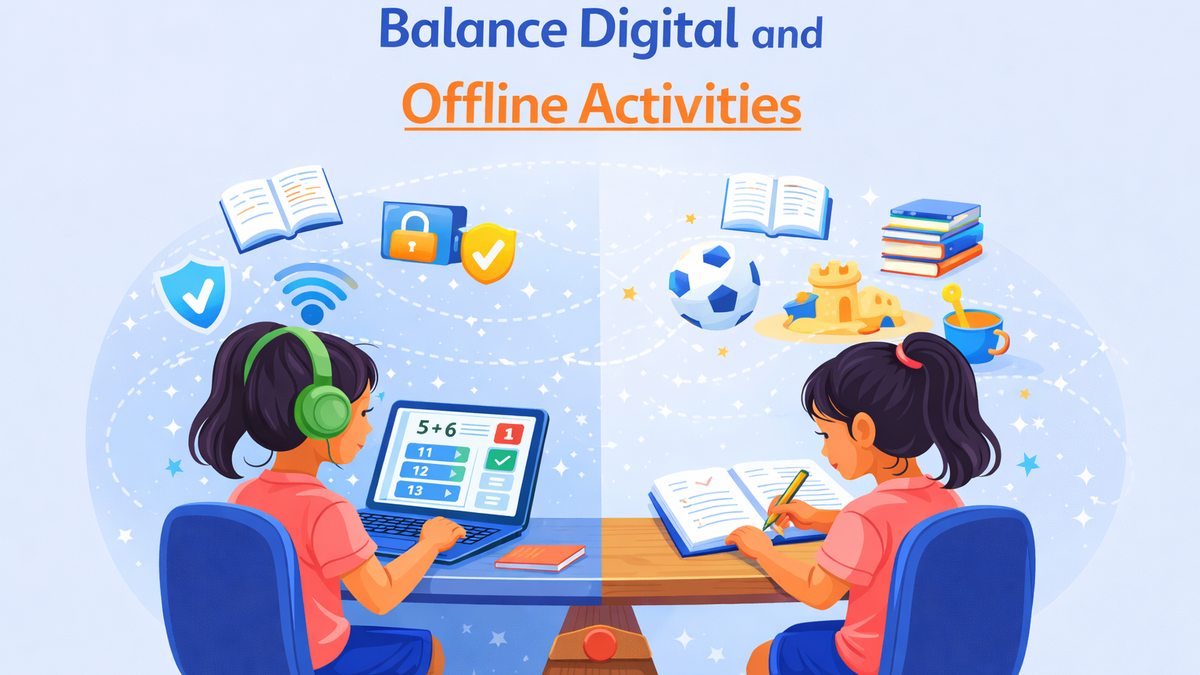
Technology should support learning, not replace offline activities. A good daily routine includes both digital and non-digital learning.
For example:
- Reading books after online lessons
- Writing notes or drawing concepts on paper
- Practicing skills learned online in real life
This balance deepens learning and reduces screen dependency.
Teach Responsible Technology Use
Daily routines are also a great way to teach responsibility. Children should learn that technology is a tool for learning, not constant entertainment.
This includes:
- Logging out after learning sessions
- Avoiding unnecessary apps during study time
- Using devices with care and focus
These habits prepare children for healthy digital behavior in the long run.
End the Day with Light Learning or Revision
Ending the day with light revision helps reinforce learning without pressure. This could be:
- Reviewing notes
- Watching a recap video
- Reading a short educational article
This gentle routine strengthens memory and builds confidence.
Role of Parents and Educators
Parents and educators play a key role in guiding daily routines. Simple involvement like checking schedules, asking questions, and encouraging consistency makes a big difference.
Supportive guidance helps children develop positive learning habits with technology.
Conclusion
Simple daily routines can transform technology into a powerful learning tool. With structure, balance, and guidance, digital tools help children stay focused, curious, and motivated.
Learning with technology does not need to be complicated. Small, consistent habits practiced daily can lead to meaningful learning and long-term growth.