


Every parent has said it. Every student has heard it. “You need to study more.” More hours, more revision, more time with the books. It seems logical that more time spent should mean more learned. But it does not work that way. The uncomfortable truth about study time vs learning is that the number of hours a student sits at a desk has almost no reliable connection to how much they actually understand. What matters is not how long they study. It is how they study.
Why More Hours Can Actually Work Against Students?
A student who sits for five hours re-reading the same chapter is not studying. They are performing the appearance of studying, for their parents, for themselves, and for the comfort of feeling productive. But re-reading creates familiarity, not understanding. It feels like progress because the words become recognisable. It is not progress because the brain has not been asked to do any real work.
Worse, long passive study sessions build false confidence. The student finishes the session feeling prepared. They sit in the exam and discover that recognising information when it is in front of you is entirely different from being able to retrieve it when it is not. The marks come back lower than expected. The student and the family conclude they need to study even more hours. The cycle continues.
This is one of the most damaging patterns in how Indian students approach preparation, and it is almost entirely due to not knowing what effective learning methods actually look like in practice.
What Effective Learning Methods Actually Require?
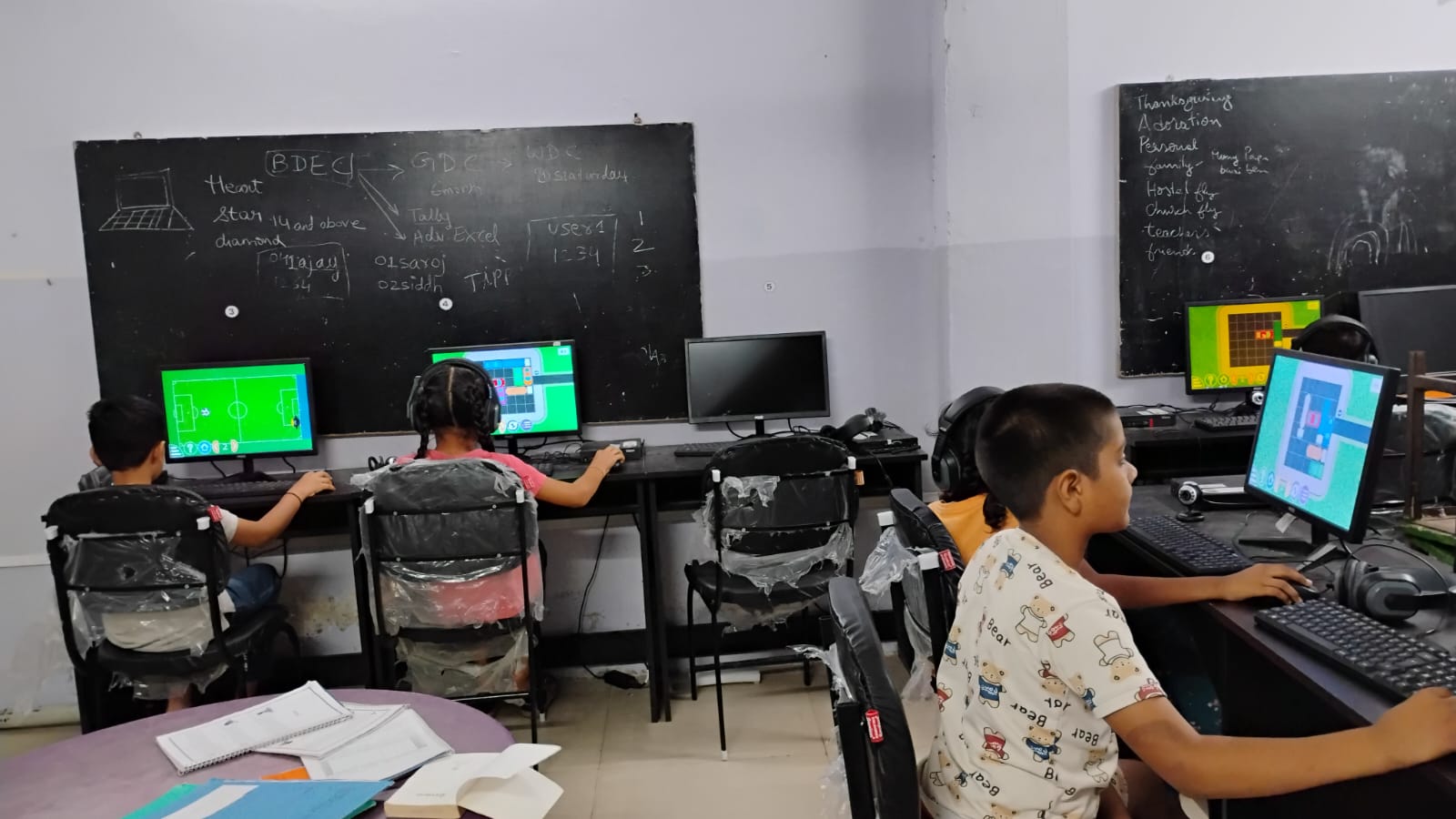
Learning is not a passive activity. The brain retains what it is forced to work for, what it has to retrieve, apply, explain, or connect to something it already knows. Effective learning happens when a student is actively doing something with the material, not just sitting near it.
The methods that research consistently shows actually build understanding are straightforward:
Active recall over re-reading. Close the book. Write down everything you remember about the topic. Check what you missed. Go back and learn it again. This process of retrieving information from memory, even when you get it wrong, strengthens retention far more than any amount of re-reading.
Spaced repetition. Reviewing material at increasing intervals, today, then in three days, then in a week, is dramatically more effective than cramming everything the night before. The brain is forced to reconstruct the memory each time, which makes it stick.
Practice problems over passive notes. In Maths, Science, and even languages, solving problems is the study. Reading about how to solve a quadratic equation and actually solving twenty of them are completely different cognitive activities. The second one is learning. The first one is preparation for learning, at best.
Explaining concepts aloud. If a student can explain a topic clearly in their own words, without looking at their notes, they understand it. If they cannot, they do not, regardless of how many hours they spent reading about it. Teaching a concept, even to an imaginary audience, forces the brain to organise what it knows.
Student Productivity India Needs Quality Over Quantity
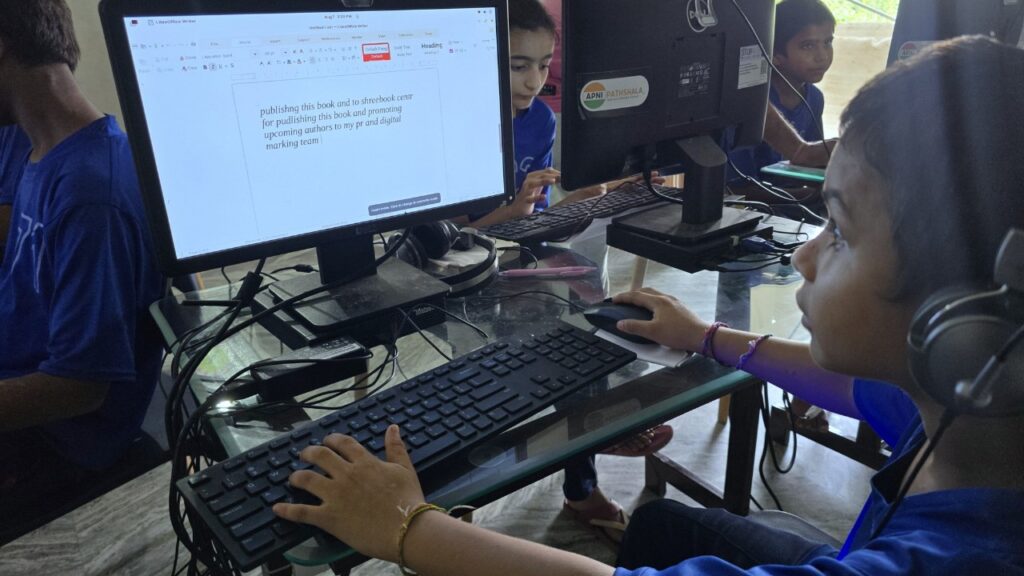
When we talk about student productivity India needs to build, the conversation has to shift from hours to outcomes. A student who spends two focused hours using active recall and practice problems will outperform a student who spends six hours passively re-reading, every time, across every subject.
The problem is that productive study is harder. It is uncomfortable. When you try to recall something and cannot, that feeling of struggle is unpleasant. Re-reading is easy and comfortable by comparison. So students default to re-reading, not because it works, but because it feels better in the moment.
Parents who push for more hours without addressing the method are, unintentionally, reinforcing the less effective approach. What students need is not more time. They need better tools and better habits.
According to NCERT’s learning guidelines, effective academic preparation is built on conceptual understanding and applied practice, not on volume of time spent. The National Education Policy 2020 similarly emphasises critical thinking and self-directed learning over rote repetition as the foundation of genuine educational outcomes.
Learning Efficiency Tips That Actually Change Results
Here are learning efficiency tips that shift the focus from time spent to understanding built:
Set a specific goal for every session. Not “study Chemistry” but “understand and be able to explain the difference between exothermic and endothermic reactions, then solve ten problems.” A session with a clear goal ends with measurable progress. A session without one ends when the clock runs out.
Use the 45-10 rule. Forty-five minutes of focused, active study followed by a ten-minute break outperforms three hours of distracted reading. The brain consolidates learning during rest. Short, intense sessions with real breaks are neurologically more efficient than marathon sittings.
Test before you feel ready. Most students wait until they feel prepared to attempt a practice test. The research says to do it earlier, attempting a test before you feel ready forces active retrieval and shows you exactly what you do not know, which is the most useful information you can have.
Use digital tools that give instant feedback. A student who solves a problem and can immediately check whether the answer and the method were correct learns faster than one who has to wait for a teacher to review their work. Educational software and practice platforms make this kind of instant feedback loop available to every student with a computer.
The Right Environment Makes Better Methods Possible
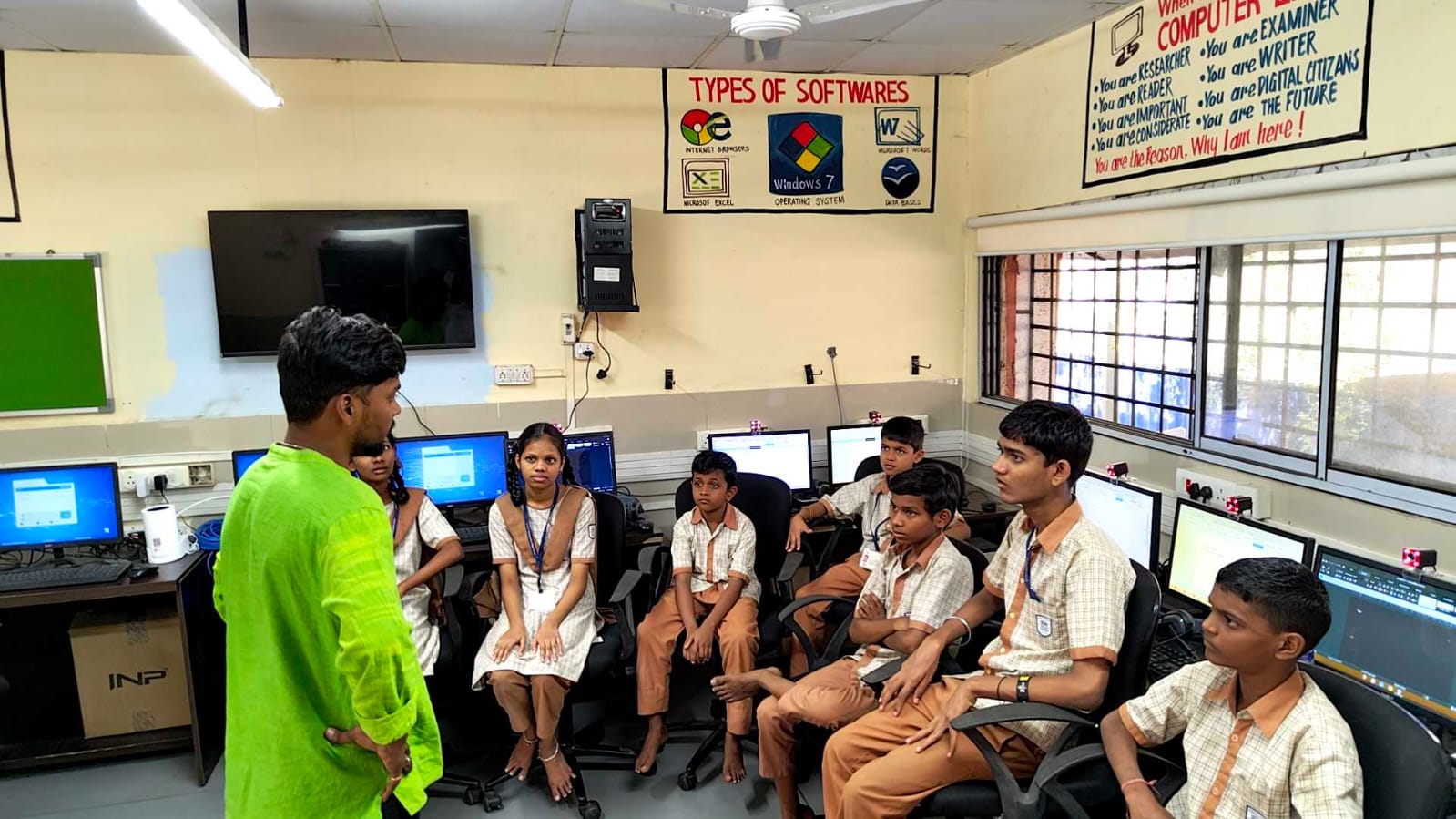
None of these methods works well on a shared phone with notifications coming in every few minutes. They require a focused environment, a proper screen, a keyboard for note-taking, and a device used only for learning.
Apna PC is built for exactly this. At ₹21,000 (shipping and GST excluded), it gives Indian students a dedicated educational computer that supports the habits of efficient, active study, not just more hours in front of a screen. See how a personal computer helps students learn beyond the school curriculum and why the right device is part of the right method.
More Time Is Not the Answer. Better Methods Are.
Students do not fail because they studied for too few hours. They fail because no one taught them how to study well. The shift from passive to active learning, from re-reading to retrieval, from familiarity to understanding, is the single change that improves outcomes more than any increase in study time. Give a student the right methods and the right environment, and two focused hours will do more than six distracted ones ever could. Visit apnapc.com to learn more.