

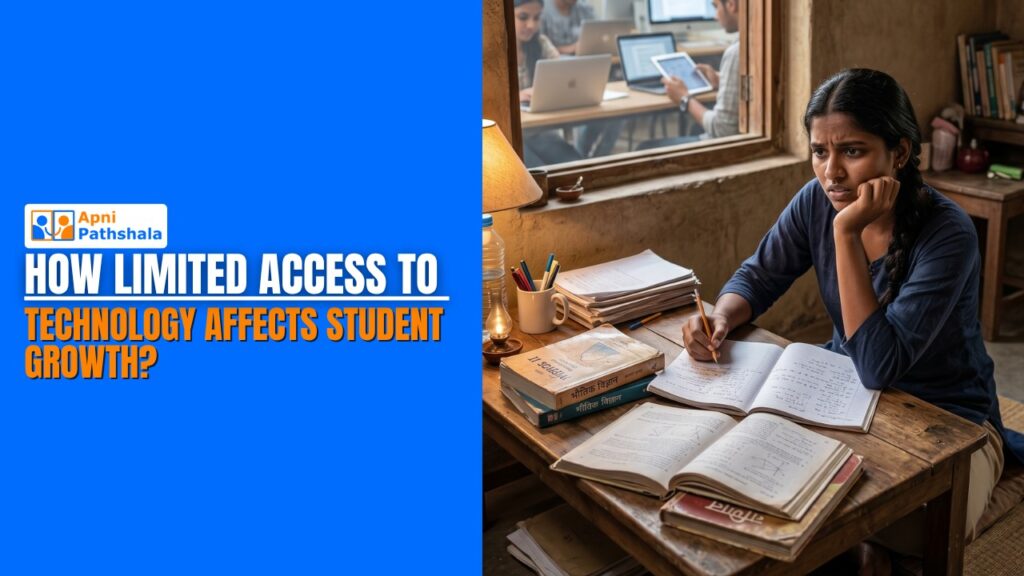
Two students. Same syllabus. Same number of hours in the day. One has a personal computer at home, and the other does not. By the end of the academic year, the gap between them is not just about marks. It shows up in how they think, how they communicate, how they handle problems they have never seen before, and how confidently they imagine their own futures. The technology access students have, or do not have, shapes far more than exam scores. It shapes the trajectory of their entire development.
The Digital Divide India Education Cannot Afford to Ignore
The digital divide India’s education faces is not a new problem. But it has become more urgent. As colleges, employers, and competitive exams increasingly assume that candidates are digitally fluent, students who grew up without consistent access to technology are starting from a position of disadvantage before they have even begun.
In urban private schools, computers are part of the classroom. Students interact with software, learn to type, build presentations, and navigate digital tools as a routine part of their education. In government schools and homes in smaller cities and rural areas, this exposure simply does not exist at the same level. Students graduate from school having studied the same syllabus on paper, but having missed years of practical digital experience that their urban peers absorbed without thinking about it.
This is not a small gap. It is a structural disadvantage that follows students into every opportunity they pursue after school.
Student Growth Challenges Created by Limited Technology Access
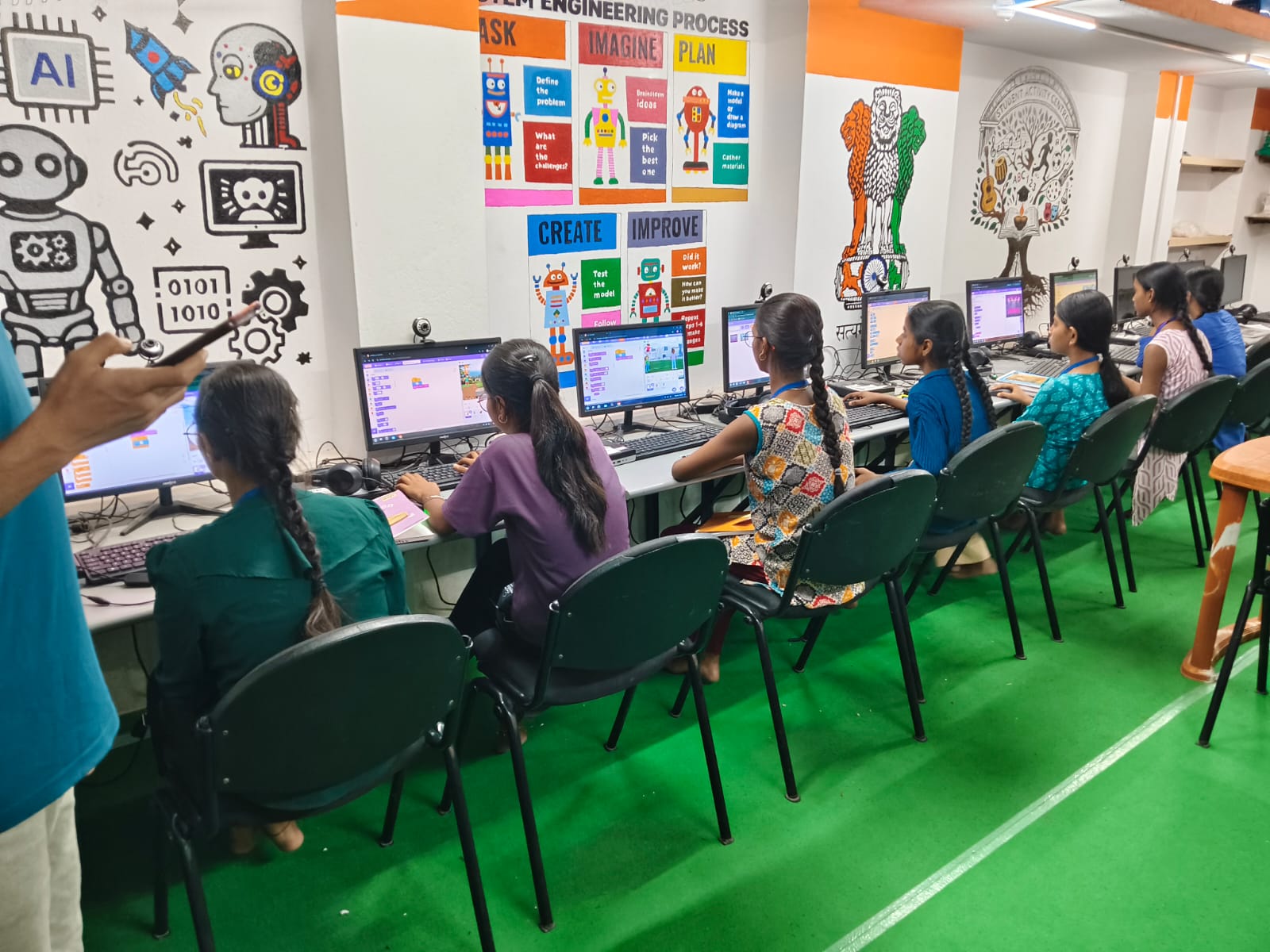
The student growth challenges that come from limited technology access are both academic and personal. Understanding the full scope of what is lost helps explain why access matters so much.
Restricted curiosity. A student with a computer can follow any question wherever it leads. They read about photosynthesis, wonder how plants survive in the dark, search for the answer, and discover an entire branch of biology they were never taught in school. This chain of curiosity-driven learning deepens understanding and builds the habit of asking questions. A student without that access hits a wall at the end of every textbook chapter. Their curiosity has nowhere to go.
Weaker research skills. The ability to find reliable information, evaluate sources, and synthesise what you have read is one of the most important skills a student can develop. It cannot be built without regular practice. Students who spend years looking things up, reading different sources, and deciding what to trust develop this skill naturally. Students without that practice do not, and the deficit shows clearly in college assignments, competitive exams, and professional tasks.
Delayed digital fluency. Using a computer well is a skill, and like all skills, it takes time to develop. Students who begin using one early build speed, comfort, and adaptability with technology that students who start late have to work hard to catch up on. In a world where nearly every professional task involves a screen, arriving late to digital fluency is a real cost.
Narrowed ambition. This is perhaps the least visible effect, and the most important one. Students who have never used a computer often cannot imagine careers that involve one, which eliminates most of the fastest-growing, best-paying fields from their mental picture of what is possible for them. Access to technology does not just build skills. It expands what a student believes they can become.
The Real Impact of No Technology on Daily Learning
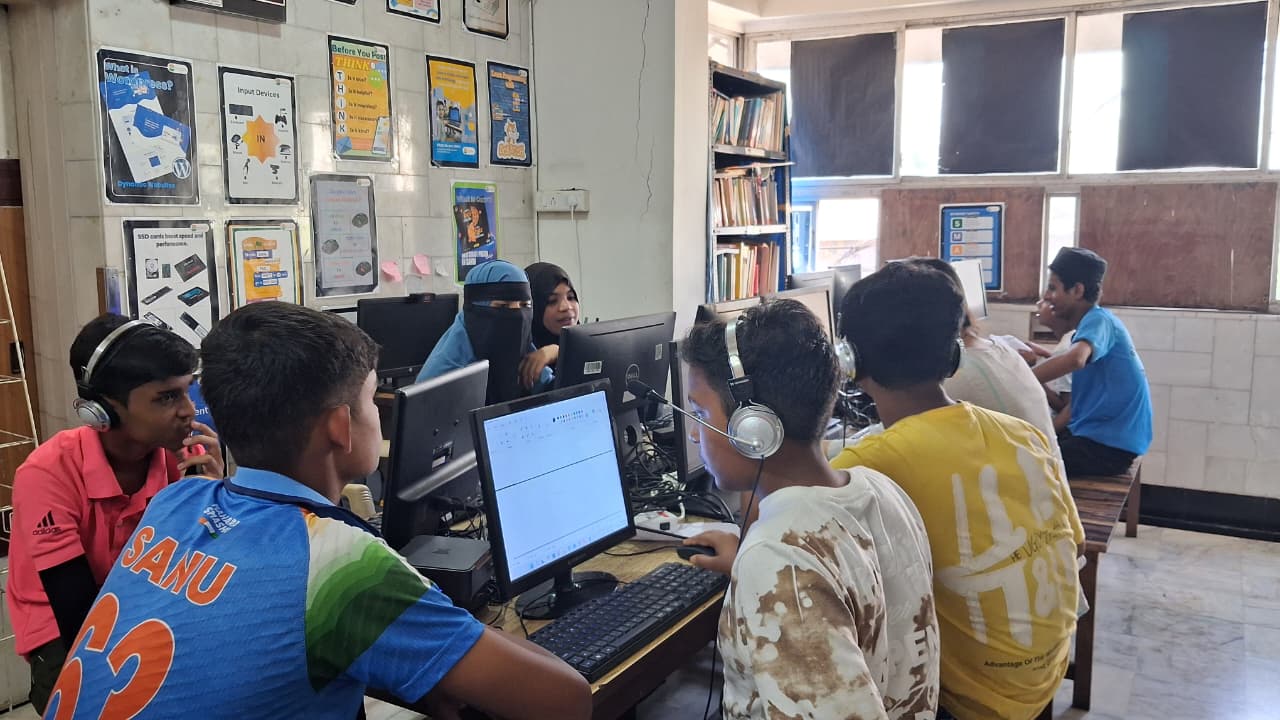
The impact of no technology is felt not once, at a dramatic turning point, but every single day, in small moments that add up to an enormous difference over time.
It is the student who does not understand a concept in class and has no way to revisit it at home. It is the student who falls behind on digital assignments because they only have phone access during unpredictable windows. It is the student who wants to practise typing or learn a new skill but has no device to practise on. It is the student who misses a free online course, a scholarship announcement, or a registration deadline because they had no computer when they needed one.
None of these moments feels catastrophic on its own. Together, they represent years of compounded disadvantage, a gap that grows wider the longer access is delayed.
According to UNESCO’s research on digital education, students with personal access to learning technology consistently demonstrate stronger outcomes in critical thinking, self-directed learning, and long-term academic engagement compared to peers who rely on shared or intermittent access. The National Education Policy 2020 identifies equitable access to technology as a foundational requirement for achieving the learning outcomes that India’s education system is designed to deliver.
Closing the Gap Starts at Home
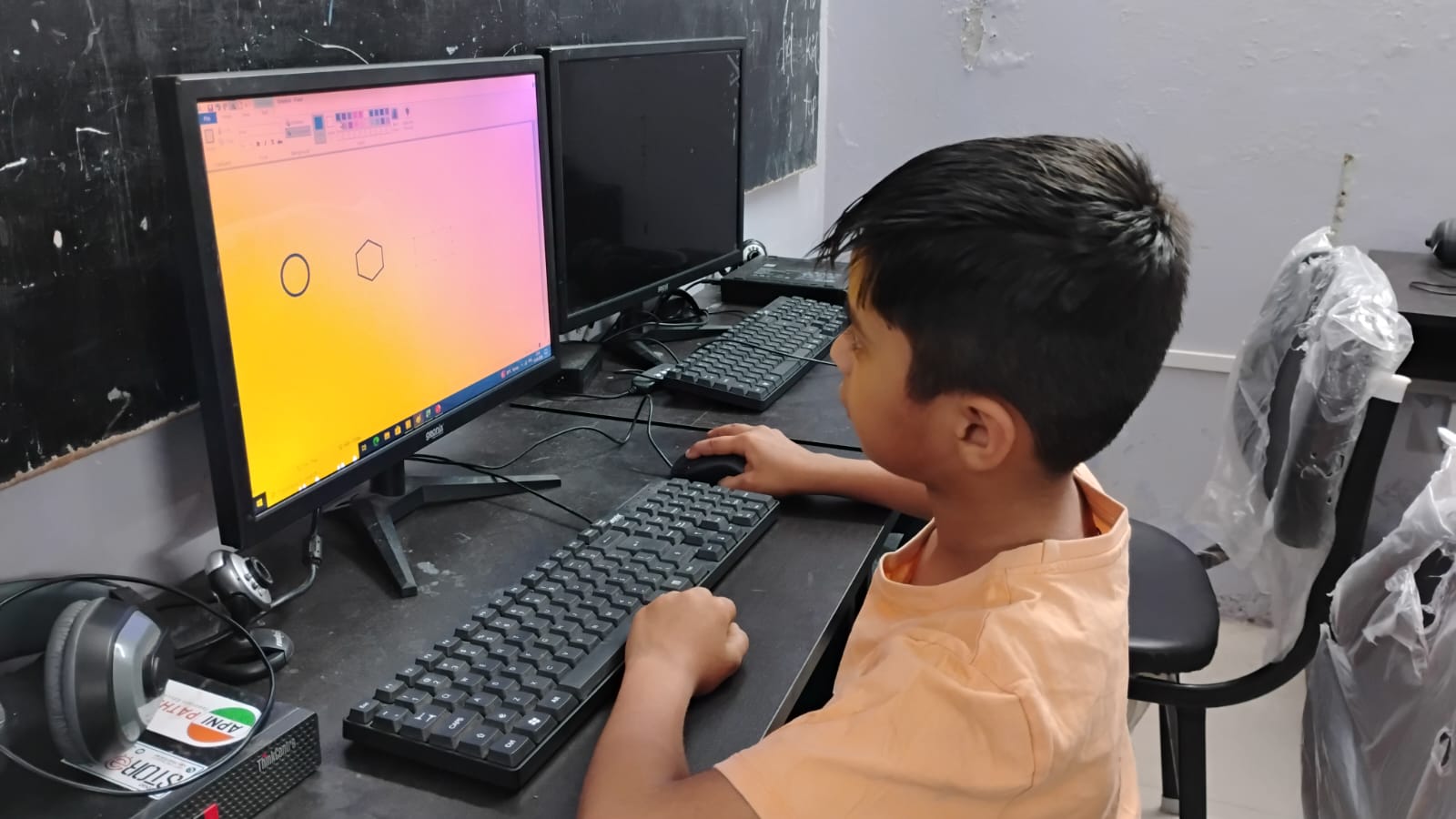
Schools can do only so much. A student spends roughly six hours a day in school and the remaining waking hours at home. What happens in those hours, whether a student can study independently, explore freely, and practise consistently, determines how much of what they are taught actually becomes knowledge they own.
Giving a student their own computer at home is one of the highest-return investments a family can make in their child’s development. Not because of any single feature or capability, but because of what it makes possible every day: uninterrupted study, independent learning, and the slow, consistent building of digital fluency that changes how a student moves through the world.
Apna PC makes this possible for families in Tier 2 and Tier 3 cities at ₹21,000 (shipping and GST excluded), a dedicated educational computer designed for Indian students and built to last. Read how Apna PC builds digital access and equal learning opportunities for every child, regardless of where they live or what school they attend. Access Is Not a Privilege It Is a Starting Point
Technology access is not something students should have to earn or wait for. It is the starting point for meaningful learning in today’s world. Every student who grows up without it is not just missing a device; they are missing years of development that cannot be easily recovered. The students who move furthest are not always the most talented. They are often simply the ones who had the tools to go as far as their effort could take them. Visit apnapc.com to learn more.