


Priya and Rajesh’s Monday Morning Crisis
Priya glanced at her phone: 7:47 AM. Her meeting with the Bangalore client was scheduled to start in 13 minutes. Rajesh was already in the car, heading to his construction site two hours away. Their daughter Isha sat at the kitchen table, staring blankly at her mathematics textbook.
Nobody had checked her homework from Friday. Nobody had asked about her science project due Wednesday. This is the reality for working parents juggling careers and supervising studies across India’s tier-2 and tier-3 cities, where good schools exist but parental support feels impossible.
Nobody had checked her homework from Friday. Nobody had asked about her science project due Wednesday. This is the reality for working parents juggling careers and supervising studies across India’s tier-2 and tier-3 cities, where good schools exist but parental support feels impossible.
You’re not alone if this sounds familiar. Millions of working parents struggle to balance professional responsibilities with their child’s educational needs. The question isn’t whether you care about your child’s learning. The question is how you split study supervision between two jobs, two schedules, and two exhausted people.
Why Study Supervision Matters for Working Parents
Study supervision isn’t just about checking homework. It’s about creating accountability, catching learning gaps early, and building your child’s confidence. When neither parent is home during critical study hours, your child loses that immediate guidance. They struggle silently. They develop bad habits. They fall behind without anyone noticing until the quarterly exams arrive.
According to Education in India, parental involvement directly correlates with student performance. The Ministry of Education emphasises that home-based learning support is crucial for foundational subjects such as mathematics and languages.
Your child needs consistent supervision. The challenge is delivering that consistency when you’re both working parents.
How Working Parents Can Split Responsibilities
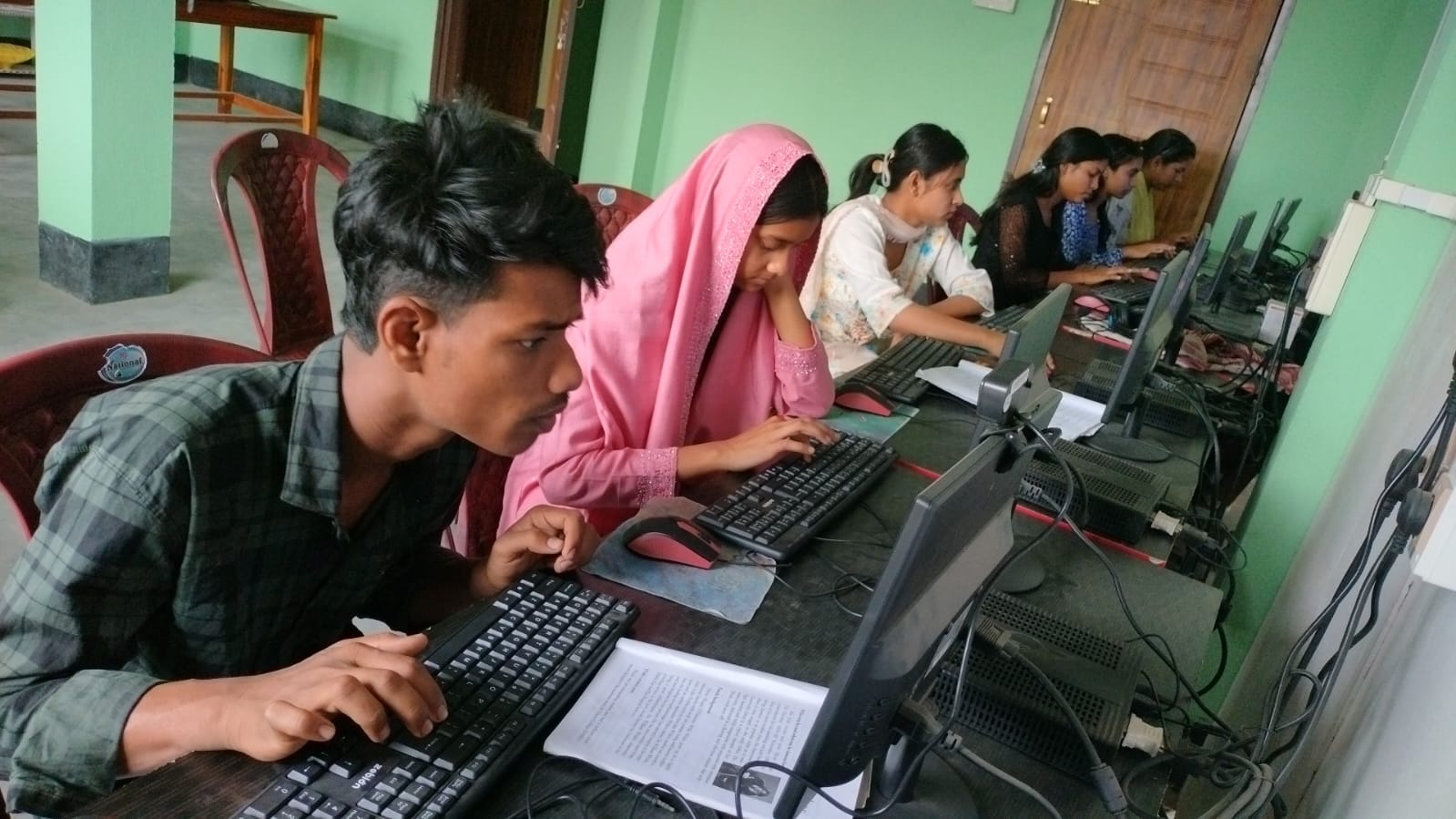
The first mistake working parents make is trying to supervise everything together or leaving it entirely to one parent. Instead, divide responsibilities based on your schedules and strengths.
- Morning parent: Handles quick subject reviews, breakfast table quizzes, and backpack checks before school.
- Evening parent: Manages homework verification, project discussions, and weekly progress reviews.
- Weekend parent: One parent handles concept clarification; the other manages extracurriculars or revision.
Priya started handling Monday and Wednesday evenings. Rajesh took Tuesday and Thursday. Sundays became their joint review day. This wasn’t perfect, but it was sustainable. You need a system that actually works with your real life, not some ideal version that doesn’t exist.
Technology Bridges the Gap When You Can’t
Your phone can’t replace your presence, but it can extend your reach. Real-time updates about your child’s learning progress let you stay connected even when you’re not physically there. This is where tools designed for working parents make a genuine difference.
Apna PC comes with Apni Prerna, a student monitoring system that tracks your child’s learning activities. You see what subjects they’re studying, how much time they spend on each topic, and where they might need help. When you’re stuck in traffic or back-to-back meetings, you still know what’s happening with your child’s education.
The device itself runs Zorin OS with preloaded educational software such as LibreOffice and Scratch. Your child has access to a dedicated, distraction-free learning environment. No gaming apps. No social media. Just focused study time that you can monitor from anywhere.
With 8GB of RAM and a 128GB SSD, Apna PC handles multiple subjects, video lessons, and project work simultaneously. It’s built specifically for Indian students in tier-2 and tier-3 cities, where reliable computers for learning are still a luxury.
Create a Shared Communication System
Working parents need real information flow. A simple shared Google Sheet or WhatsApp note listing daily assignments, upcoming tests, and project deadlines takes five minutes to update but saves hours of confusion.
Every evening, whoever supervised study time that day updates the sheet. The other parent reads it before their supervision slot. Your child sees both parents are aware of their progress. This consistency matters enormously for motivation and accountability.
You’re not just checking homework. You’re showing your child that education matters enough for both parents to coordinate around it.
The Weekend Power Move
Weekends are your leverage point. Even if you’re both exhausted, two hours of focused study supervision on Saturday or Sunday can cover what you missed during the week. Use this time for concept review, not just for checking homework.
Sit with your child. Ask them to explain what they learned. Let them teach you. This active engagement beats passive homework supervision by miles. You discover what they actually understand versus what they’re just copying.
Check out our guide on how to involve child in study schedule to make weekends more productive and less stressful for everyone.
Real Tools for Real Working Parents
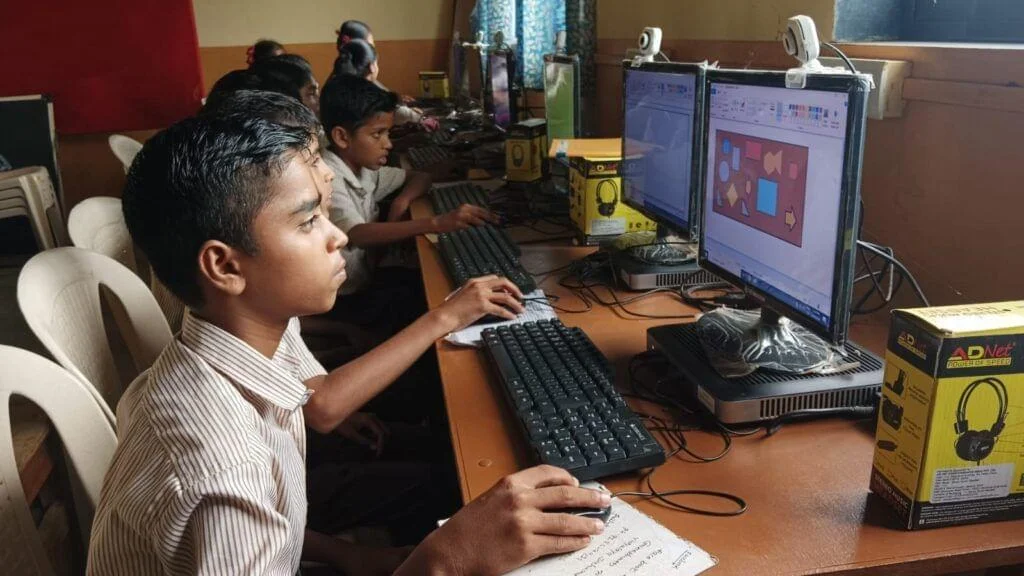
You need infrastructure that supports your divided supervision model. Apna PC at Rs.30,000 (excluding shipping and GST) gives your child a dedicated learning device. It’s not a toy computer. It’s built for serious study work, with student monitoring built in.
Your child gets a focused environment. You get visibility into their learning. Both parents can check progress without being physically present. This isn’t replacing your supervision. It’s multiplying its effectiveness.
Read more about how other working mothers’ study routines have improved with the right tools and systems.
Your Action Plan Starting This Week
Don’t try to fix everything at once. Start with one change.
- This week: Divide supervision days between you and your spouse. Write it down.
- Next week: Set up a shared communication system for daily updates.
- Week three: Implement one technology tool for tracking progress.
- Week four: Evaluate what’s working and adjust.
Priya and Rajesh didn’t transform their situation overnight. But within three weeks of splitting responsibilities clearly and using Apna PC’s monitoring features, Isha’s engagement improved noticeably. More importantly, both parents felt less guilty and more connected to her learning journey.
Your situation can improve too. You don’t need to be present every moment. You need to be present strategically, with systems that multiply your impact. Apna PC is designed specifically for working parents like you who want their children to receive a quality education without sacrificing career growth. Visit apnapc.com to learn more.