

Confidence in a student does not come from praise alone. It comes from experience, from doing something difficult, figuring it out, and realising they are capable. That kind of confidence is built through repeated, independent encounters with challenges. And one of the most effective environments for building it is a personal computer. A computer for student confidence is not a luxury. It is a tool that quietly reshapes how a student sees themselves as someone who can find answers, solve problems, and learn anything they set their mind to.
The Link Between Independent Learning and Confidence
Most students in India go through school largely passively. They listen in class, copy notes, and wait for a teacher to tell them what to do next. This is not a criticism of students or teachers; it is simply how large classrooms function. But this model has a side effect: students never fully develop the belief that they can learn on their own.
When a student has a personal computer, something changes. They begin to seek out information themselves. They look up a concept they did not understand in class. They watch a video explanation, then another, then try a practice problem. They get it wrong, search for why, and try again. This cycle, explore, attempt, fail, adjust, succeed, is exactly how real confidence is built. It is not handed to them. They earn it.
The learning independence India students desperately need does not develop in a classroom of 60. It develops in the quiet hours when a student sits alone with a problem and works through it themselves.
Digital Confidence Students Build Through Daily Use
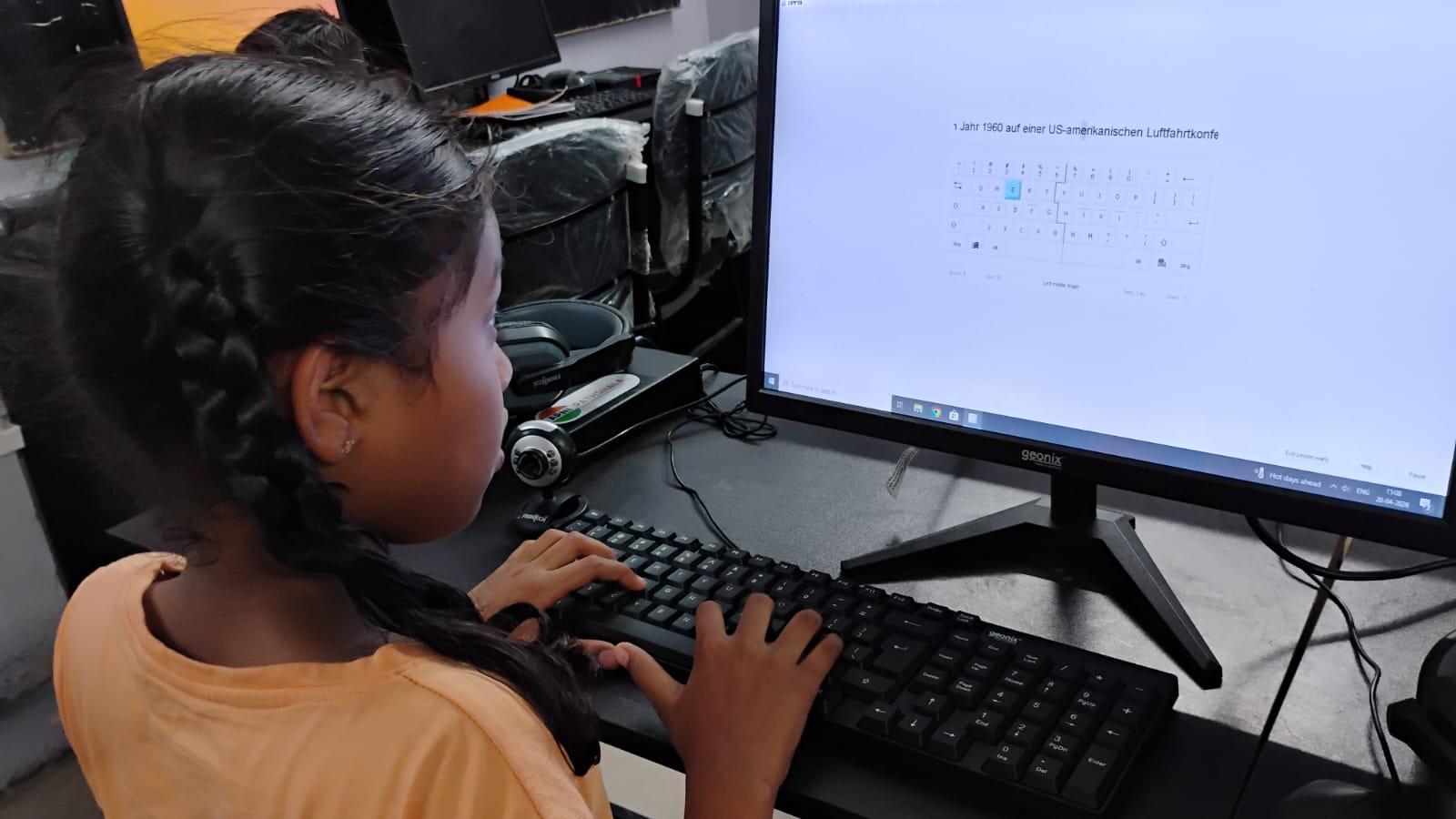
There is a second layer to this. Beyond academic confidence, personal computer use builds digital confidence that students carry into every area of their lives.
A student who grows up using a computer comfortably, creating documents, managing files, researching topics, and navigating software, enters college and the workforce with a visible advantage. They are not intimidated by new tools. They adapt quickly. They volunteer for tasks that involve technology rather than avoiding them. This ease is not a talent. It is a habit built through consistent use from an early age.
In contrast, a student who has only ever used a phone and who shares reluctantly with the family arrives in the professional world anxious about basic computer tasks. They type slowly. They are unsure how to organise digital files. They hesitate when asked to use software they have not seen before. That hesitation costs them opportunities in college, in job interviews, and in the workplace.
The gap between these two students was not fixed at birth. It was created by access, or the lack thereof.
Benefits of Personal Computer Use That Go Beyond Marks
When parents consider whether to invest in a computer, the question is usually about grades. Will this help my child score better? It will. But the benefits of personal computer access go considerably further than exam performance.
Problem-solving instinct. A student with their own device learns to look things up when they are stuck. This sounds small, but it builds a lifelong habit, the instinct to seek solutions rather than give up. That instinct is one of the most valuable things a young person can develop.
Self-assessment. Practice tests, quizzes, and educational software give students immediate feedback on what they know and what they do not. This feedback loop, something a classroom rarely provides in real time, teaches students to evaluate themselves honestly and adjust their effort accordingly.
Creative expression. Students who have a computer begin to create things, type essays, simple presentations, and creative writing, as well as basic projects. Creating something and seeing it come together builds a particular kind of pride and ownership that passive learning never produces.
Resilience. Computers crash. Files go missing. Software behaves unexpectedly. Students who use computers regularly learn to troubleshoot, stay calm under frustration, and find their way through problems. These are life skills dressed as technical ones.
According to India’s National Education Policy 2020, building critical thinking, self-directed learning, and digital literacy are core goals of modern education, and a personal computer is uniquely positioned to develop these skills when integrated into a student’s daily routine.
Why the First Computer Matters So Much?
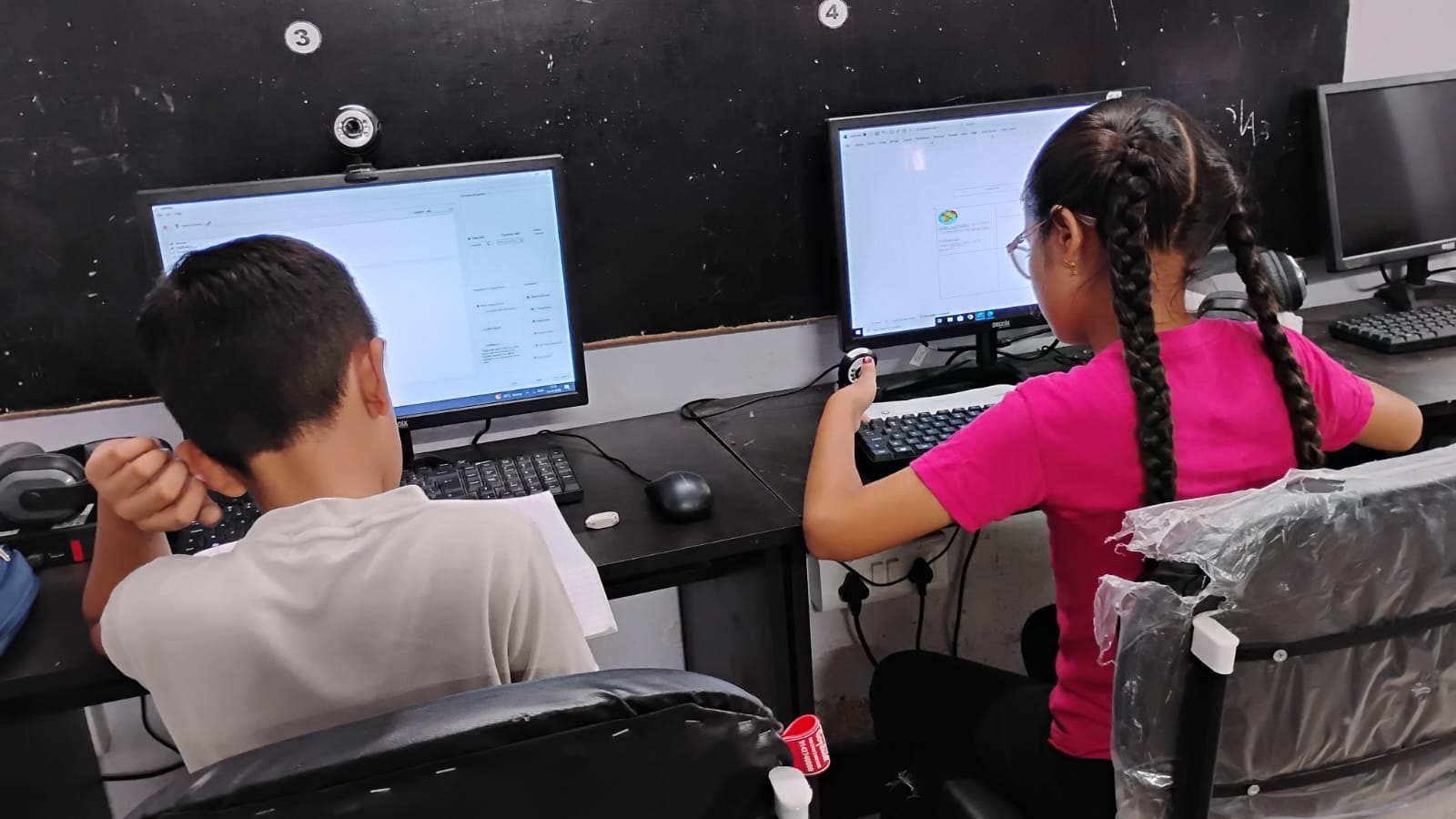
The first device a student calls their own shapes their entire relationship with technology and learning. If that device is a hand-me-down phone with a cracked screen and limited storage, the experience it creates is limited. If it is a proper computer, with a full keyboard, a real screen, and educational tools ready to use, the experience it creates is fundamentally different.
Apna PC is designed to be that first real device for Indian students, particularly in Tier 2 and Tier 3 cities, where families want to invest in their child’s education but cannot justify the price of a high-end laptop. At ₹21,000 (shipping and GST excluded), it gives students a dedicated educational computer that builds the daily habits of independent learning from the start. Read how Apna PC empowers students through digital access and creates the foundation for genuine learning independence.
Confidence Is Built, Not Given
No one can hand a student confidence. It has to come from doing, from trying, struggling, and succeeding on their own terms. A personal computer creates the environment for exactly that. Every problem a student solves independently, every topic they teach themselves, every skill they pick up without being told to, these moments stack up into something real. A student who believes they can figure things out is a student who will. Visit apnapc.com to learn more.