


The jump from primary to middle school is one of the biggest academic shifts for Indian students. Subjects become more demanding, homework increases, and teachers expect more independent work. A student computer built for this stage handles documents, research, presentations, and digital projects without the distractions that slow learning on a shared family device.
What Changes Academically Between Class 5 and Class 6?
In primary school, most work is handwritten and class-based. Middle school adds project work, written explanations, and research tasks that benefit from a computer. Students in Class 6 and above start needing to type essays, create presentations, search for information, and manage multiple subjects simultaneously.
Parents in many Tier 2 and Tier 3 Indian cities face the problem of a family phone or shared tablet that is never reliably free when their child needs it. The result is homework done in a rush, poorly researched projects, and a child who falls behind peers who have better access to learning tools.
- Class 6 and above: written essays, project work, presentations
- CBSE and state board science and maths require document and spreadsheet work
- Increased independent study time needs a device without competing apps
What Specifications Does a Middle School Student Actually Need?
A middle school student does not need a gaming computer. They need enough processing power to run educational software smoothly, enough storage for school documents and projects, and a stable operating system that does not crash or slow down during study sessions.
Apna PC runs Zorin OS, which is lightweight and reliable for school work. The device handles NCERT-level school work, LibreOffice documents, Scratch coding projects, and video lessons without the update-related slowdowns of Windows on budget hardware.
How Does Apna PC Differ From a Regular Budget Laptop for Middle School?
Most budget laptops come loaded with games, pre-installed software trials, and social media shortcuts that distract from study sessions. Apna PC is configured from the start for learning only. There is no gaming software, no bloatware, and no social media to interrupt homework time.
Apni Prerna, built into Apna PC, tracks which subjects the student works on and for how long. Parents can review this without standing over the child every evening. This kind of monitoring is especially useful during the first months of middle school when new study habits are forming. See what to look for in a first student computer for a broader comparison.
What Software Does a Middle School Student Need on a Study Computer?
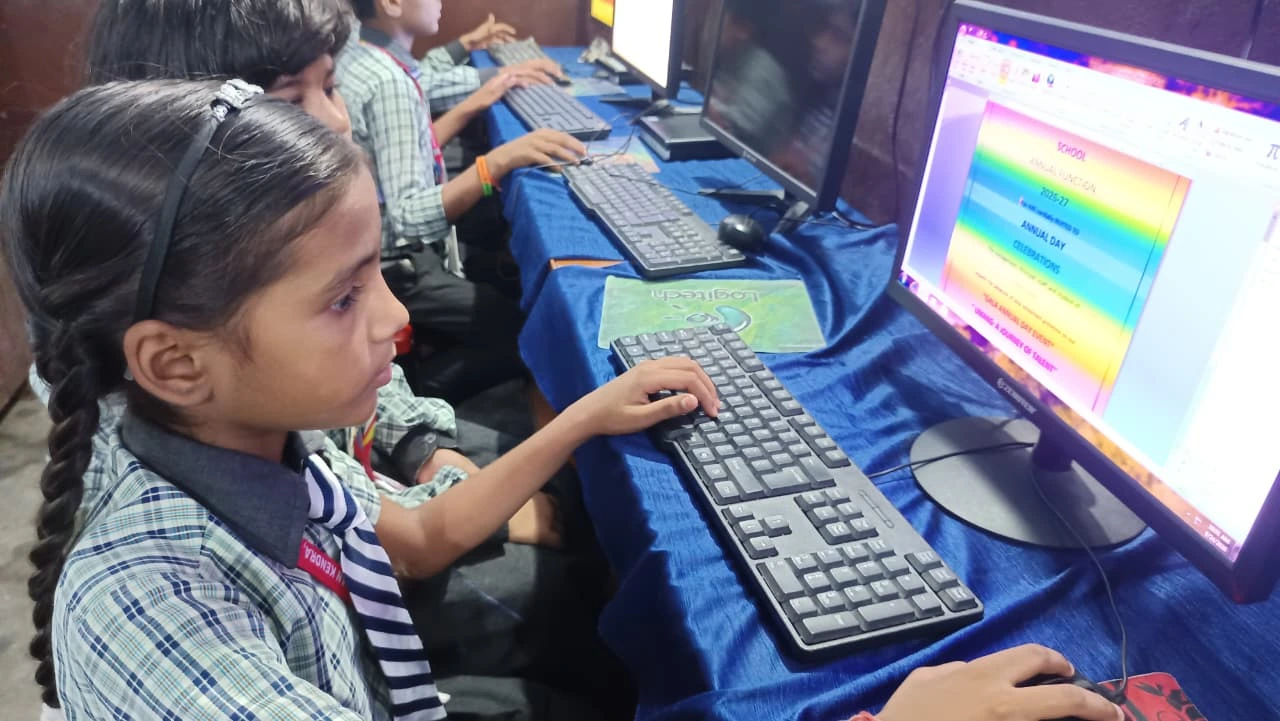
The essentials are a word processor, presentation software, a spreadsheet tool, and a browser for research. Apna PC comes with LibreOffice, which covers all three productivity needs, plus Scratch for coding. These are the same tools used in school computer labs, so the transition from class to home uses the same file formats and workflows without any compatibility issues.
Many parents ask about Rs. 30,000 options in the market. Apna PC is priced at Rs. 30,000 (shipping and GST excluded), which makes it accessible for families who want a dedicated study device without overspending on hardware their child does not need. For more on what the best computer for school students at home requires at different stages, the full guide covers all classes.
How Do You Set Up a Study Computer for the First Month of Middle School?
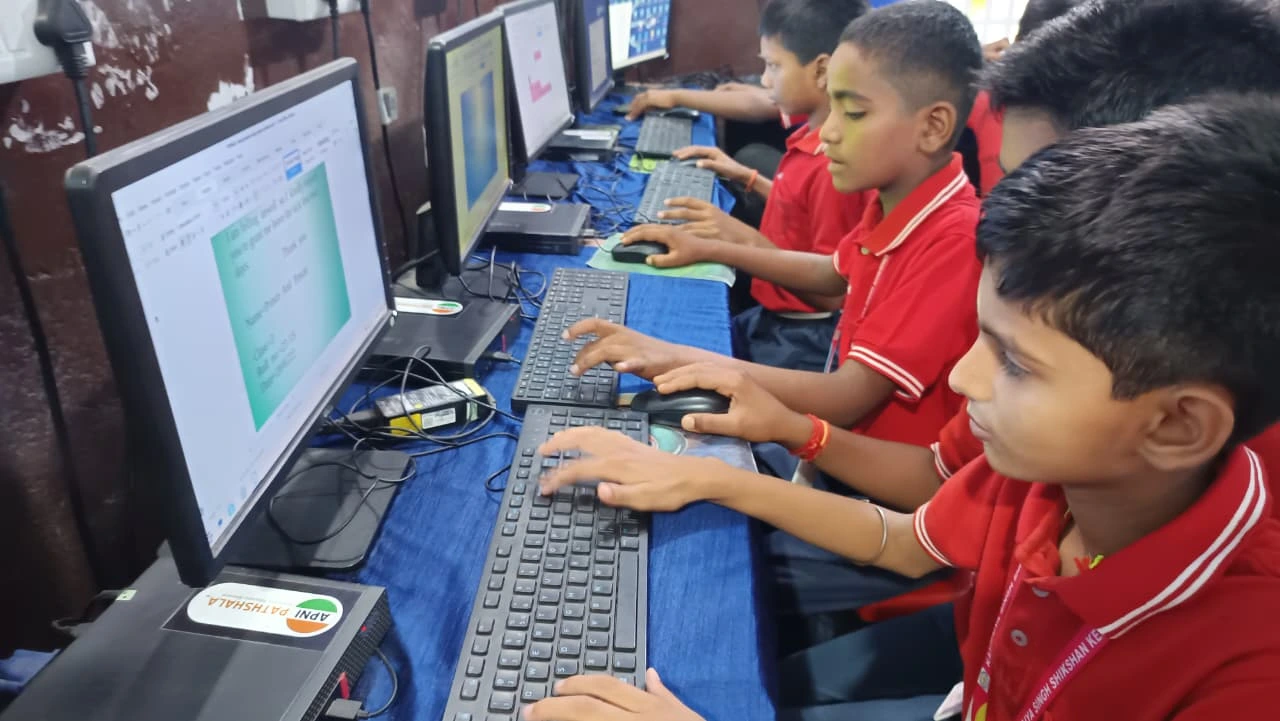
Start by placing the computer in a fixed study spot, not in the bedroom. Set a consistent after-school homework window. Install no additional software beyond what comes pre-loaded. Use Apni Prerna to establish a baseline of daily study time in the first week, then use that data to have an informed conversation with your child about their workload.
The student computer buying guide explains what to look for when making this investment for the first time, covering specs, software, and what to avoid when buying for a school-age child.
Frequently Asked Questions
Is a desktop better than a laptop for a middle school student?
A desktop like Apna PC is harder to move to the bedroom or couch, which keeps the child at the study desk. It also delivers better performance for the price compared to a laptop at the same cost. For families who want a dedicated home study device rather than a portable one, a desktop is usually the better choice.
At what class level should a student get their own computer?
Class 6 is the natural starting point because project work, typed assignments, and research tasks begin in earnest at that stage. Some students benefit from having a computer as early as Class 4 for typing practice and basic digital literacy, but the academic demand that justifies the cost starts around Class 6.
Can parents monitor what their middle school child does on the computer?
Apni Prerna, built into Apna PC, shows parents which subjects their child studied and for how long each session. It does not record browsing in detail, but it gives a clear picture of study habits. This is enough for most parents to know whether the device is being used productively.
The primary to middle school transition is easier when your child has a reliable, focused study tool. Apna PC is built specifically for this stage of learning. Visit apnapc.com to learn more.