


Ravi’s Morning Struggle: Why Forcing a Routine Backfires
Ravi, a 10-year-old from Indore, used to wake up crying before school. His mother, Priya, had created the “perfect” study schedule for him: math at 4 PM, Hindi at 5 PM, English at 6 PM, and science at 7 PM. But Ravi hated it. He’d sit at the table, stare at his books, and accomplish nothing. Priya felt frustrated and helpless. She didn’t realise that forcing a study schedule onto her child was making learning feel like punishment, not progress. Everything changed when she involved Ravi in creating his own study schedule.
If you’re a parent struggling with your child’s academics, you’re not alone. Many parents in Tier 2 and Tier 3 Indian cities face the same challenge: how do you create a routine that actually works? The answer isn’t stricter rules or longer study hours. The answer is involving your child in the decision-making process. When your child has a say in their routine, they take ownership of their learning.
Why Your Child’s Input Matters for Time Management
Children aren’t robots that you can program with a fixed routine. They have energy levels, interests, and natural rhythms. Your son might be a morning person who learns best before breakfast, while your daughter might focus better in the evening. When you ignore these patterns and force a one-size-fits-all plan, your child resists.
Research on Education in India shows that student engagement increases dramatically when learners have autonomy. Your child’s brain releases more dopamine when they feel in control. This means better focus, faster learning, and genuine interest in studies, not just compliance.
Involving your child in creating their own routine also builds responsibility. When your child chooses their own timetable, they can’t blame you when it’s time to study. They made the choice. They own the outcome.
Step-by-Step: How to Build a Study Schedule Together
Step 1: Ask, Don’t Tell
Start by asking your child simple questions. “When do you feel most awake during the day?” “Which subject feels easiest to you?” “How long can you focus before needing a break?” Listen without judgment. Your child’s answers reveal their natural learning rhythm.
Step 2: Identify Energy Peaks and Valleys
Most children have two energy peaks: one in the morning and one in the early evening. Use these peaks for challenging subjects. Use the valleys for easier tasks or revision. If your child struggles with math, don’t schedule it when their energy is lowest.
Step 3: Build in Real Breaks
Your child can’t study for three hours straight. No one can. A realistic routine includes 5-10 minute breaks every 30-40 minutes. During breaks, let your child move around, drink water, or step outside. These breaks aren’t laziness; they’re fuel for the brain.
Step 4: Start Small and Adjust
Don’t create a perfect plan on day one. Start with just two subjects and two hours. After one week, ask your child what’s working and what isn’t. Adjust together. This flexibility shows your child that their feedback matters.
Step 5: Use Visual Tools
Print out the timetable and hang it where your child can see it daily. Use colours for different subjects. Let your child decorate it. When the plan is visible and personalised, your child remembers it better and feels more committed to it.
Tools That Support Your Child’s Study Routine
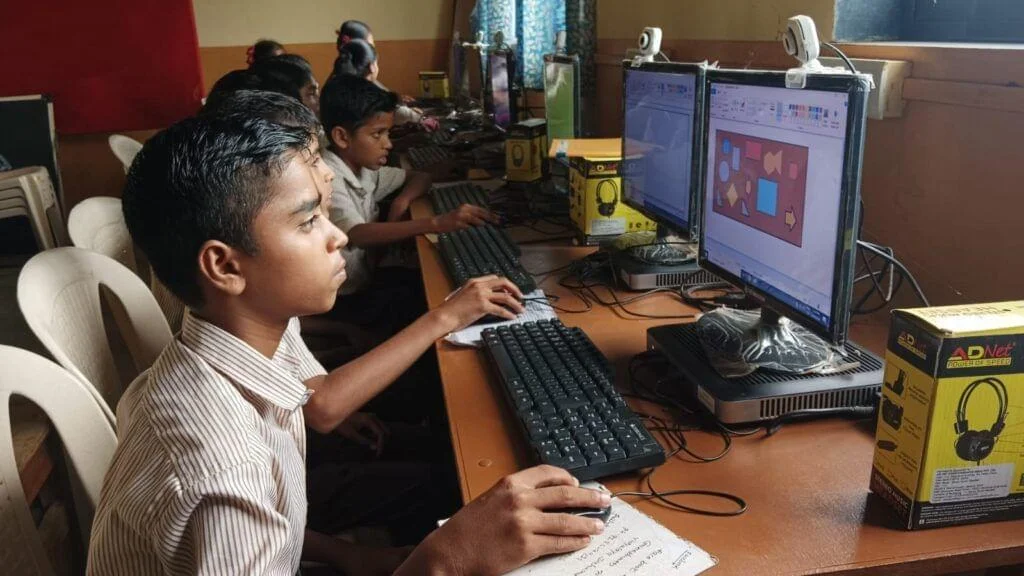
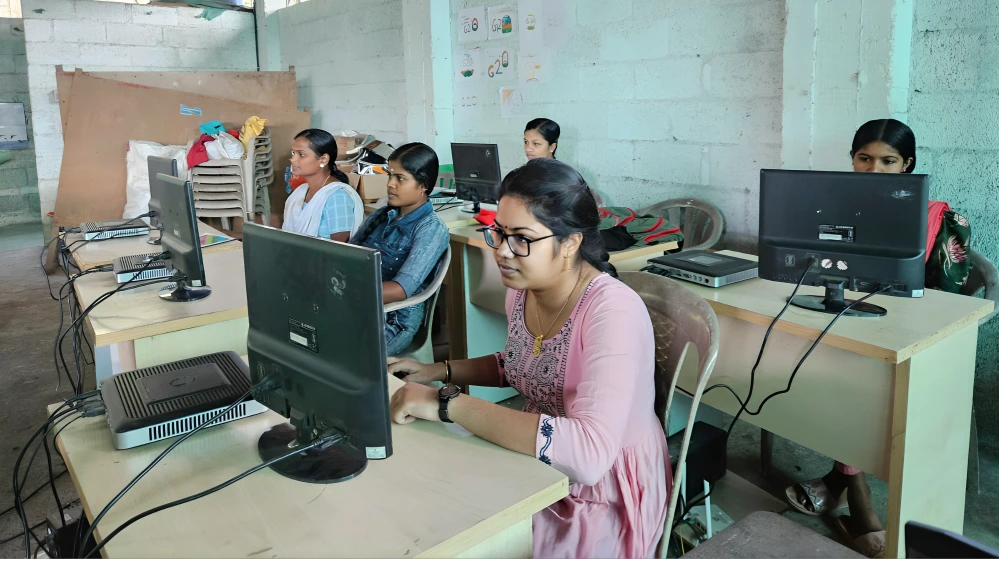
A good study routine needs proper support. Your child needs a quiet space, good lighting, and the right tools. This is where technology plays a role. A dedicated educational computer like Apna PC can transform your child’s study experience.
Apna PC, priced at Rs. 30,000 (excluding shipping and GST), is specifically designed for Indian students. It comes pre-loaded with Zorin OS, a student-friendly operating system, and Apni Prerna, which helps monitor your child’s progress. With 8GB of RAM and a 128GB SSD, your child can run educational software, research tools, and coding platforms like Scratch smoothly. LibreOffice is built in for assignments and projects.
When your child has a dedicated computer for studies, they can follow their timetable without distractions. They can access online resources, complete assignments, and practice coding, all on a device designed for learning.
Learn more about how computers support teachers and enhance the learning experience. If your child is preparing for competitive exams, discover resources on preparing for scholarship exams.
Common Mistakes Parents Make With a Student Routine
Don’t schedule study time right after school. Your child’s brain is tired from classroom learning. Give them 30-45 minutes to rest, eat a snack, and play.
Don’t ignore your child’s health. If your child is sick or very tired, adjust the plan. Forcing study during illness creates negative associations with learning.
Don’t compare your child’s routine to other children’s routines. Your neighbour’s son might study for four hours, but that doesn’t mean your child should. Every child is different.
Don’t forget weekends. Your child needs complete breaks too. A realistic routine includes lighter study days or rest days.
Real Results: What Happens When Children Own Their Study Schedule
When Priya involved Ravi in creating his study timetable, things shifted. Ravi chose to study math first, right after school snacks, because he said math was “like a game.” He picked Hindi for the evening because he enjoyed reading stories before bed. Priya set boundaries, but Ravi made the choices.
Within two weeks, Ravi sat down to study without being asked. Within a month, his math grades improved. More importantly, he stopped crying before school. He felt in control of his learning.
Your child can experience the same transformation. Check the India Ministry of Education guidelines to ensure your child’s routine aligns with official curriculum recommendations.
Building Long-Term Learning Habits
A student routine isn’t just about this year or this exam. It’s about building lifelong learning habits. When your child learns to manage their own time now, they develop skills they’ll use in college and career.
Review your child’s timetable every month. Celebrate what’s working. Problem-solve what isn’t. This ongoing conversation teaches your child that learning is flexible and responsive to their needs.
Your child’s education is a partnership between you, your child, and the right tools. Involving your child in choosing their own routine is the first step toward academic success and genuine love for learning. Visit apnapc.com to learn more.