

In the 21st century, education and technology are deeply interconnected. From classrooms and homework to examinations and career preparation, digital tools have become an integral part of how children learn. However, while technology continues to advance rapidly, access to it remains unequal.
Millions of children across India still lack something as basic as a personal computer. Apna PC is an initiative designed to address this challenge by enabling children to access digital learning resources and develop essential skills for the future.
The Reality of Digital Inequality in Education
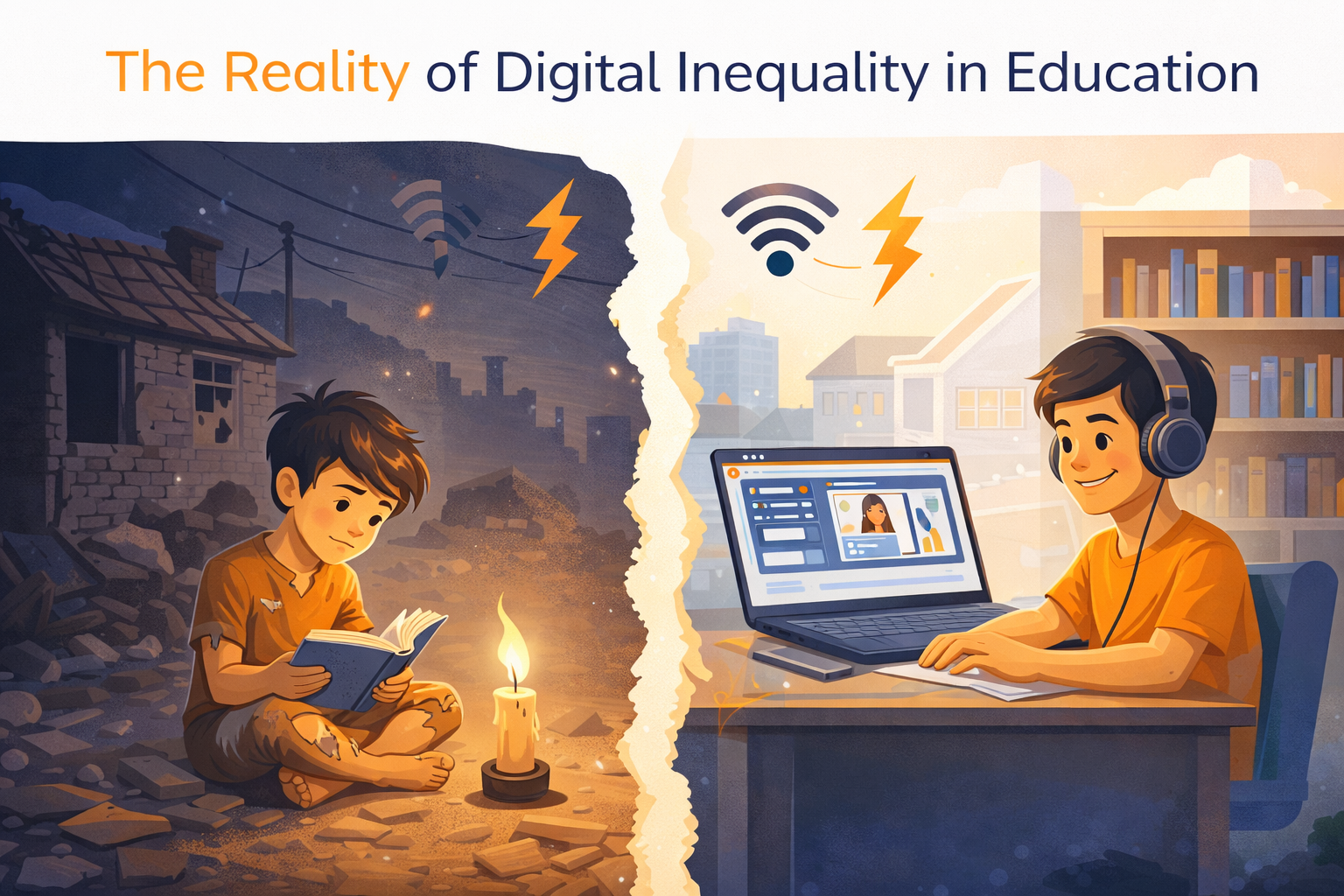
The shift toward online and blended learning has exposed a major gap in the education system. While some students have access to laptops, high-speed internet, and digital learning platforms, many others are forced to rely solely on traditional methods or are excluded altogether.
For children from low-income, rural, and underserved communities, the absence of a computer limits their ability to attend online classes, complete digital assignments, and explore modern learning tools.
This digital inequality affects more than academic performance. It influences confidence, creativity, and exposure to future career paths. Without early access to technology, children often struggle to compete in higher education and the job market later in life.
Understanding the Vision of Apna PC
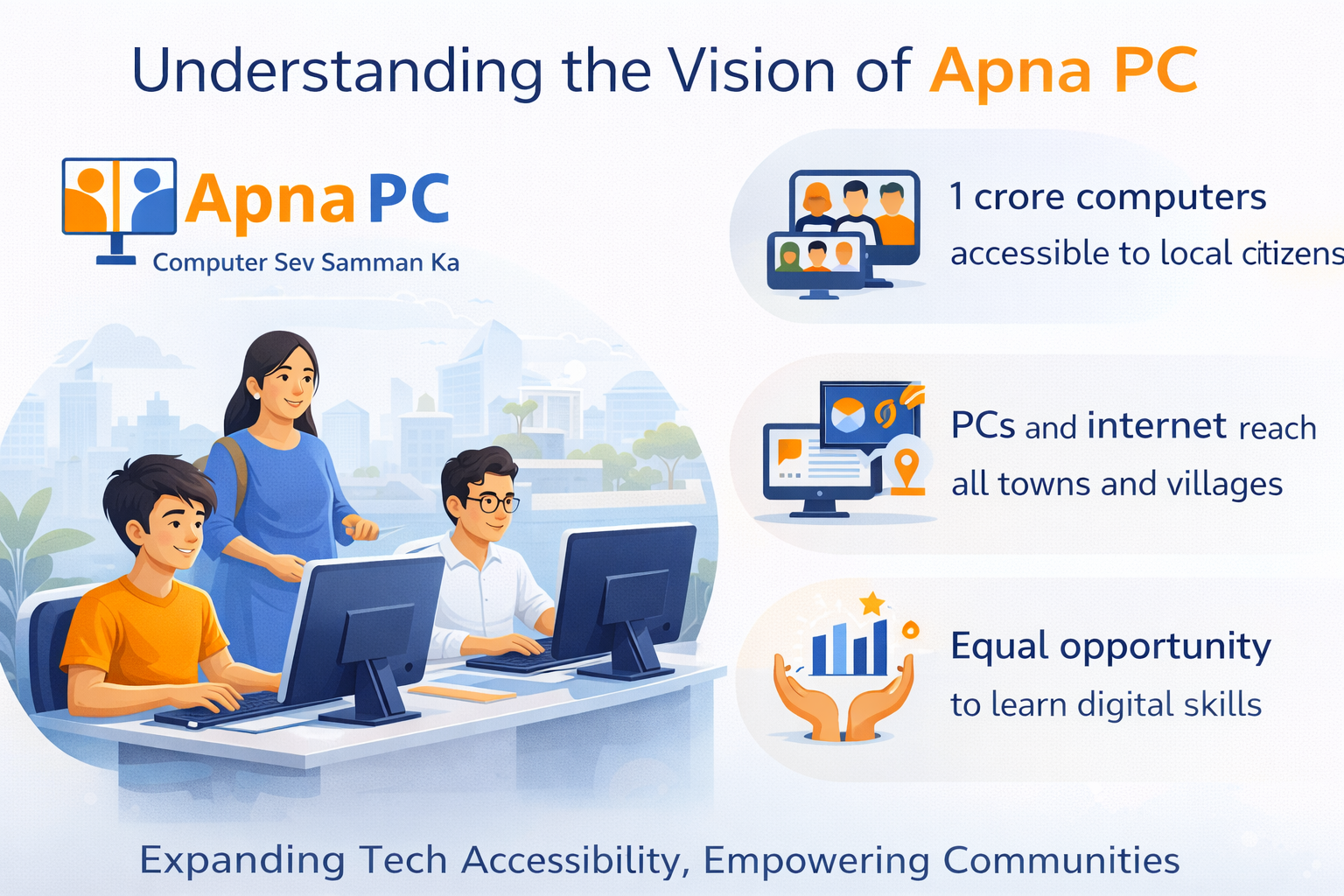
Apna PC was created with a clear and focused vision: to ensure that every child has access to a personal computer for learning.
The initiative recognizes that access to technology is not a privilege it is a right in today’s educational environment. By providing children with computers, Apna PC aims to create equal learning opportunities and promote digital inclusion.
The initiative emphasizes long-term educational impact rather than short-term solutions. A personal computer enables consistent learning, exploration beyond textbooks, and exposure to global knowledge resources.
Why Access to a Personal Computer Matters
A computer is more than just a device it is a gateway to knowledge, creativity, and opportunity. When children have regular access to a computer, they can:
- Participate actively in online and hybrid classes
- Use educational software and learning platforms
- Develop basic computer literacy at an early age
- Explore interests such as coding, design, research, and digital creativity
- Learn independently and build problem-solving skills
Apna PC focuses on creating this foundation so children are better prepared for academic growth and future careers.
Apna PC as a Learning Enabler
Unlike initiatives that focus only on distribution, Apna PC is centered on learning outcomes. The initiative supports a structured approach to digital education, ensuring that children can use technology meaningfully.
Supporting Self-Learning and Curiosity
A personal computer encourages children to take ownership of their learning. Students can explore topics beyond the classroom syllabus, revise concepts at their own pace, and develop curiosity-driven learning habits.
Strengthening School Education
Apna PC also supports schools and educators by enabling digital teaching methods. Teachers can use multimedia content, online assessments, and interactive tools to improve learning outcomes. This enhances classroom engagement and makes lessons more effective.
Building Digital Confidence
Early and consistent exposure to technology builds confidence. Children become comfortable using computers for communication, research, and problem-solving skills that are essential in modern education and professional environments.
Long-Term Impact on Children and Communities
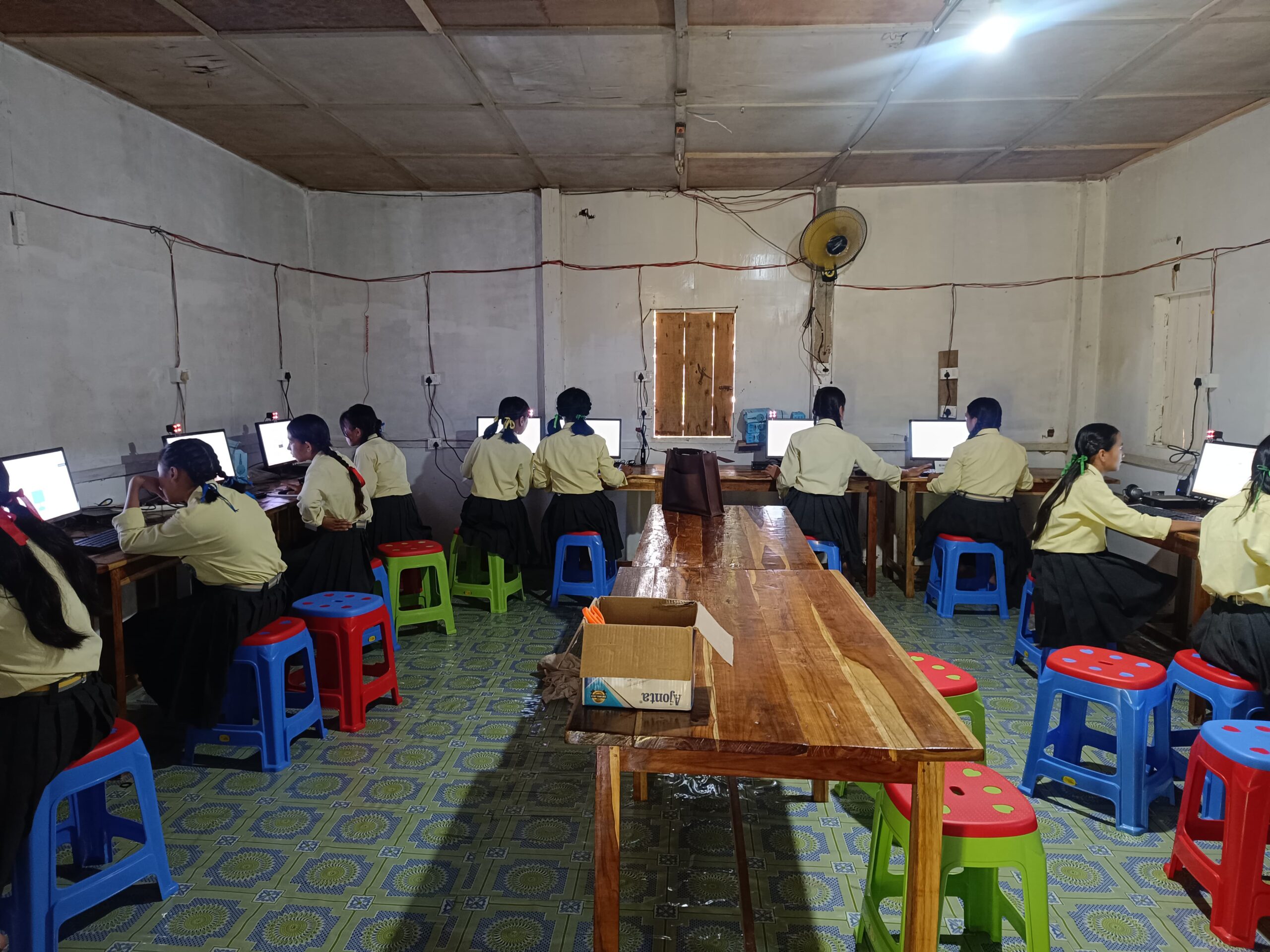
The impact of Apna PC extends beyond individual students. When children gain digital skills, families and communities also benefit. Students often become digital enablers within their households, helping parents and siblings access information and online services.
Over time, this leads to stronger educational outcomes, improved employability, and greater participation in the digital economy. Apna PC contributes to building a generation that is informed, skilled, and confident in using technology.
Aligning with Inclusive and Future-Ready Education
Apna PC aligns with the broader goal of inclusive education, ensuring that no child is left behind due to lack of resources. By reducing the digital divide, the initiative supports equal access to learning opportunities regardless of socio-economic background.
The initiative also aligns with future workforce needs by introducing children to digital tools early. As industries increasingly rely on technology, digital literacy becomes a foundational skill rather than an optional one.
A Step Toward Sustainable Educational Development
Sustainable development in education requires long-term thinking. Apna PC contributes to sustainable educational growth by investing in tools that support continuous learning. The initiative encourages responsible use of technology, self-improvement, and lifelong learning habits among children.
Conclusion
Apna PC is more than an educational initiative it is a step toward educational equality and digital empowerment. By providing children with access to personal computers, the initiative helps unlock potential, nurture curiosity, and prepare students for a technology-driven future. In a world where digital access defines opportunity, Apna PC stands as a meaningful effort to ensure that every child has the tools needed to learn, grow, and succeed.