


When your child finishes their school syllabus ahead of schedule, it’s an exciting milestone. But what comes next? Many parents wonder how to keep their child engaged and academically sharp during this extra time.
The answer lies in strategic exam revision, advanced learning opportunities, and consistent practice tests. This period is not downtime; it’s a golden window to deepen understanding, build confidence, and prepare thoroughly for board exams or competitive assessments.
The answer lies in strategic exam revision, advanced learning opportunities, and consistent practice tests. This period is not downtime; it’s a golden window to deepen understanding, build confidence, and prepare thoroughly for board exams or competitive assessments.
Finishing the syllabus early gives students a significant advantage.
Instead of rushing through topics in the final weeks before exams, they can focus on what truly matters: mastering concepts and strengthening weak areas through targeted exam revision.
Instead of rushing through topics in the final weeks before exams, they can focus on what truly matters: mastering concepts and strengthening weak areas through targeted exam revision.
Why Exam Revision Matters When the Syllabus Is Complete
Completing the syllabus is just the first step. CBSE and other boards design exams to test deep understanding, not surface-level knowledge. Exam revision helps students move from “I’ve read this” to “I can solve any question on this topic.”
When students finish early and begin structured exam revision, they have time to revisit difficult chapters without panic. They can identify gaps in understanding, clarify doubts with teachers, and build a strong foundation before the final exam push begins.
This is also when practice tests become invaluable. Taking mock exams under timed conditions helps students understand exam patterns, manage time better, and reduce exam anxiety.
Advanced Learning: Go Beyond the Textbook
Early completion also opens doors for advanced learning. Students can explore topics in greater depth, solve higher-level problems, or study related subjects that complement their curriculum.
For example, a student who finishes mathematics early might explore real-world applications, attempt competitive exam questions, or learn problem-solving techniques that go beyond their grade level. This builds intellectual curiosity and prepares them for future academic challenges.
Advanced learning doesn’t mean studying harder; it means studying smarter. Quality resources, guided exploration, and mentorship make all the difference. A dedicated learning device like Apna PC can provide access to online courses, educational platforms, and practice materials, enabling this deeper exploration.
Practice Tests: The Bridge Between Learning and Exam Success
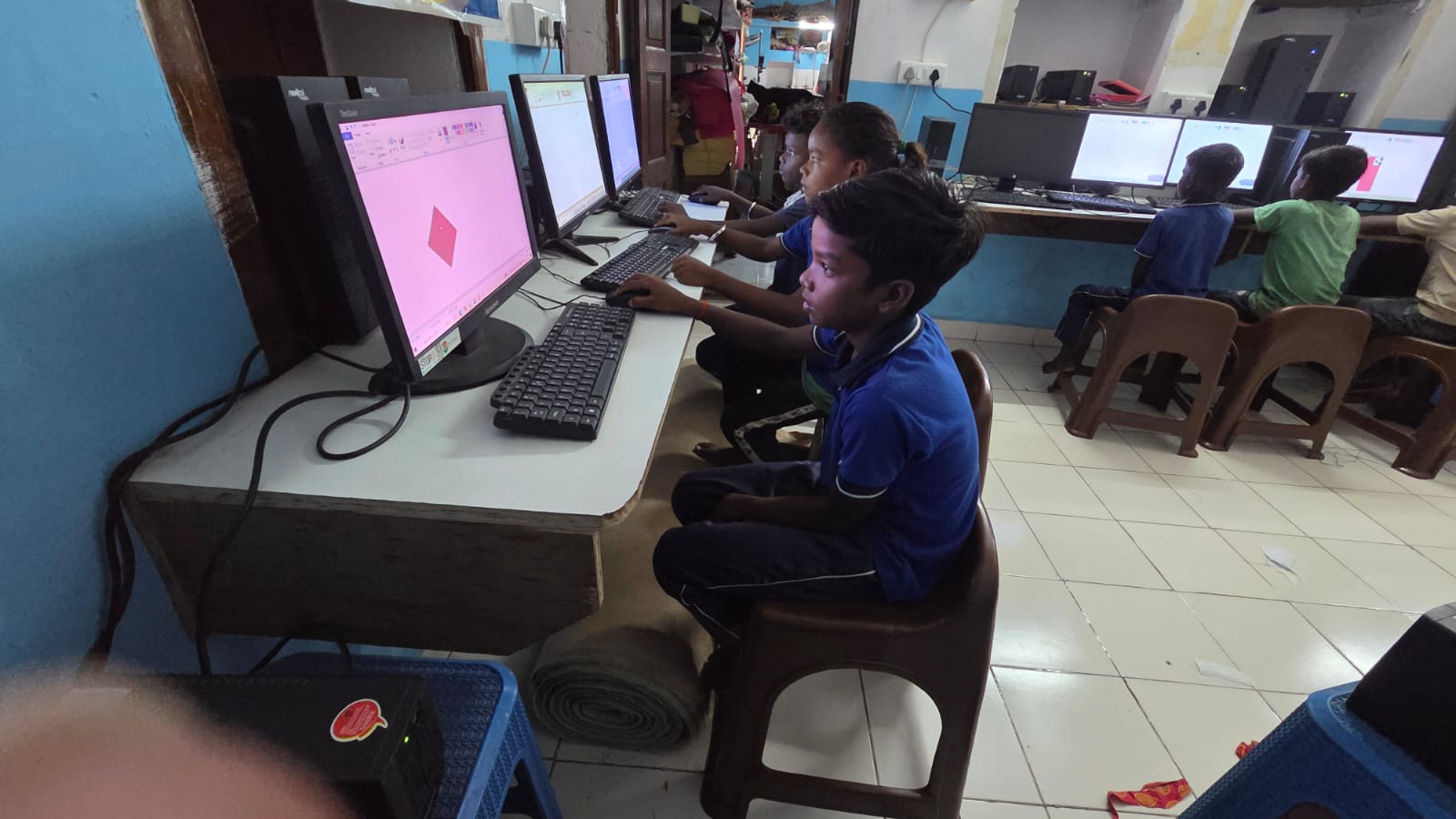
Practice tests are one of the most effective tools for exam preparation. They simulate real exam conditions and help students understand what they know and what they don’t.
When students take practice tests regularly during the exam revision phase, they gain several benefits:
- Identify weak topics and focus revision efforts accordingly.
- Improve time management and answer strategy.
- Build confidence through repeated success.
- Reduce exam anxiety by familiarising themselves with question patterns.
Students should aim to take 2-3 practice tests per week during the exam revision period. A thorough review of mistakes and clarification of concepts should follow each test.
Creating a Structured Exam Revision Schedule
Having extra time doesn’t mean students should slack off. Instead, parents should help create a structured schedule for exam revision and practice.
Here’s a practical approach:
- Week 1-2: Review all chapters completed so far. Take a diagnostic test to identify weak areas.
- Week 3-4: Focus on weak topics with targeted study and practice questions.
- Week 5-6: Take full-length practice tests and review answers thoroughly.
- Week 7+: Continue practice tests, refine strategies, and do final revision of important topics.
Check our Study Hours Guide to understand how many hours your child should dedicate to exam revision based on their grade level.
The Role of Technology in Early Exam Revision
A reliable computer makes exam revision more effective. Students can access online practice tests, watch concept videos, join virtual study groups, and use educational apps that many schools now recommend.
Apna PC, priced at Rs. 21,000, is specifically designed for Indian students. It’s affordable, durable, and has the processing power to run educational software smoothly. With a dedicated device, students can organise their exam revision materials, take online practice tests, and access resources from educational platforms without competing for family devices.
Building Independent Learning Habits
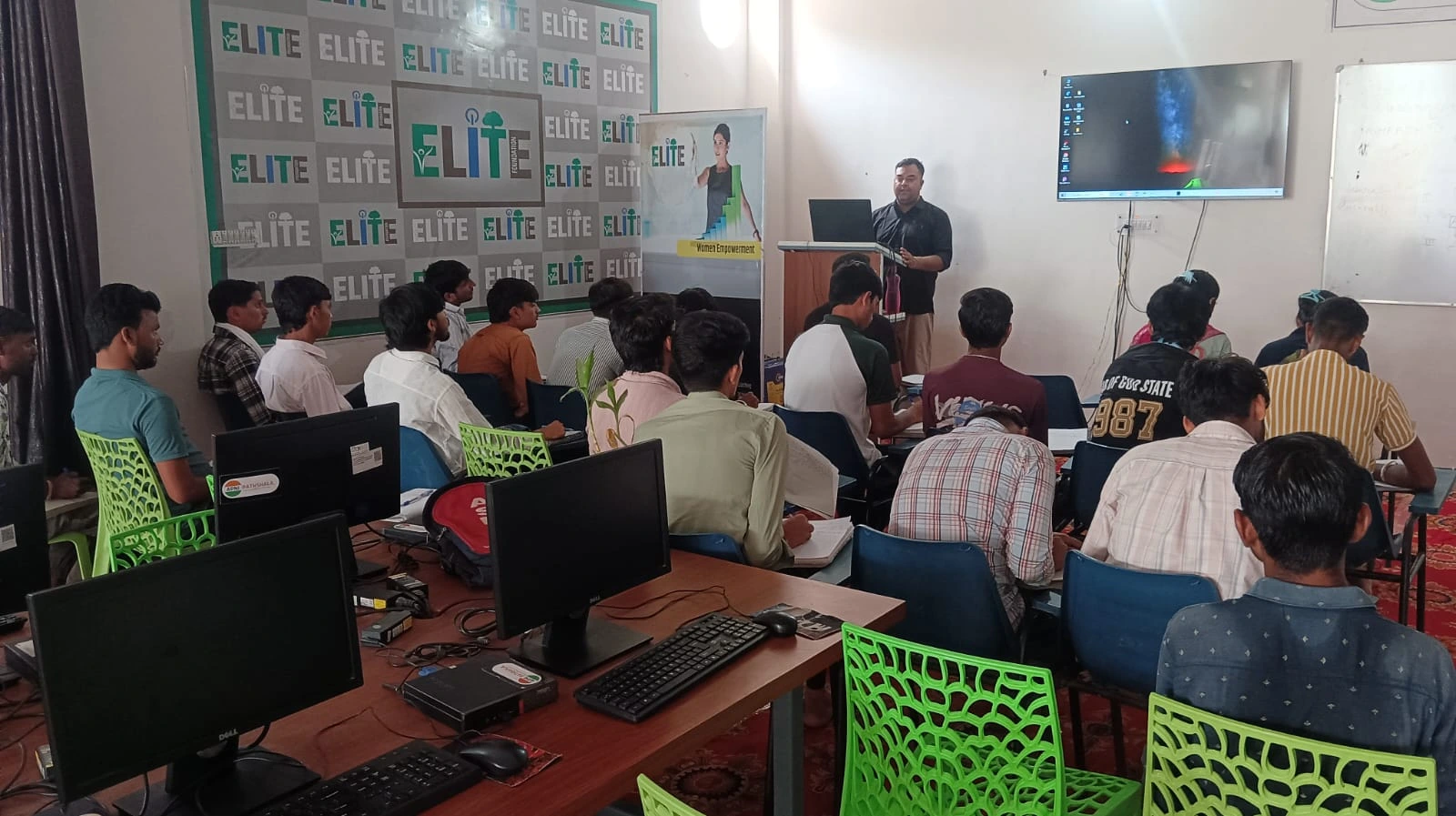
This extra time is perfect for developing independent learning skills. When students manage their own exam revision schedule, choose their practice materials, and track their progress, they become more responsible and self-directed learners.
Encourage your child to set personal goals for the exam revision period. Perhaps they aim to score 95% on a mathematics practice test or complete 50 science practice questions. Personal ownership drives motivation.
Avoiding Common Mistakes During Early Completion
Some students and parents make mistakes when the syllabus finishes early:
- Assuming no further study is needed results in forgotten concepts by exam time.
- Switching to random topics instead of systematic exam revision; this wastes valuable time.
- Skipping practice tests leaves students unprepared for actual exam conditions.
- Neglecting weak areas and focusing only on comfortable topics wastes the advantage of early completion.
Avoid these pitfalls by maintaining a clear exam revision plan focused on gaps and practice.
Finishing the syllabus early is a blessing, not a break. Use this time for thorough exam revision, advanced learning, and consistent practice tests. Your child will enter the exam hall confident, well-prepared, and ready to excel. Visit apnapc.com to learn more about how technology can support your child’s learning journey.