

The world of education and work is changing faster than ever. In 2026, digital skills are no longer optional they are essential life skills. Students are expected not only to use technology, but to understand it, adapt to it, and apply it creatively and responsibly.
From learning and communication to careers and entrepreneurship, digital skills shape how students grow and succeed. Here are the top 10 digital skills every student should learn in 2026 to stay confident, capable, and future-ready.
1. Digital Literacy and Online Safety
Digital literacy is the foundation of all other digital skills. Students must know how to use digital tools responsibly, safely, and effectively.
This includes:
- Understanding reliable vs fake information
- Protecting personal data and privacy
- Practicing safe online behavior
- Recognizing cyber risks
A digitally literate student is not just tech-savvy, but also aware and responsible.
2. Critical Thinking in Digital Spaces
In a world full of information, students must learn how to think not just consume.
Critical thinking helps students:
- Analyze online content
- Question sources and intent
- Solve problems logically
- Make informed decisions
Digital tools should encourage thinking, not passive scrolling.
3. Basic Coding and Computational Thinking
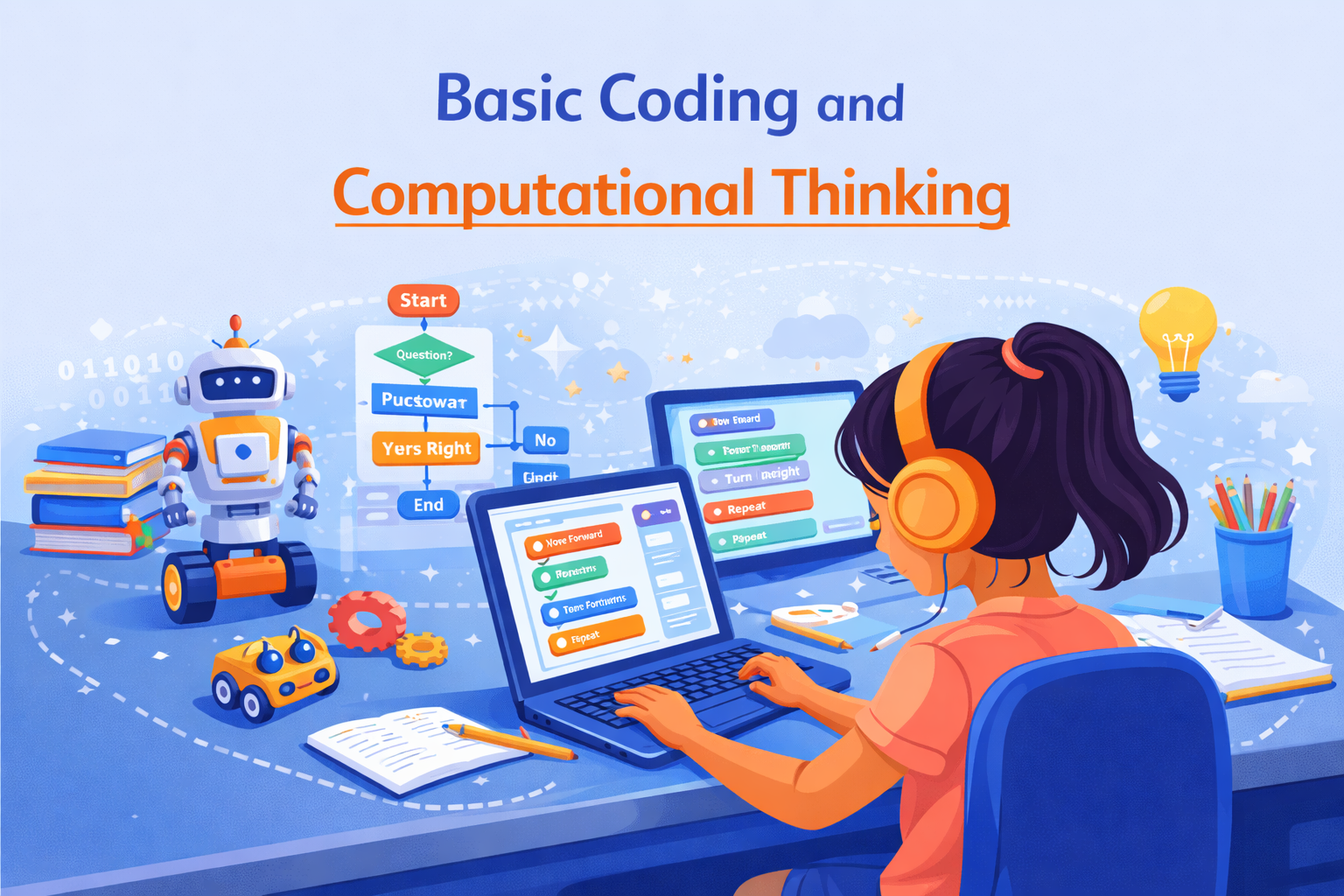
Coding is not only for programmers anymore. Learning basic coding teaches students how technology works and how problems are broken down into steps.
Skills include:
- Understanding logic and sequences
- Learning beginner languages or visual coding
- Developing problem-solving habits
Coding builds confidence and prepares students for future tech-driven careers.
4. Effective Online Communication
In 2026, communication happens largely online. Students must learn how to express themselves clearly and respectfully in digital environments.
This includes:
- Writing emails and messages professionally
- Participating in virtual discussions
- Collaborating online with peers
- Understanding digital etiquette
Strong online communication skills are essential for academics and careers.
5. Information and Research Skills
Knowing how to search for information is different from knowing how to research.
Students should learn:
- How to find accurate information
- How to compare sources
- How to organize digital data
- How to avoid misinformation
These skills support academic success and lifelong learning.
6. Creativity Using Digital Tools
Digital platforms offer endless opportunities for creativity. Students should learn how to create, not just consume.
Creative digital skills include:
- Designing presentations
- Writing and storytelling
- Creating videos or simple graphics
- Expressing ideas visually
Creativity helps students stand out and build confidence in their abilities.
7. Time Management and Focus in a Digital World
Technology can be helpful or distracting. Learning how to manage time and focus is a critical skill in 2026.
Students should practice:
- Setting screen-time limits
- Prioritizing tasks
- Using digital tools productively
- Avoiding unnecessary distractions
These habits improve learning outcomes and mental well-being.
8. Collaboration and Teamwork Using Technology

Modern learning and work environments rely heavily on collaboration. Students must learn how to work with others using digital tools.
This includes:
- Sharing ideas online
- Working on group projects
- Respecting different viewpoints
- Managing responsibilities digitally
Collaboration builds communication, leadership, and teamwork skills.
9. Adaptability to New Technologies
Technology evolves constantly. Students must learn how to adapt rather than fear change.
Adaptability means:
- Being open to learning new tools
- Exploring new platforms confidently
- Solving unfamiliar problems
- Learning independently
This mindset prepares students for future innovations.
10. Ethical and Responsible Use of Technology
With great access comes great responsibility. Students must understand the ethical side of technology use.
This includes:
- Respecting others online
- Avoiding plagiarism
- Using AI and digital tools ethically
- Understanding digital impact on society
Responsible tech use builds character and trust.
Why These Skills Matter in 2026
The future belongs to students who can:
- Think critically
- Learn independently
- Adapt quickly
- Use technology with purpose
These digital skills prepare students not just for exams, but for real-world challenges.
Role of Parents and Educators
Parents and educators play a crucial role in guiding students toward healthy digital habits. Encouraging curiosity, balance, and responsibility helps students use students use technology as a learning tool not a distraction.
Support and guidance make digital learning meaningful.
Conclusion
In 2026, digital skills are life skills. Students who learn these ten essential skills will be better prepared for education, careers, and personal growth.
The goal is not to use more technology but to use it wisely, creatively, and responsibly. When students master these skills, they are ready for the future.