

Rajesh’s Dilemma: Why a Computer Alone Won’t Fix Study Motivation
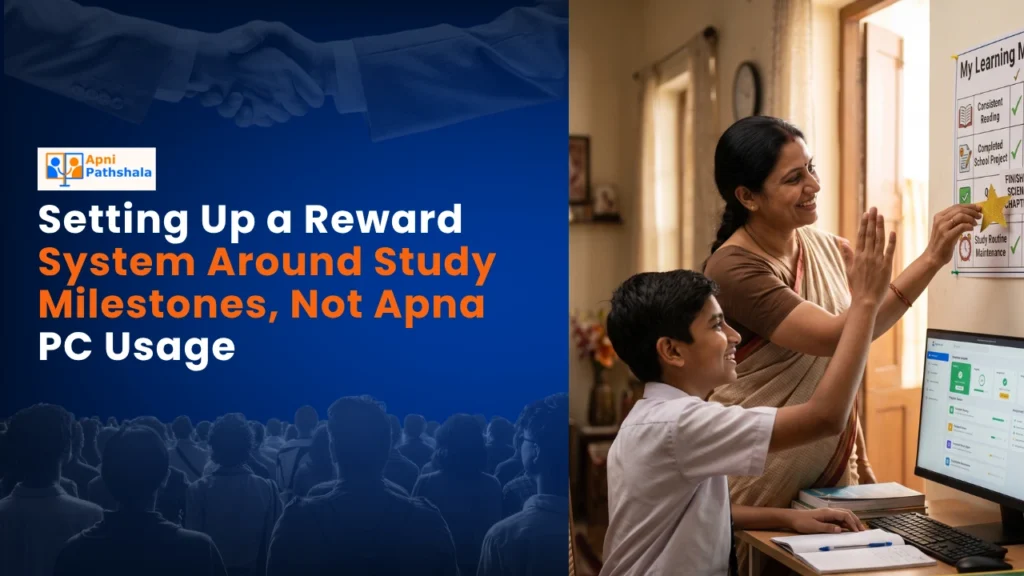
Rajesh sat in his Pune apartment, staring at the Rs.30,000 price tag on Apna PC. His son Aditya, a Class 7 student, had been struggling with math. “If I buy him a good computer, he’ll study more,” Rajesh thought. But his wife Priya wasn’t convinced. “He’ll just play games,” she said. Their worry is real, and thousands of parents share it across Tier-2 and Tier-3 cities in India. The truth is, a computer won’t create motivation to study on its own. What will? A reward system around study milestones, not Apna PC usage.
You’ve probably felt this tension too. Your child needs technology for education, but you’re afraid it’ll become a distraction. The solution isn’t to avoid computers. It’s to build the right incentive structure around learning goals, not screen time.
Why Rewards for Computer Time Kill Study Motivation
Let’s be honest: rewarding your child for using Apna PC is backwards. When you say “Study for 2 hours on the computer, and you’ll get chocolate,” you’re tying the reward to the tool rather than the achievement. Your child learns that the computer is the goal, not learning itself. This approach kills study motivation over time.
This is where most parents go wrong. They think buying quality hardware, like an Apna PC, will automatically boost study habits. But study habits with Apna PC improve only when you pair the device with smart motivation strategies. The device is just the foundation.
Research from the Ministry of Education and studies on Education in India show that intrinsic motivation (doing something because you want to) beats external rewards every time. Your child needs to understand why they’re learning, not just what they’re getting out of it.
Building a Reward System Around Real Study Milestones
Here’s what actually works for building lasting motivation to study. Instead of rewarding computer usage, reward completion of study milestones. A clear reward system tied to learning goals changes everything. A milestone is a specific, measurable learning goal. Not “study math for an hour.” But “score 8 out of 10 on this algebra test” or “complete 5 coding projects in Scratch.”
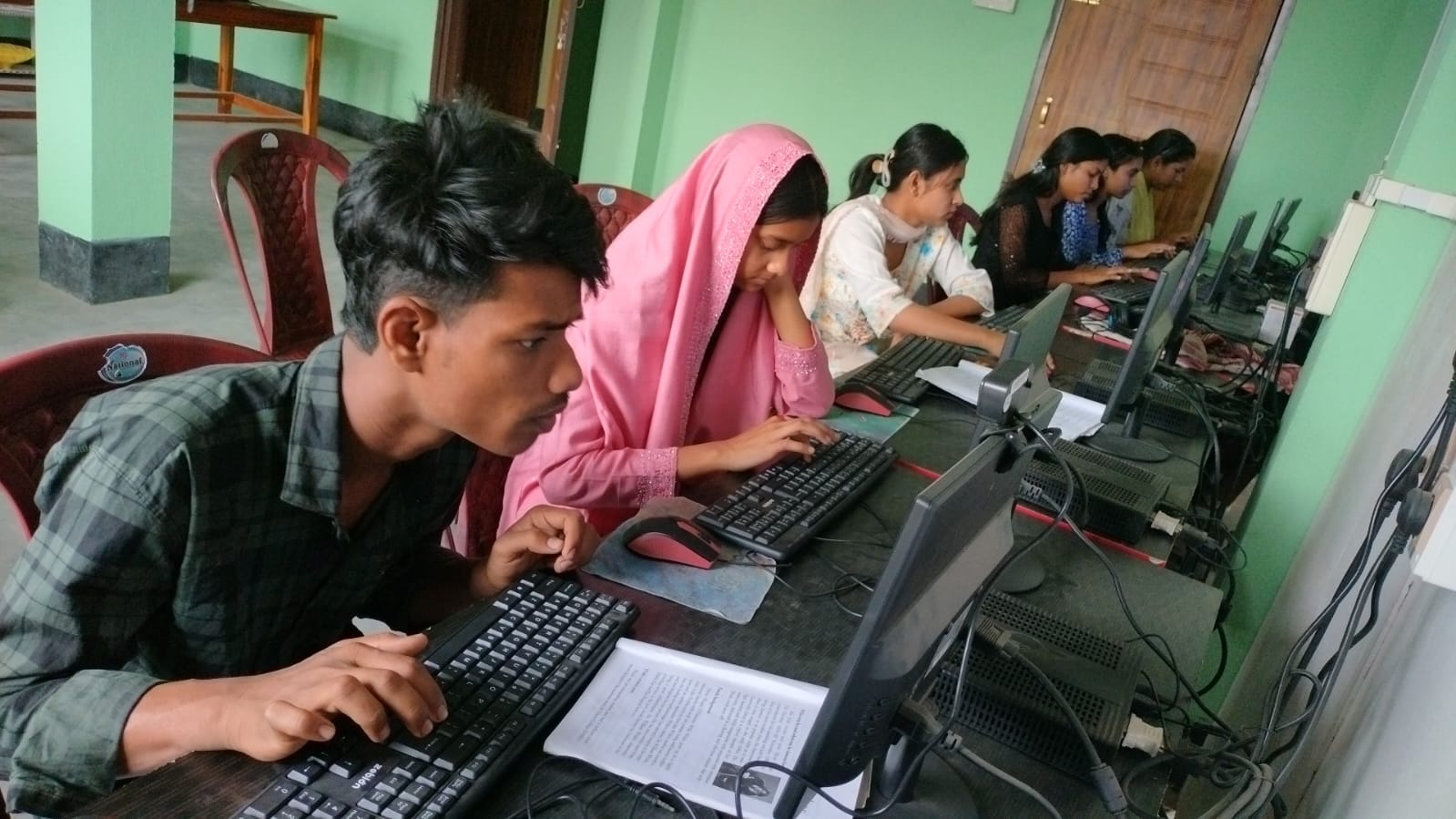
Apna PC comes pre-loaded with Scratch, LibreOffice, and Apni Prerna (our student monitoring tool). These aren’t just software. They’re pathways to real achievements. Your child can see progress. They can build something. They can show you results.
Here’s a practical framework you can use right now:
- Weekly Milestone: Complete 3 math chapters and score 70% on a test. Reward: Extra 30 minutes gaming time or a small snack they love.
- Monthly Milestone: Finish all assigned projects in Scratch. Reward: A trip to their favourite local spot or Rs.200-300 for something they want.
- Term Milestone: Improve overall grades by one letter—reward: Something bigger, like new stationery, a book, or a small gadget.
Notice something? The rewards aren’t tied to computer time. They’re tied to learning outcomes. Your child’s brain starts connecting effort to results, not devices to treats. This is how real study motivation takes root. A well-designed reward system makes this shift automatic.
How Apna PC Supports Your Reward Strategy
Apna PC is built for this exact approach. With 8GB RAM and 128GB SSD, it handles educational software smoothly without lag. Zorin OS is student-friendly and distraction-free. Apni Prerna lets you, working parents, monitor Apna PC usage in real time, so you can see what your child is actually doing.
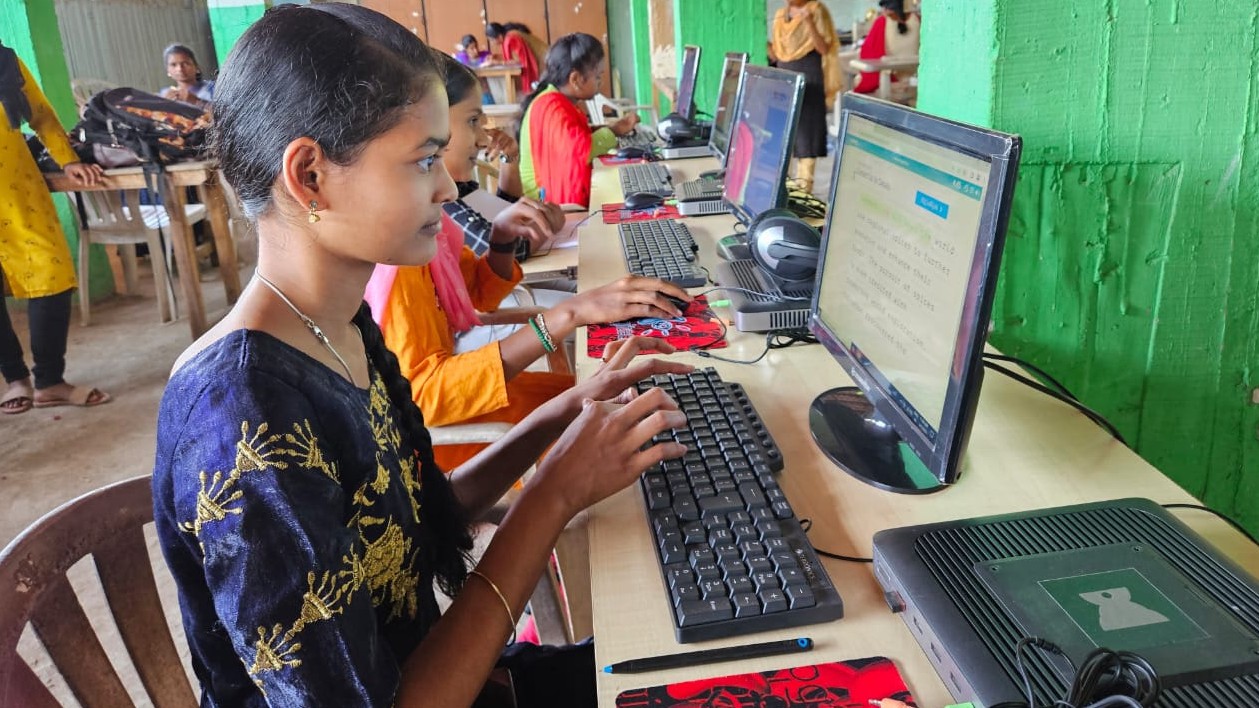
But here’s the key: the computer supports your reward system. It doesn’t replace it. When your child completes a Scratch project (a real milestone), they’re using Apna PC as a tool for achievement. When they score well on a test using LibreOffice for notes, they’ve earned their reward through learning, not through screen time.
The monitoring feature in Apni Prerna is especially powerful for parents. You can see which apps your child uses, how long they study, and when they take breaks. This data helps you set realistic milestones and track progress honestly.
Making Study Motivation Work in Your Family
Not every reward needs to cost money. In Tier 2 and Tier 3 cities, parents often use creative rewards. Extra time with a parent, a favourite home-cooked meal, permission to stay up late on weekends, or a trip to the local park. These feel personal and show your child that you’re invested in their success.
The most powerful reward? Your genuine praise. When your child hits a milestone, sit with them. Ask them to explain what they learned. Show real interest. This teaches them that learning itself is valuable, not just the reward at the end.
Start small. Pick one subject your child struggles with. Set one clear milestone for this week. Use Apna PC to help them study. When they hit it, celebrate genuinely. Then build from there. Your child will start seeing the computer as a tool for success, not a source of distraction.
The shift from “computer usage rewards” to “learning milestone rewards” changes everything. Your child’s motivation to study grows naturally as they pursue real achievements, not screen time. Apna PC becomes the enabler of that journey, not the destination.
Your family’s path to better study habits starts with the right incentive structure. Reward the milestones, support them with quality tools, and watch your child’s motivation transform. Visit apnapc.com to learn more.