

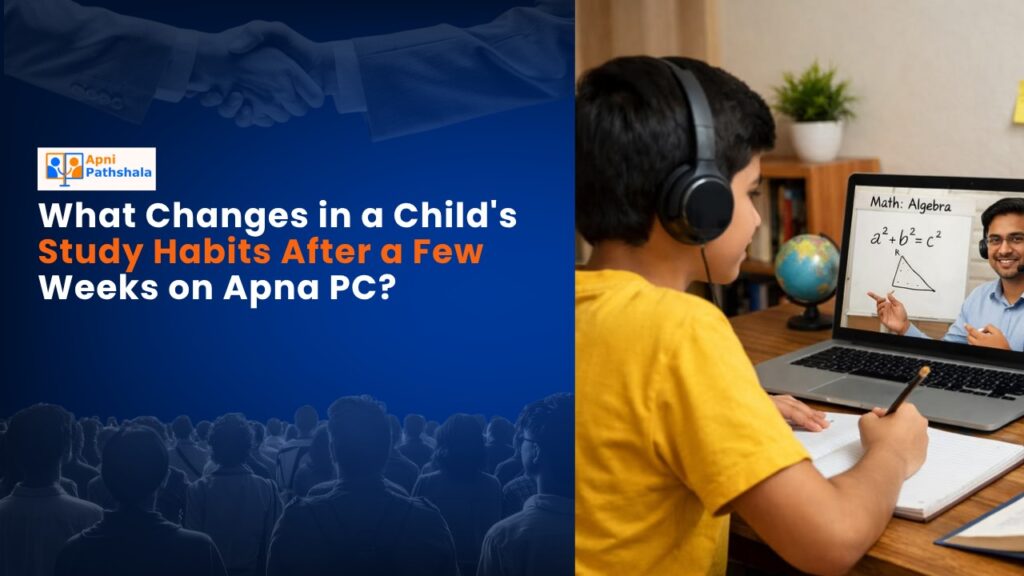
The Sharma Family’s First Month with Apna PC
Rohit Sharma sat in his small flat in Indore, watching his 11-year-old son Aditya stare at a blank notebook for the third evening in a row. The boy wasn’t lazy, but his study habits had become scattered. He’d flip between textbooks, lose focus after ten minutes, and complain that learning felt boring. When Rohit’s sister mentioned Apna PC, an educational computer designed for Indian students, he wasn’t sure whether buying a Rs. 30,000 device would actually change anything. But within a few weeks of Aditya using Apna PC, Rohit noticed something remarkable. His son’s study habits had completely transformed.
How Study Habits Shift in the First Few Weeks
When your child first sits down with Apna PC, something clicks differently than with a regular laptop or tablet. The device comes preloaded with Apni Prerna, a student-monitoring system that helps kids structure their learning routine without feeling like they’re being watched. It’s not surveillance, it’s guidance.
In the first week, you’ll notice your child stops wandering between YouTube and homework. The Zorin OS interface is clean and distraction-free, designed specifically for learning. With 8GB RAM and 128GB SSD, everything loads instantly, so there’s no excuse to get frustrated and quit.
By week two, the real changes start showing up:
- Consistent timing: Your child begins sitting down at the same time each day, almost automatically
- Longer focus periods: What used to be 10-minute study bursts becomes 30-40 minute sessions
- Better organisation: LibreOffice helps them structure notes and assignments properly
- Creative engagement: Scratch programming tool makes learning feel like play, not punishment
Aditya started using Scratch to build small games based on his math lessons. What began as curiosity turned into a genuine interest in problem-solving. His mother noticed he’d ask questions about logic and sequences without being prompted.
Building a Strong Learning Routine
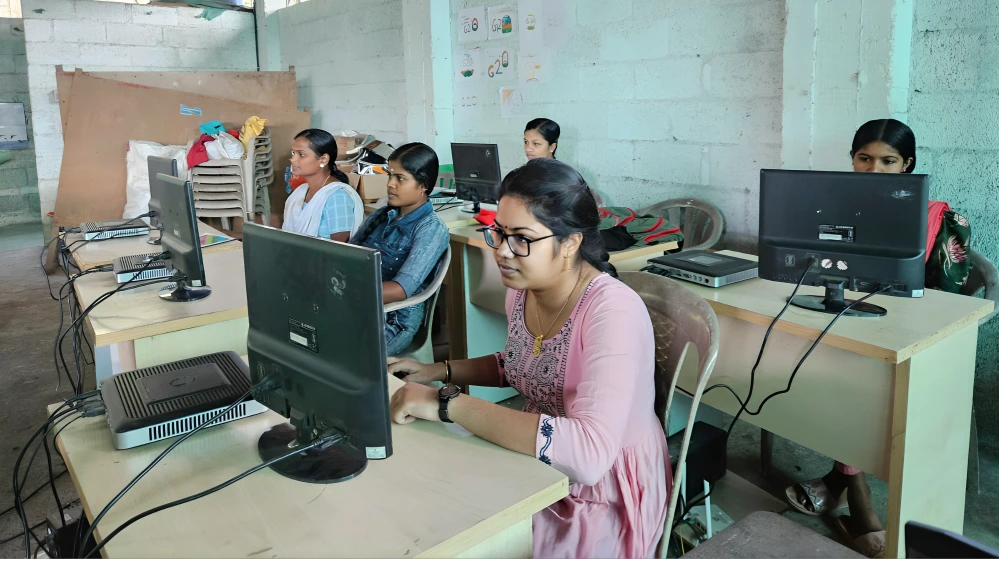
A proper learning routine isn’t something you force. It develops when the right tools are available. Apna PC creates that environment naturally.
Your child’s brain begins to recognise the device as a place for focused work rather than entertainment. The pre-loaded educational software means there’s no time wasted searching for legitimate learning resources. Everything’s already there, organised, and ready to use.
After three weeks, Aditya’s mother reported that he’d started making his own study schedule. He’d block time for different subjects and actually stick to it. More importantly, his test scores improved by 12-15 per cent in the next monthly assessment.
This isn’t magic. It’s what happens when you remove friction from the learning process. When your child doesn’t have to fight with slow software or deal with distracting ads, they can actually focus on building better study habits.
Student Progress Becomes Visible
Here’s what parents in tier-2 and tier-3 cities often struggle with: knowing whether their child is actually making progress. With Apna PC, you get real feedback through Apni Prerna.
You can see which subjects your child spends time on, how long they’re actually studying, and where they’re getting stuck. This data helps you understand your child’s learning patterns better than any report card can.
Rohit started having different conversations with Aditya. Instead of asking “Did you study?”, he’d ask “I noticed you spent 45 minutes on science today. What part are you finding tricky?” The quality of parental involvement improved dramatically.
On Apna PC for school projects, students also reported completing assignments faster and to a higher standard. One parent from Nagpur mentioned her daughter finished a science fair project three weeks earlier than expected, and it was significantly more detailed than her previous work.
Study Habits That Last Beyond Exams
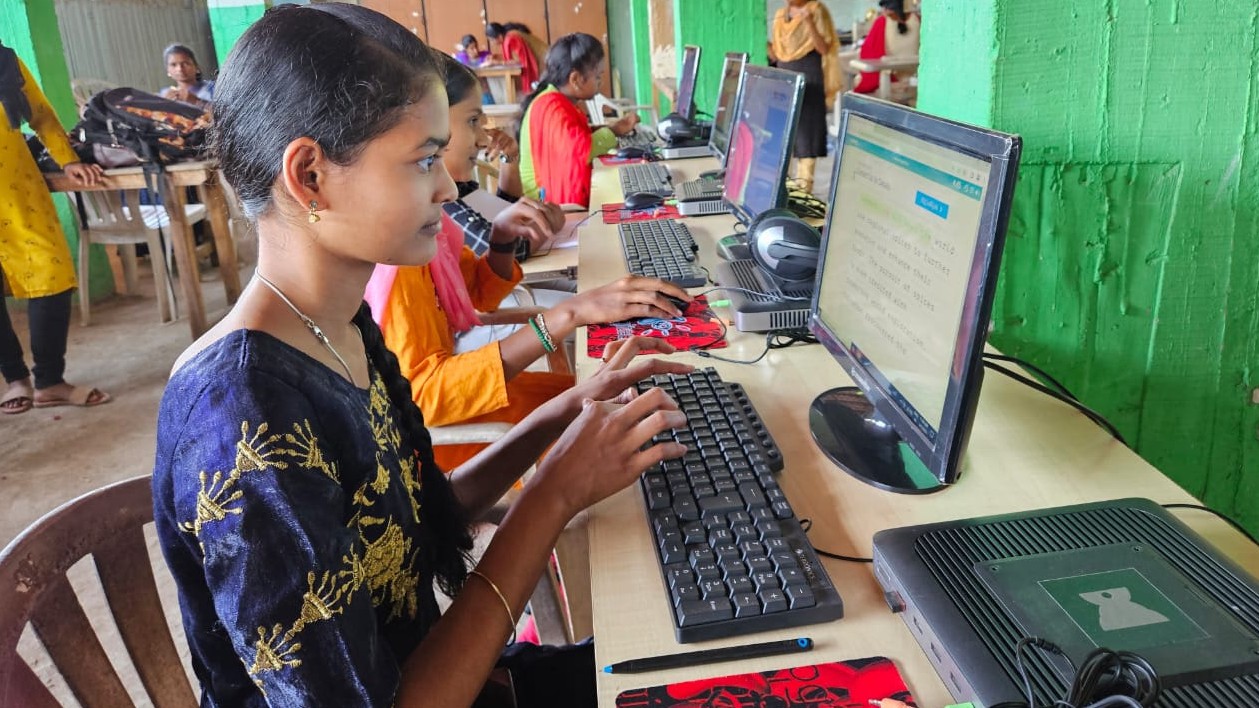
What really stands out is how study habits improve even for competitive preparation. If your child is preparing for scholarship exams and olympiads, Apna PC becomes a serious advantage.
The device’s reliability means your child can practice mock tests without worrying about crashes or lag. The 128GB SSD stores years’ worth of practice materials. The 8GB RAM handles multiple tabs and resources simultaneously.
According to India Ministry of Education, consistent practice with proper tools is one of the strongest predictors of student success. UNESCO education research also highlights how the right technology removes barriers to learning for students in smaller cities.
What Parents Should Expect
You won’t see changes overnight. But after two to three weeks, you’ll notice your child’s relationship with studying has shifted. They’ll be more organised, more focused, and genuinely more interested in learning.
The study habits that develop on Apna PC aren’t temporary. They stick because they’re built on a foundation of consistency and genuine engagement, not forced discipline.
If you’re a parent in Indore, Nagpur, Jaipur, or any tier-2 or tier-3 city wondering whether an educational computer is worth the investment, the answer is clear from families like the Sharmas. Your child’s study habits will transform in ways you didn’t expect.
Start your child’s learning journey with a device built specifically for Indian students. Visit apnapc.com to learn more.