


Rajesh’s Dilemma: When Studying Becomes Scattered
Rajesh sat at his desk in Indore, juggling three subjects at once. His son Arjun was preparing for his board exams, and the boy switched between mathematics, history, and English every fifteen minutes. “Beta, you’re covering so much ground,” Rajesh thought proudly. But Arjun’s marks didn’t improve. In fact, they dropped. The problem wasn’t laziness or lack of effort. It was multitasking between subjects, a habit that’s destroying your child’s learning potential without you even realising it.
Most parents in tier 2 and tier 3 cities believe that multitasking makes studying efficient. You think your child is doing more by jumping between subjects. The truth is harsh: multitasking between subjects hurts more than it helps. Your brain can’t actually focus on two things at once, no matter how smart your child is.
Why Multitasking Between Subjects Overloads Your Brain
When your child switches from solving a math problem to reading history, their brain needs time to shift gears. Scientists call this “context switching,” and it costs precious mental energy. Every time Arjun moved from one subject to another, his brain had to reload information, remember where he left off, and start fresh.
This switching takes between 15 and 25 minutes for the brain to settle into a new task fully. So if your child studies math for 20 minutes, then switches to history, they’ve wasted most of that time just getting their brain ready. They’re not actually learning deeply. They’re just skimming the surface.
- Short-term memory gets overloaded: Your child can’t hold concepts from multiple subjects at the same time.
- Focus becomes shallow: Deep learning requires at least 45 minutes of uninterrupted focus on one subject.
- Mistakes multiply: A scattered mind makes careless errors that cost marks.
- Retention drops: Information studied while multitasking rarely stays in long-term memory
The student who focuses on one subject for 90 minutes will score better than the one who bounces between three subjects in the same time.
The Real Cost of Multitasking Between Subjects
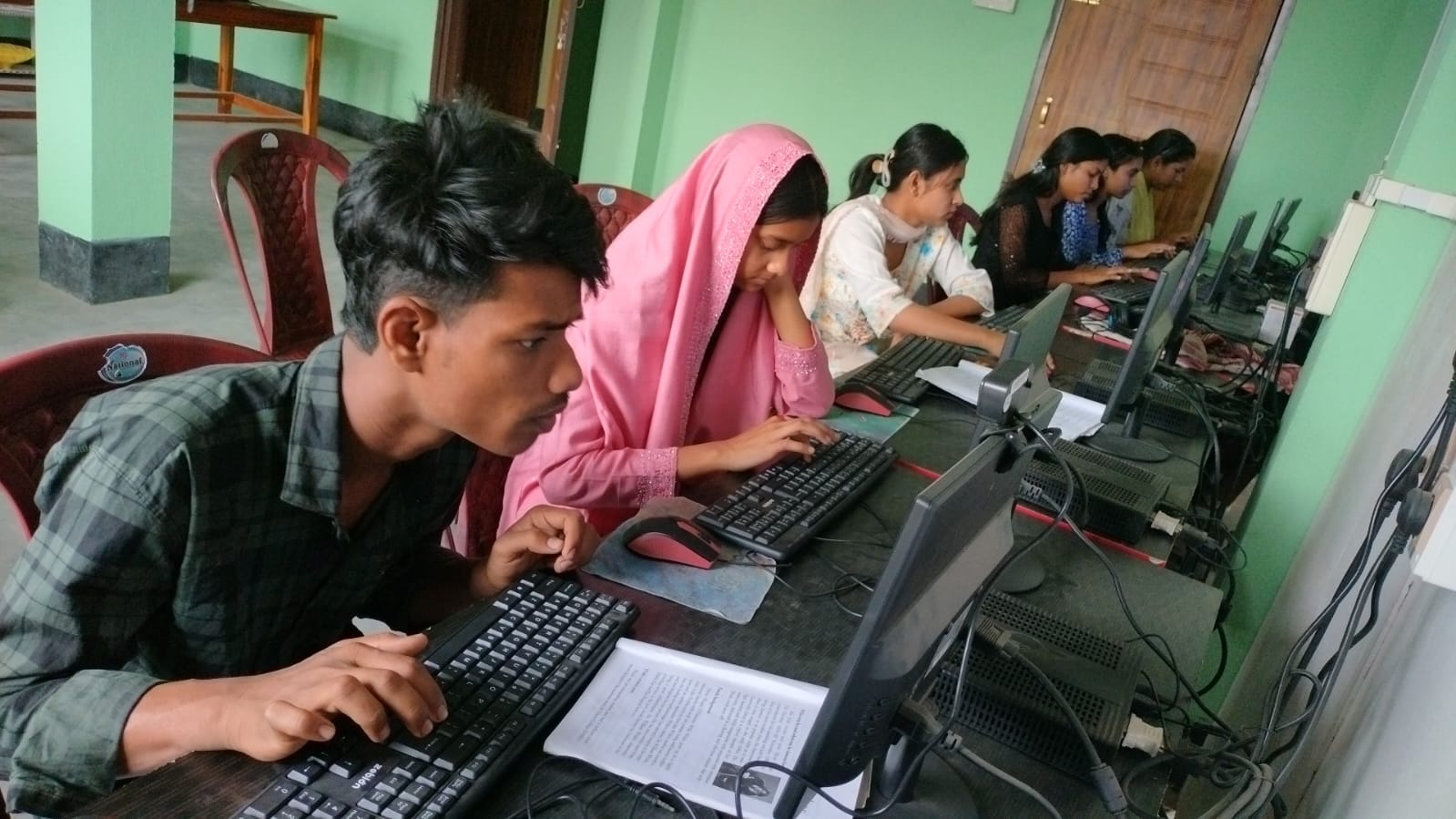
You’re probably thinking your child needs to cover all subjects equally. That’s true, but not all at once. When Arjun finally switched to studying one subject for a full hour, his performance jumped by 20 per cent within two weeks.
Multitasking creates what researchers call “attention residue.” Part of your child’s brain is still thinking about the math problem while they’re reading history. This split focus means they’re never fully present in what they’re learning. Your child might spend three hours studying but retain only 40 per cent of what they read.
Parents often don’t see this cost immediately. Your child looks busy. They’re sitting at their desk. But busy isn’t the same as productive. A focused 60-minute study session beats a scattered three-hour marathon every single time.
How to Build a Better Study Routine
Start by creating a simple study plan that dedicates specific time blocks to each subject. Monday morning could be mathematics for 90 minutes. Then a 15-minute break. Then history for 90 minutes. This structure removes the decision-making that causes them to jump around.
Your child’s study environment matters too. If they’re studying on a regular laptop or phone with notifications popping up, they’re already multitasking with distractions. The Apna PC comes pre-loaded with Zorin OS and Apni Prerna, a student monitoring system that blocks distracting websites during study time. This keeps your child focused on one subject without the pull of social media or games.
Use retrieval practice techniques within each subject block. Instead of re-reading history notes, your child should test themselves on what they learned. This active recall keeps the brain engaged and prevents the wandering that leads to subject jumping.
What Good Focus Actually Looks Like

When your child studies one subject with real focus, you’ll notice specific signs. They ask questions about concepts they don’t understand. They make connections between ideas. They feel tired after studying because their brain actually worked hard. This is learning. This is what leads to better marks.
According to the Ministry of Education, students who practice focused studying perform significantly better in board exams than those who multitask. The research is detailed. Your child’s brain works better when it’s dedicated to one thing.
The Apna PC, priced at Rs.30,000 (shipping and GST excluded), is designed specifically for this kind of focused learning. With 8GB RAM and 128GB SSD, it runs smoothly without the lag that tempts children to switch tasks. LibreOffice lets your child create organised notes. Scratch teaches coding logic that strengthens problem-solving skills. The entire system supports deep, uninterrupted focus on what matters.
Making the Switch Today
Rajesh changed Arjun’s study approach starting next week. No more subject jumping. One subject per time block. Within a month, Arjun’s confidence grew. His marks improved. He wasn’t studying more hours, just smarter hours.
Your child can have the same transformation. Stop letting multitasking steal your child’s potential. Build a study routine around focused blocks. Remove digital distractions with the right tools. The Apna PC gives your child an environment built for this kind of learning, not for scattered studying. Visit apnapc.com to learn more.