

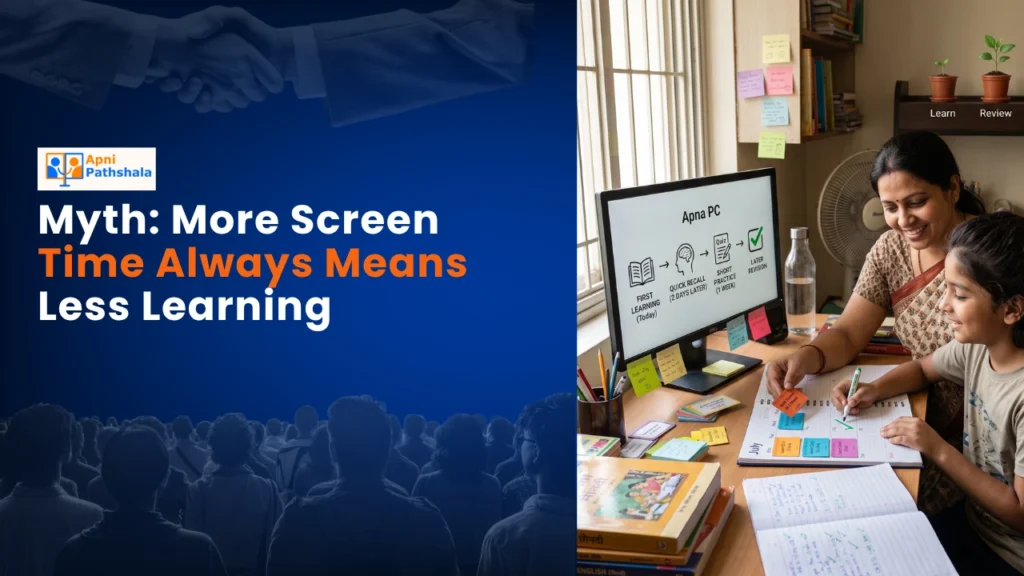
The Story of Ravi’s Technology Struggle
Ravi’s mother sat in their Indore living room, watching her 10-year-old son stare at the old laptop screen for what felt like hours. The device was slow, the fan rattled constantly, and she worried that every minute on that screen was stealing her son’s childhood. Like many parents in tier 2 cities, she believed one simple truth: more screen time means less learning. But what happened next changed everything about how she thought about digital learning.
When Ravi’s school switched to online classes during the pandemic, his mother’s fears grew. She saw him hunched over the laptop, eyes tired, and assumed the worst. She didn’t realise that the real problem wasn’t screen time itself. It was what kind of activity happened on that screen, and for what purpose. Your child’s relationship with technology depends entirely on how it’s used, not just how long it’s used.
Why Screen Time Isn’t the Real Enemy
The myth that all technology use damages learning comes from a misunderstanding. Studies show that passive consumption (watching random videos or scrolling) does hurt focus and learning. But active use (coding, creating, solving problems) actually builds skills. Your child’s brain responds differently when they’re typing a story than when they’re watching cartoons.
Think about the difference between these two scenarios. Scenario one: a child watches YouTube videos for two hours. Scenario two: a child spends 90 minutes learning to code using Scratch, then spends 30 minutes on math problems. Both involve screens, but the learning outcomes are completely different. The quality of what’s on the screen matters far more than the quantity of time spent looking at it.
The government’s Digital India initiative recognises this truth. Digital literacy isn’t optional anymore. Your child needs to understand information technology to succeed in school and career. Avoiding screens won’t help them. Learning to use them wisely will.
What Your Child Actually Learns Through Smart Technology Use
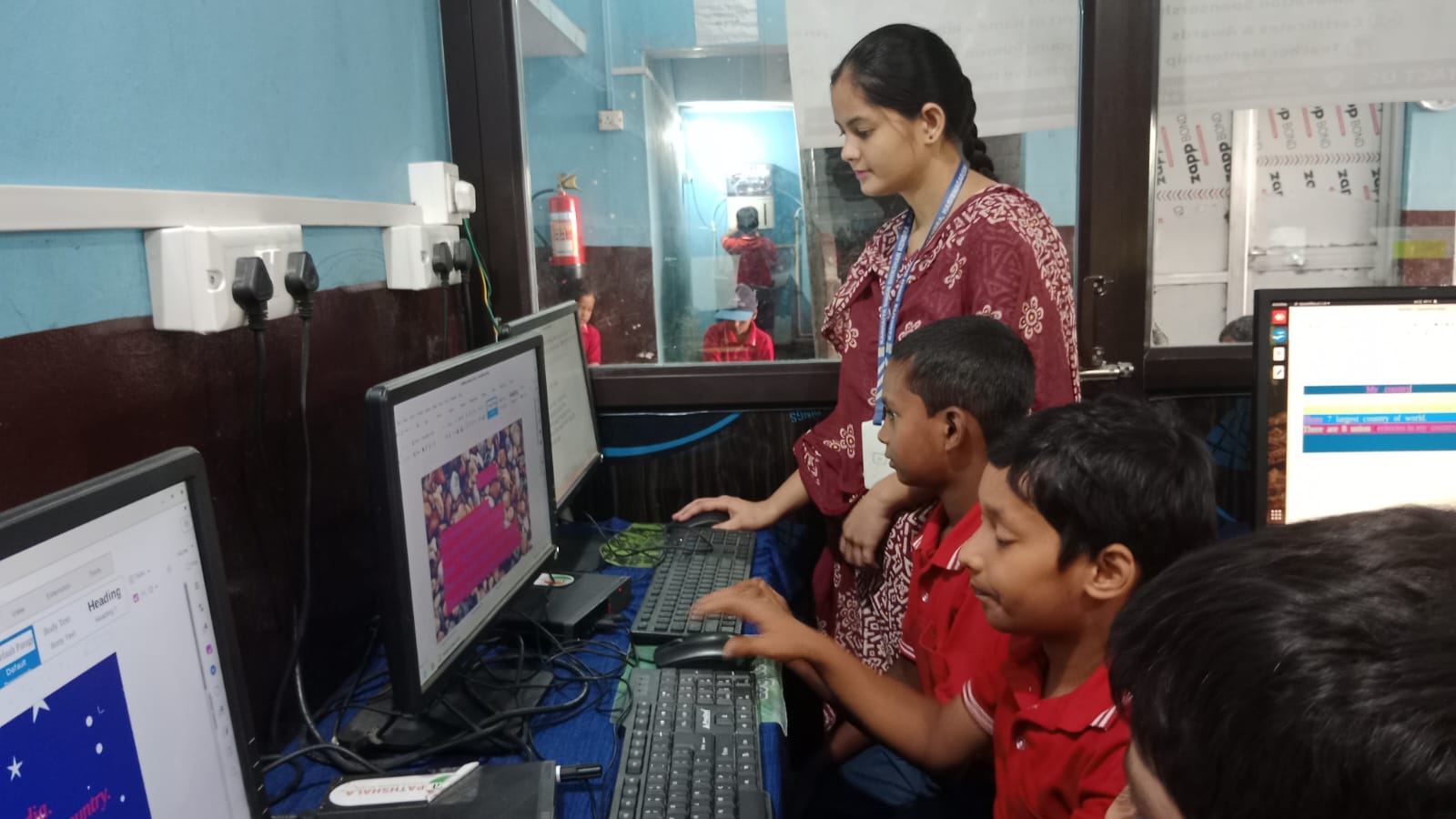
When digital learning is structured and purposeful, incredible things happen. Children develop problem-solving skills, logical thinking, and creativity. They learn patience, persistence, and how to break complex tasks into smaller steps. These aren’t skills they’d develop by avoiding technology. They develop them by using it the right way.
Consider what your child gains through educational software:
- Coding and programming: Teaches your child to think like a computer scientist, breaking problems into steps
- Digital creation: Building presentations, editing documents, or making videos develops communication skills
- Interactive learning: Simulations and educational games make abstract concepts concrete and memorable
- Self-paced progress: Your child can learn at their own speed without feeling rushed or held back
- Instant feedback: Educational tools show your child immediately what they got right or wrong, speeding up learning
The key difference is focus. When your child learns with a device built for education, not entertainment, the brain engages differently. A device loaded with educational software, without games or social media distractions, creates an environment where digital time actually becomes learning time.
The Device Matters More Than You Think
Not all screens are created equal. Your old family laptop, with dozens of programs, constant notifications, and slow performance, creates stress and distraction. Your child’s attention gets pulled in multiple directions. The experience teaches them that technology is frustrating, not that learning through it is powerful.
This is why Apna PC exists. It’s built specifically for learning. Pre-loaded with Zorin OS, Scratch for coding, LibreOffice for document creation, and Apni Prerna for student monitoring, it removes distractions and keeps your child’s energy focused on learning. The 8GB RAM and 128GB SSD mean no lag, no waiting, no frustration. Your child can focus on the work, not fight with the machine.
When your child uses a device designed for independent learning, something shifts. They stop seeing technology as passive entertainment. They start seeing it as a tool for creating, solving, and discovering. The experience builds confidence and genuine digital literacy.
What Research Actually Shows About Screen Time
Parents in tier 2 and tier 3 cities often worry based on headlines they’ve heard. But the research is more nuanced than “screens are bad.” Studies distinguish between different types of use. Educational technology with parental involvement shows positive effects on learning outcomes. Unstructured, passive consumption shows negative effects.
Your role as a parent isn’t to eliminate screens. It’s to be intentional about them. Ask yourself: Is my child creating or consuming? Are they solving problems or just watching? Is the device helping them focus or constantly distracting them? These questions matter far more than the number of minutes spent on a device.
The myth persists because it’s simpler than the truth. The truth requires you to think about quality, purpose, and the right tools. But when you do, your child’s relationship with technology transforms. They stop being passive consumers and become active creators.
Your child needs to develop digital skills. The question isn’t whether they should use technology. The question is how you’ll ensure the screen time they do have actually teaches them something valuable. Apna PC at Rs.30,000 (shipping and GST excluded) provides the right environment for that learning to happen. Visit apnapc.com to learn more.