

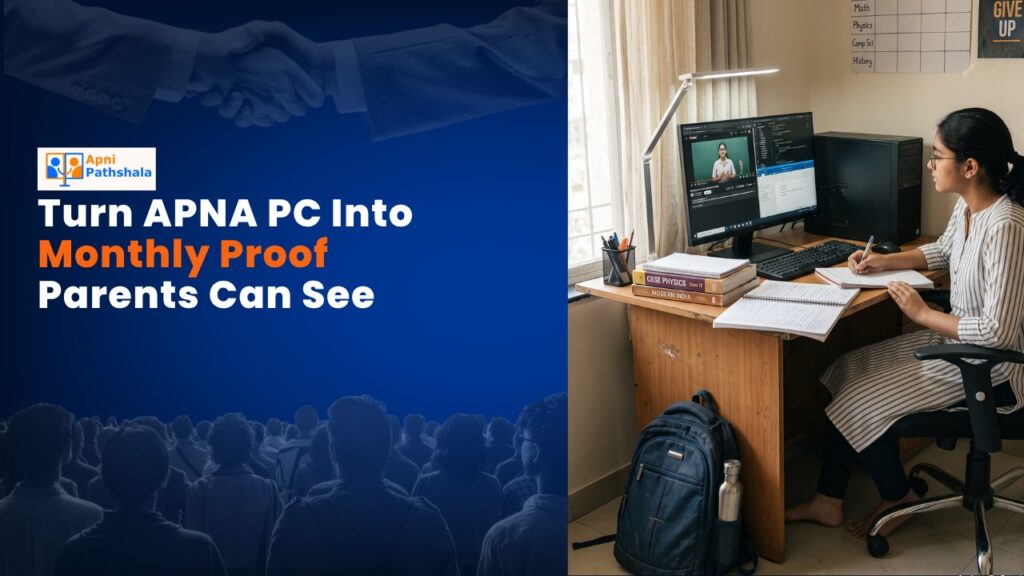
You can track your child’s learning progress every month by using a computer with a built-in progress tracker. On Apna PC, Apni Prerna records what your child studied and how long they focused, and gives you regular reports you can compare month to month, so you see real progress instead of waiting for the annual report card.
For example, a parent paying for online classes for months may still see no change in marks and have nothing concrete to show for the money. Monthly proof replaces that guessing with evidence.
Why do parents need visible learning outcomes?
Because without them, you are guessing whether your investment is working. Most parents wait for report cards and rely on vague feedback from teachers.
Learning does leave traces: skills improve and understanding deepens. Visible learning outcomes turn this into regular updates, not just test scores. When children can see their own progress, they often understand where they are weak and strong, and when you see the same picture, you can support them better at home. For general background, see this overview of how learning works.
What does a monthly learning progress tracker show?
It shows what your child studied, how long they focused and how their skills are developing. Apna PC, at Rs. 30,000 (shipping and GST excluded), comes pre-loaded with Apni Prerna, a student monitoring system designed for Indian families.
- Weekly learning dashboards showing what your child studied, how long they focused and what they understood
- Real-time progress tracking instead of once-a-year report cards
- Skill-based progress reports covering maths, language, logic and creativity
- Monthly snapshots you can compare to see actual growth
- No guessing about whether your money is being spent wisely
The machine runs Zorin OS, a clean operating system built for learning, with 8GB RAM and 128GB SSD so it runs without lag. It also includes LibreOffice and Scratch. Learn more about how Apna PC tracks learning progress.
How do you turn a monthly report into action?
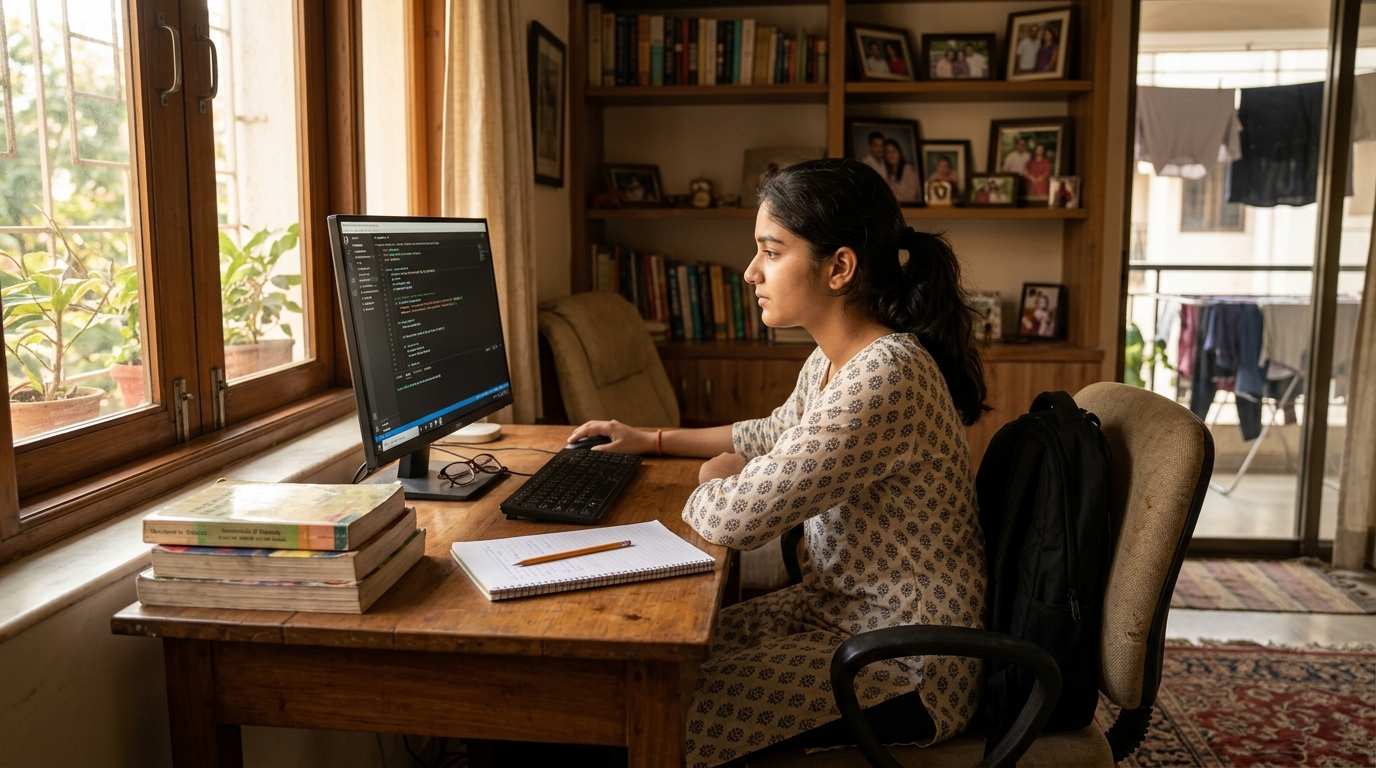
Open the report, spot one strength and one gap, and plan the next month around them. You no longer need to ask the tuition centre or wait for school.
A report might show how many coding lessons your child completed, how much time went to maths and where English writing still needs work. You can share reports with teachers, celebrate wins as a family and decide what to focus on next. Our guide to reading usage reports explains each section.
Does tracking progress mean more screen time?
No. The tracker works alongside healthy screen time limits, so the aim is better use of study time, not more hours.
It also works with platforms like the DIKSHA digital learning platform, so your child can use quality content while you track progress.
What does a year of progress tracking look like?
You end up with twelve monthly reports that show the full arc of your child’s learning. You can spot patterns, such as a topic your child struggled with early in the year and later mastered, or steady growth in English.
That means fewer surprises at report card time. See what a year of computer-based learning looks like with the right tools. Parents in Tier 2 and Tier 3 cities, without easy access to big-city apps and tutors, get a system built for their child, at home, with data they can trust.
How does real progress data change conversations at home?
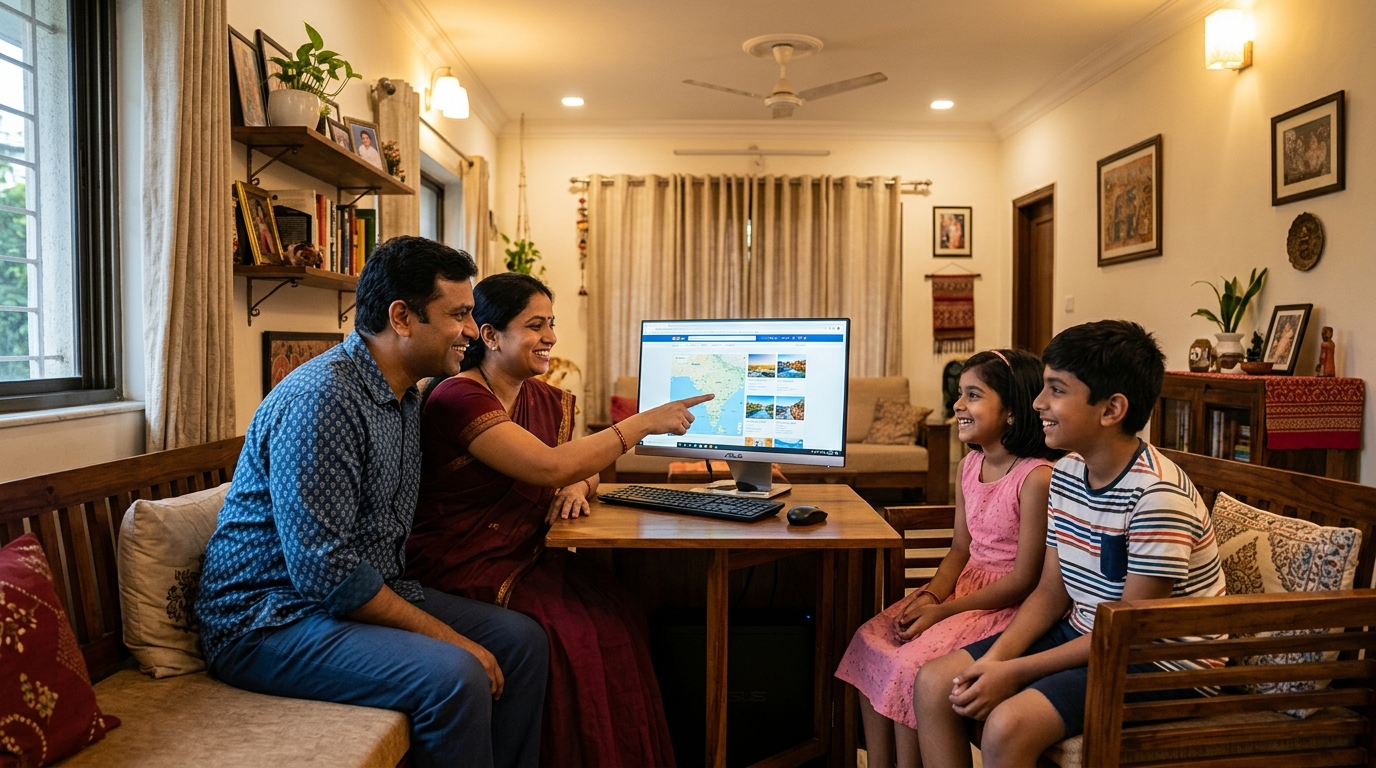
Your conversations become specific and supportive instead of general. Instead of “study harder,” you can say, “I see you improved in problem-solving this month, let’s build on that.”
Your child’s motivation often grows when they can see their own progress, and your confidence in their education grows too. Visible outcomes turn education from something distant into something you can follow, measure and celebrate.
Frequently Asked Questions
How often should I check my child’s progress reports?
A quick weekly look and a fuller monthly review works well for most families. The weekly check helps you notice problems early, while the monthly review lets you compare progress, celebrate wins and agree with your child on what to focus on next.
Will my child feel watched if I track their learning?
Not if you are open about it. Explain that the reports help you support them, review progress together and use it to praise effort rather than punish mistakes. When tracking is shared and positive, most children see it as encouragement, not surveillance.
Can I share progress reports with my child’s teacher?
Yes. Sharing reports gives teachers a clearer picture of what your child practises at home, which makes parent-teacher meetings more useful. You can discuss specific strengths and gaps together and agree on how school and home can support the same goals.
Your child’s education should not be a mystery. For Rs.30,000 (shipping and GST excluded), you get a computer and a system that shows your child’s learning progress. Visit Apna PC to learn more.