

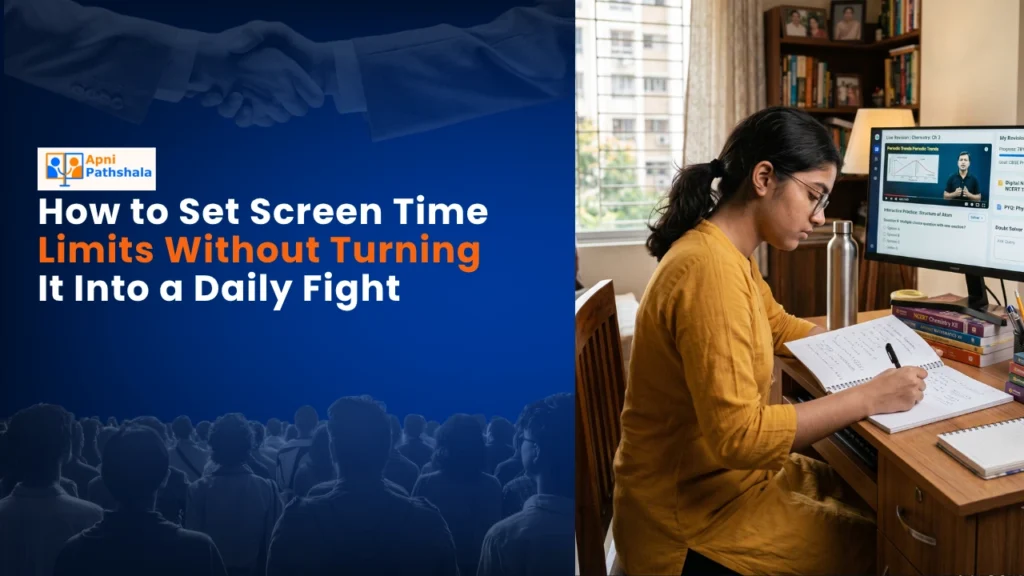
Ravi’s Screen Time Crisis (And How It Got Better)
Ravi is ten years old. His mother, Priya, works at a bank in Indore. Every evening at 6 PM, the same battle starts: Ravi’s glued to his phone watching YouTube videos, and Priya’s threatening to throw it out the window. Last month, his school grades dropped. His eyes hurt. He wasn’t sleeping well. Priya felt like a villain for wanting to set screen time limits, but she knew something had to change. She wasn’t alone. Thousands of Indian parents in tier 2 and tier 3 cities face this exact struggle every single day.
Setting limits on screen time doesn’t have to turn your home into a war zone. With the right approach, you can create healthy screen habits for your children without the daily drama. Let’s talk about how.
Why Screen Time Limits Matter (But You Already Know This)
Your child’s eyes are developing. Their sleep cycles are sensitive to blue light. Their attention span is shrinking. You’ve probably read all this already, and it’s made you feel guilty rather than empowered.
Here’s what matters: screen time limits aren’t about punishment. They’re about protecting your child’s future. When kids spend too much time on screens, their schoolwork suffers, their posture gets worse, and they miss out on real-world friendships. That’s the actual issue.
But here’s the thing nobody tells you: the solution isn’t just saying “no screens.” It’s replacing screen time with something better. That’s where healthy screen habits come in.
The Three Rules That Actually Work
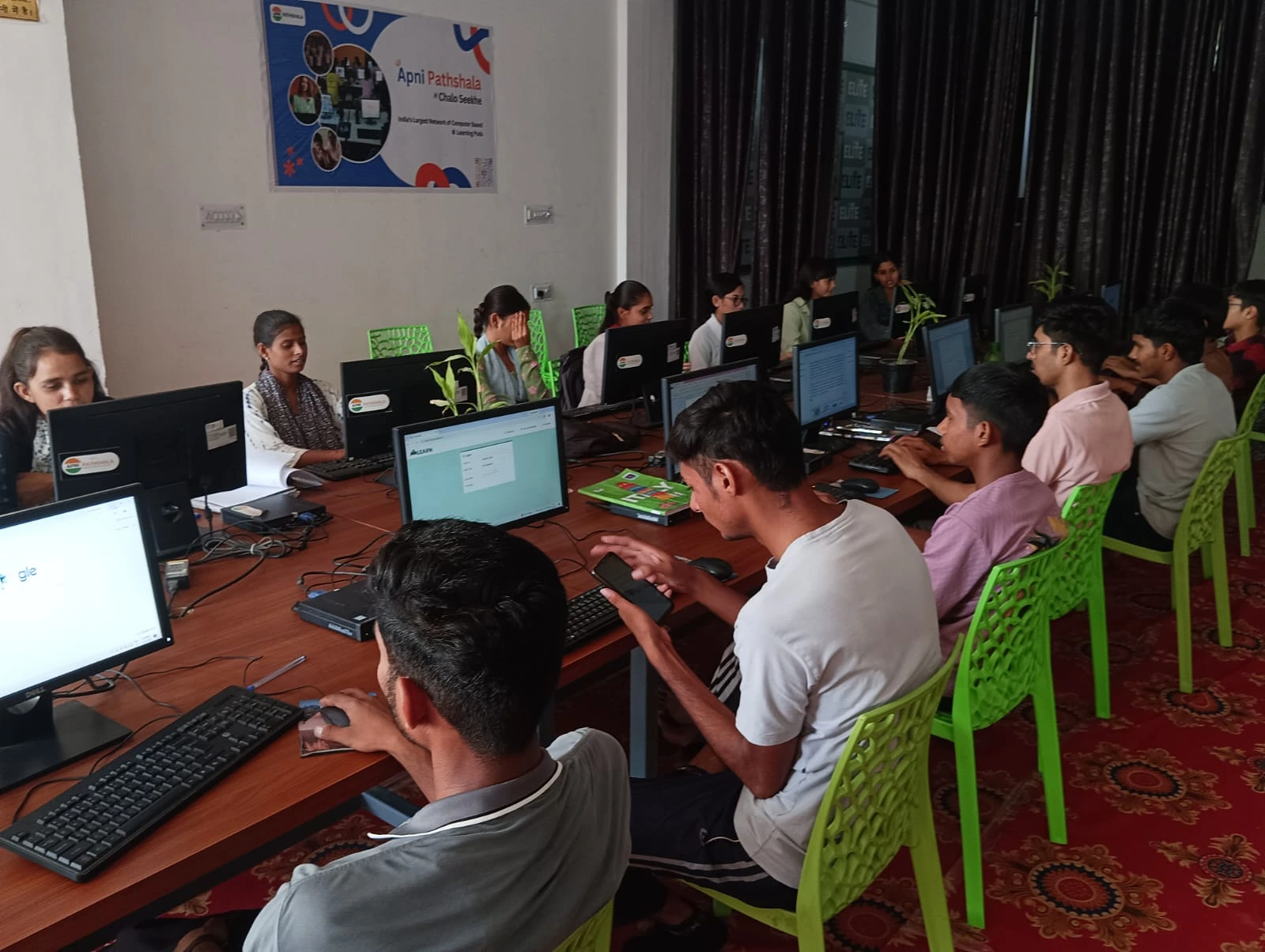
Rule 1: Make the alternative better than the screen. If you take away YouTube and offer nothing else, your child will hate you. Instead, give them something engaging. A hobby. A project. A computer they can actually learn on, not just consume content on. That’s why many parents are switching to educational computers designed for learning, not just entertainment.
Rule 2: Set the limits together, not for them. Sit down with your child. Ask them: “How much screen time do you think is fair?” Let them suggest a number. Then negotiate. If they say four hours, you say one hour. You’ll probably land on two hours, and they’ll feel like they won something. This isn’t weakness. This is psychology.
Rule 3: Use technology to help, not fight. Your phone has built-in screen time tracking. Your computer can have parental controls. But the real trick is having a device that encourages learning instead of endless scrolling. When your child opens their computer and sees educational software, coding tools, and study materials, they’re less likely to waste time.
What Healthy Screen Habits Actually Look Like
Healthy screen habits aren’t about zero screens. That’s unrealistic in 2024. They’re about intentional screens.
- Your child uses screens for homework, not just entertainment
- They take a 10-minute break every 30 minutes of screen time
- Screens are off at least one hour before bedtime
- Meals are screen-free
- They have a dedicated study computer, separate from entertainment devices
That last point is crucial. When your child has a computer built for learning, with pre-loaded educational software and parental monitoring, screen time becomes productive. You’re not fighting against the device. You’re working with it.
Setting Screen Time Limits With a Proper Study Computer
Here’s what changed for Ravi: his parents got him an educational computer. Not a tablet. Not a phone. A real computer with Linux-based software, productivity tools, and coding platforms.
Suddenly, “screen time” meant something different. He wasn’t watching videos. He was building projects in Scratch. He was learning to code. His mother could monitor what he was doing through the built-in parental controls. The screen time limits she set weren’t met with resistance because the device itself was designed for learning.
This is how you align your goals with your child’s interests. You’re not restricting them from something they love. You’re channelling that love toward something that matters.
Learn more about how free time changes with a study computer. You’ll see how digital parenting becomes easier when the device supports your values.
Digital Parenting in the Age of the Digital India Initiative
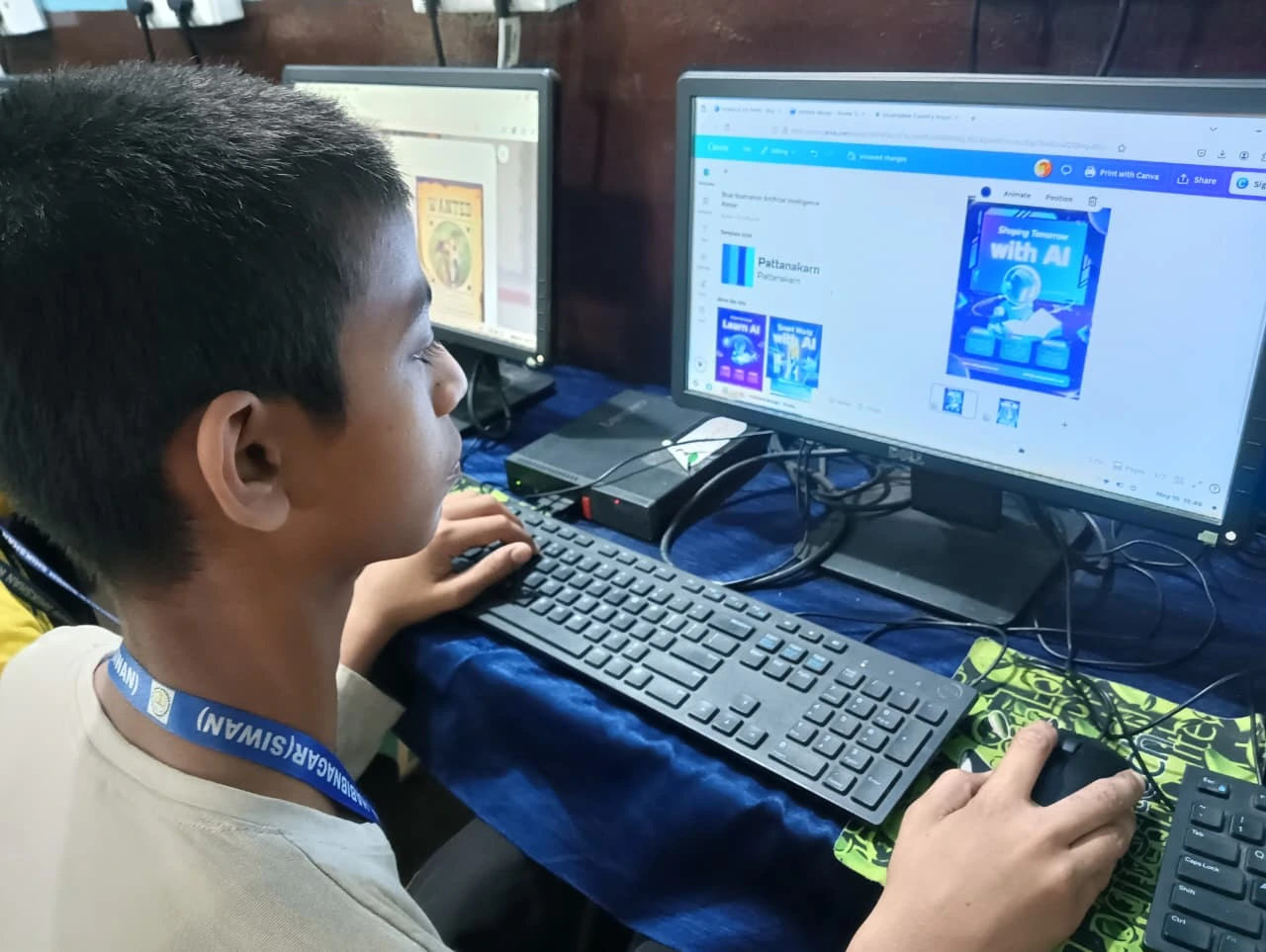
India’s Digital India initiative and MeitY Digital India programs recognise that technology is here to stay. The goal isn’t to keep kids away from screens. It’s to make sure they’re using screens wisely.
Your role as a parent is to guide that usage. You set the boundaries, but you also set the example. If you’re on your phone during dinner, your child will notice. If you use a proper computer and treat it as a productivity tool, your child will learn that too.
Digital parenting means being intentional. It means saying “yes” to screens that educate and “no” to screens that just distract. It means having conversations instead of rules, and alternatives instead of restrictions.
Practical Steps to Set Screen Time Limits Today
Step 1: Track current usage. Don’t guess. Check your child’s screen time right now. Most phones show this in settings. You’ll be surprised by the actual number.
Step 2: Decide on a realistic limit. If your child’s currently using screens for six hours a day, jumping to one hour will fail. Try cutting by 30 minutes each week instead.
Step 3: Offer something better. Before you enforce the limit, introduce the alternative. A hobby. A project. A computer designed for learning. Check out tips for building focus at home to see how the right setup can change everything.
Step 4: Set boundaries together. Have the conversation. Let your child feel heard. Make them part of the solution.
Step 5: Use technology to help. Enable screen time controls. Set app limits. Monitor what’s being accessed. This isn’t spying. It’s parenting.
What About Resistance?
Your child will resist. That’s normal. They’ll say their friends have more screen time. They’ll say it’s unfair. They’ll cry.
Stay calm. Remind them why this matters. Show them the alternative. Let them see that their new computer or new hobby is actually more fun than endless scrolling.
The first week is hard. The second week is easier. By the third week, they’ve adapted. By the fourth week, they might actually thank you.
Ravi did. His mother says he’s happier now. His grades came back up. He’s sleeping better. He still gets screen time, but it’s intentional. It’s productive. It’s not a fight every evening.
Your family can get there too. Healthy boundaries around screens don’t have to be the enemy. With the right approach, they’re actually the solution. Visit apnapc.com to learn more.