

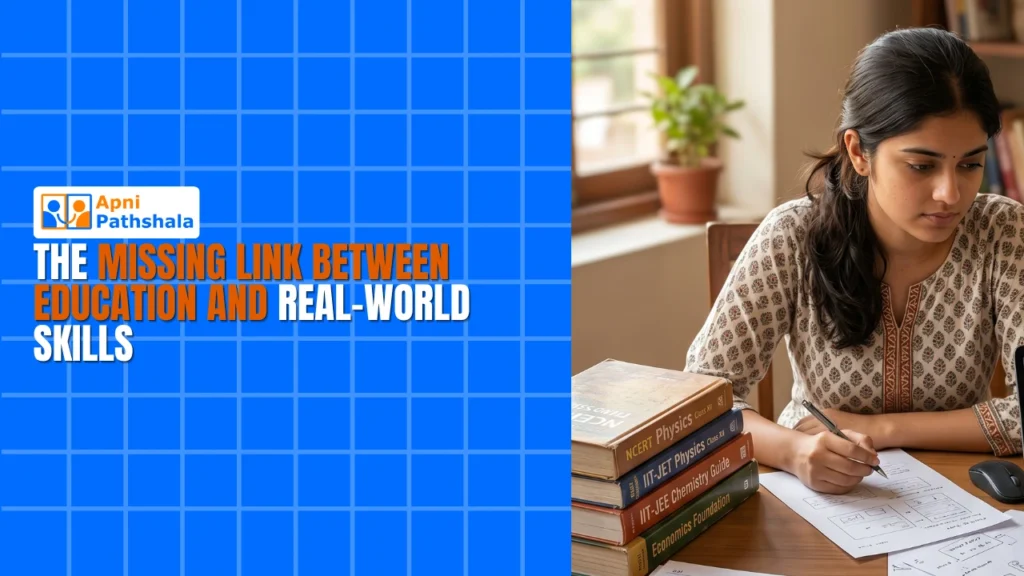
The missing link between education and real-world skills is application. Schools teach students to recall facts and pass written exams, but rarely teach them to use digital tools to apply that knowledge, which is exactly what colleges and employers test first.
For example, a school topper might be asked in a placement interview to build a spreadsheet from raw data and freeze, while a classmate with lower marks who has used a computer for years finishes it with formulas and a chart. The gap between them is not intelligence. It is preparation.
Why is school education alone not enough?
School education builds knowledge, but it does not train students to apply it with tools. The Indian system follows a simple model: learn the textbook, pass the exam, move to the next class.
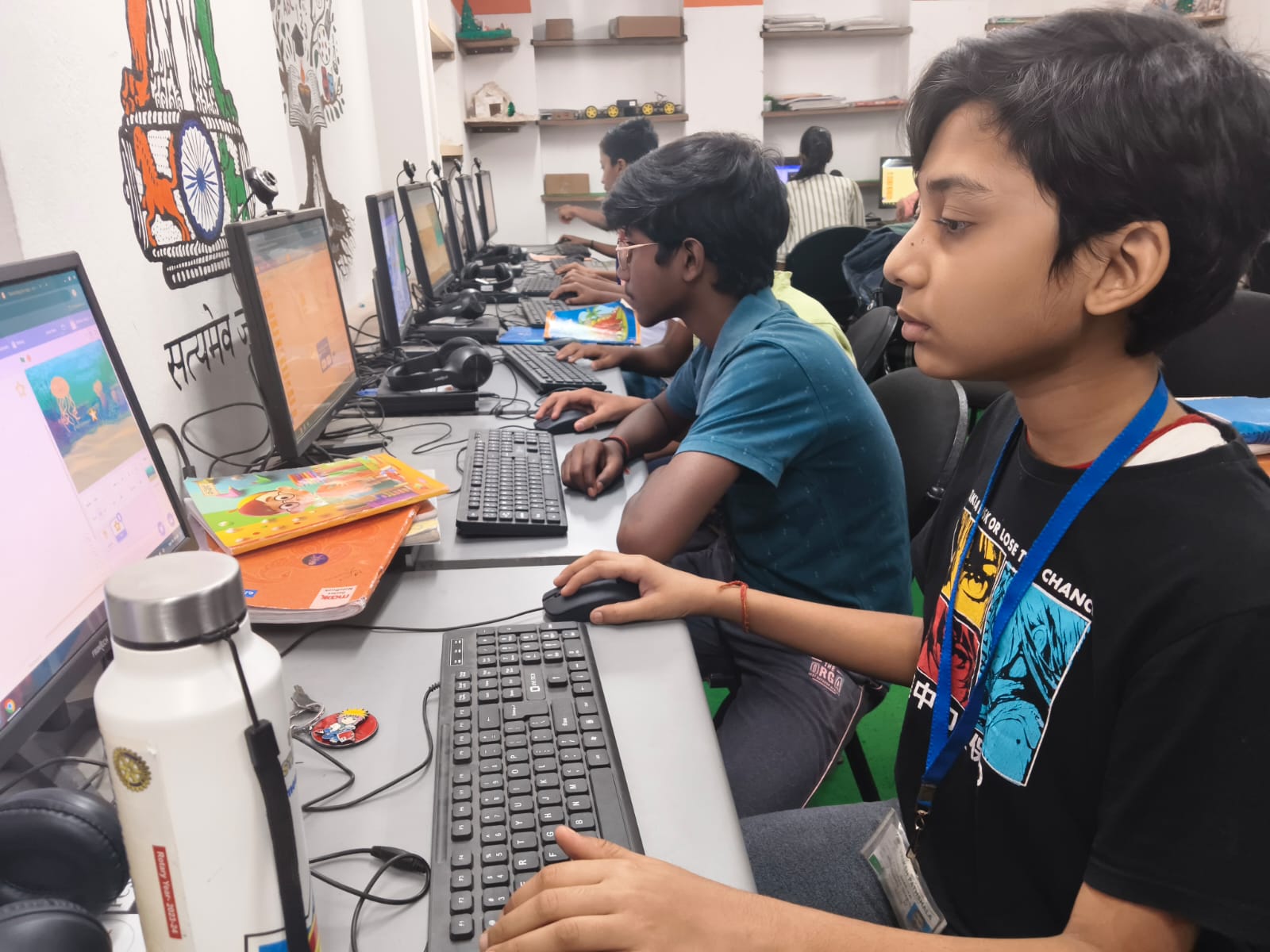
This model produces students who recall facts, solve textbook problems and score well on paper. It does not produce students who can use what they know in practical situations.
A student who memorises the formula for compound interest can solve it on paper. But can they use a spreadsheet to calculate it for a real business scenario? A student who can define GDP may still be unable to analyse real economic data.
What is skill-based learning, and how does it help?
Skill-based learning takes knowledge from the textbook and applies it through tools. The student who learns a spreadsheet does not just know formulas, they know how to use them. The student who learns to code does not just know logic, they know how to express it.
DIKSHA, India’s national digital learning platform, supports competency-based education in India. Competency means more than passing exams. It means being able to do things, not just know things.
What do real-world skills actually look like?
Real-world skills are the everyday digital tasks every workplace now expects. They are not about one specific tool but about being able to use any tool well.
- Writing a professional email
- Creating a presentation from scratch
- Searching for information online and judging what you find
- Organising data in a spreadsheet and drawing conclusions from it
- Learning new software quickly and solving problems digitally
These are baseline expectations, not advanced skills. A graduate who cannot do them struggles, whatever their exam scores. A graduate who can do them has options, whatever their percentage. Our guide on building real-world skills from home has practical starting points.
Why do students who start early have an advantage?
A student who has used a computer since childhood picks up future-ready skills naturally. A student who first touches a computer in college has to learn under pressure.
Future-ready skills include learning new tools quickly, solving problems digitally and working with others using technology. These grow with years of small, regular practice, which is why practical computer skills before college matter so much.
What is the gap between school and the workplace?
The gap is application, not content. Every year, lakhs of Indian graduates enter the workforce with degrees, marks and knowledge, but without the ability to apply that knowledge using digital tools.
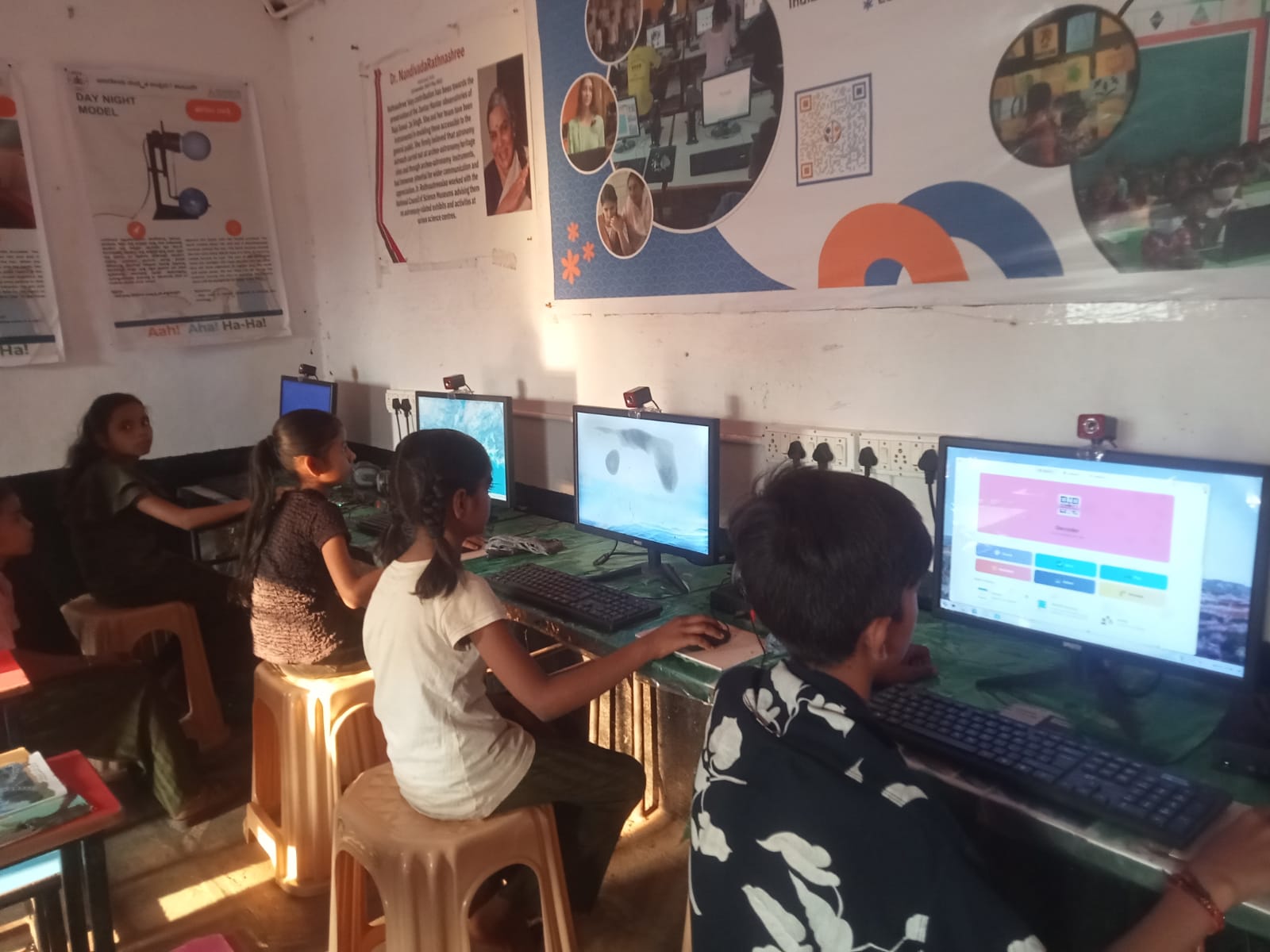
Employers rarely ask about exam scores. They ask whether you can use a spreadsheet, create a presentation, write a professional email and learn new software quickly. These questions decide who gets hired. Read more on digital skills and employability.
Schools teach content, and workplaces demand application. As we explain in the biggest advantage a student can have today, practical ability is what prepares a child for a workplace that runs on digital tools.
What should parents do at home?
Give your child a computer and let them practise applying what they learn. You cannot change the education system overnight, but you can change what happens at home.
Let them learn to type, search, organise and create. Let them build projects that use what they learn in school, with tools the workplace expects. Do not wait for the school to teach these things.
The Digital India initiative is building infrastructure for a digital India. That infrastructure needs people who can use it, and home practice is how your child becomes one of them.
Frequently Asked Questions
Are high marks still important if skills matter so much?
Yes, marks still open doors to good colleges and courses. But marks alone rarely prove a student can apply knowledge. Pairing good study with regular computer practice gives your child both: the scores to get shortlisted and the practical ability to do well in interviews and the work that follows.
Which real-world skill should my child learn first?
Start with typing and writing documents, since almost every other task builds on them. Then move to organising files, making simple presentations and entering data in a spreadsheet. Linking each task to a school subject, such as charting science results, keeps practice useful and connects it to what they already study.
Can these skills be learned without internet access?
Many of them can. Word processing, spreadsheets, presentations, coding in Scratch and 3D work in Blender all run offline once installed. Internet access helps with research and email practice, but a child can build most core application skills on a computer even when the connection is limited.
Apna PC, priced at ₹30,000 (shipping and GST excluded), comes pre-loaded with LibreOffice, Scratch, VS Code, Blender and Arduino IDE. These are tools for building real-world skills, and your child can start practising from day one. Visit apnapc.com to learn more.