


When Ravi’s Mom Realised Her Son Actually Remembered
Last month, Mrs Sharma from Indore scrolled through her son Ravi’s old notebooks. He’s in Class 7 now, preparing for his mid-term exams. But something strange happened. When she asked him about photosynthesis, which he’d studied two years ago in Class 5, Ravi didn’t just remember the definition. He explained how plants use sunlight to make food, drew a quick diagram, and even connected it to why leaves look green. His mom froze. Most concepts vanish from kids’ minds the moment exams end. But this one stuck.
That’s the real measure of good learning. It’s not about scoring 95 on test day and forgetting everything by next month. Long-term learning is when concepts become part of your child’s thinking, something they can recall and apply months or even years later. This is what separates students who truly understand from those who just memorise.
Why Most Concepts Disappear After Exams
Your child studies hard, passes the test, and then poof. The concept vanishes like morning fog. Why does this happen? Because most traditional learning focuses on short-term memory, not long-term retention.
When kids cram the night before an exam, they’re pushing information into their working memory. It’s temporary storage. Your brain holds it just long enough to write the exam, then deletes it to make space for the next subject. There’s no deep processing, no connection to what they already know.
The second reason is passive learning. Your child reads the textbook, watches a video, and thinks they’ve understood. But understanding and remembering are different things. True long-term learning requires active engagement. It means your child must do something with the information: solve problems, explain it in their own words, teach someone else, or apply it to new situations.
Third, most learning happens in isolation. A chapter on fractions is studied, the exam comes and goes, and it’s never revisited. Without repetition and connection to other concepts, the brain has no reason to keep it in long-term storage.
The Science Behind What Actually Sticks
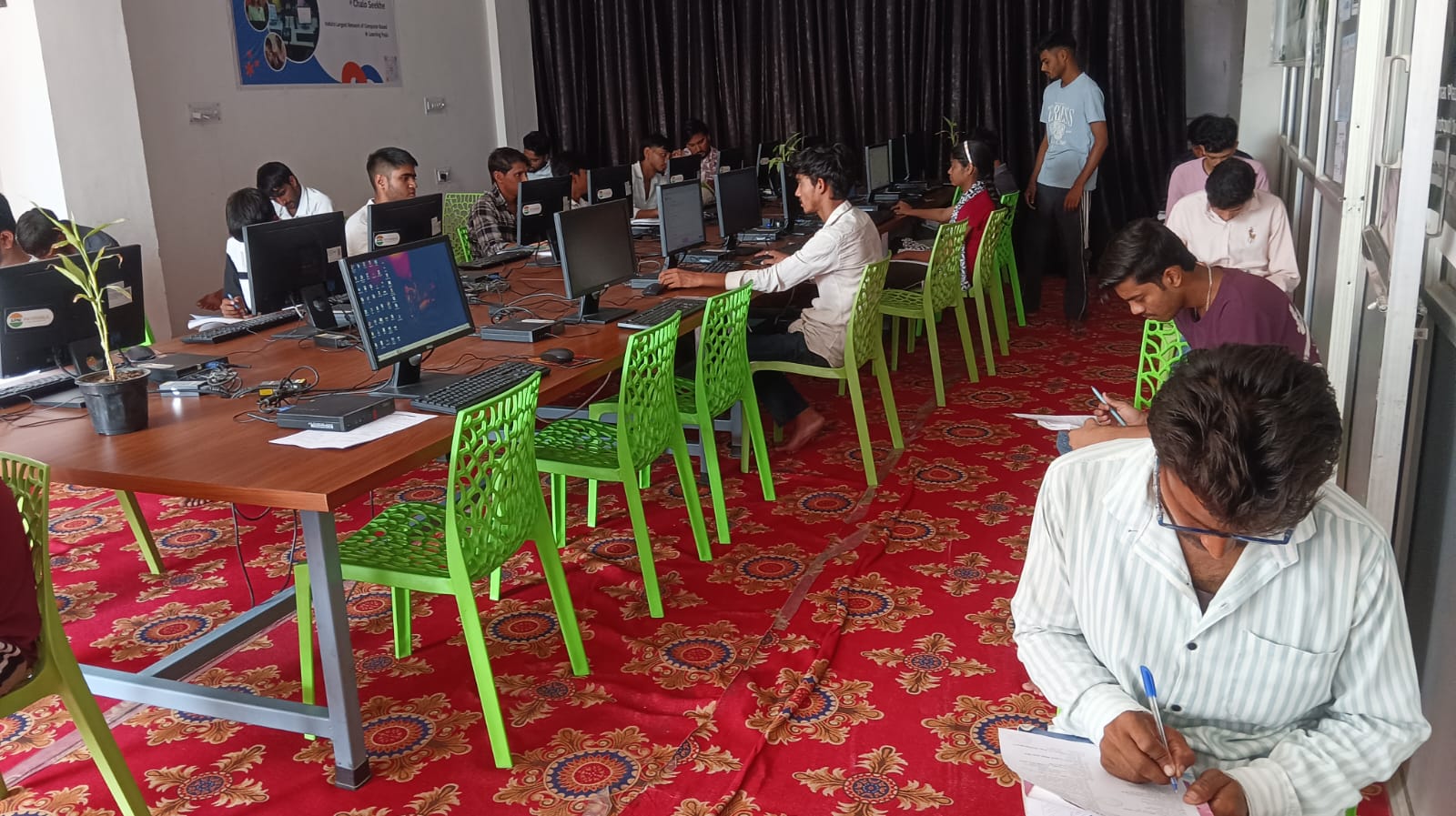
Research on learning suggests concepts stick when three things happen together. First, your child must understand the concept clearly, not just memorise it. Second, they need to practice retrieving it from memory repeatedly. Third, they should connect it to other ideas they already know.
This is where memory retention techniques come in. When you use them, you’re not just hoping the information stays. You’re actively building pathways that make the concept easier to recall later in school and in everyday life.
Active recall is the most powerful tool here. Instead of re-reading notes, your child should test themselves. Ask them questions. Make them explain concepts without looking at their notes. This struggle to remember actually strengthens the memory. It’s like exercising a muscle. The harder you work, the stronger it becomes.
Spaced practice matters too. If your child revisits a concept today, after two days, and again after a week, the brain treats it as important and moves it into long-term storage. This is why last-minute cramming works for tomorrow’s test but fails for real understanding.
How Concept Clarity Changes Everything
Concept clarity means your child truly understands the “why” behind something, not just the “what.” Take mathematics. Many kids memorise formulas and solve problems mechanically. But when they understand why a formula works, they can solve new types of problems they’ve never seen before.
For example, when learning algebra, if your child understands that equations are about balance, they can solve any equation, not just the ones in their textbook. This understanding is the foundation for long-term learning.
The problem is that concept clarity takes time. It requires good teaching, practice, and the right environment. In crowded classrooms, teachers often rush through concepts. Your child doesn’t get time to ask questions or see real examples. At home, you might not have the tools to explain complex ideas clearly.
This is where technology helps. A good educational computer setup lets your child learn at their own pace. They can pause, rewind, and re-watch explanations. They can access interactive simulations that show concepts in action. They can use tools like Scratch to create programs and understand logic deeply.
Building Long-Term Learning at Home
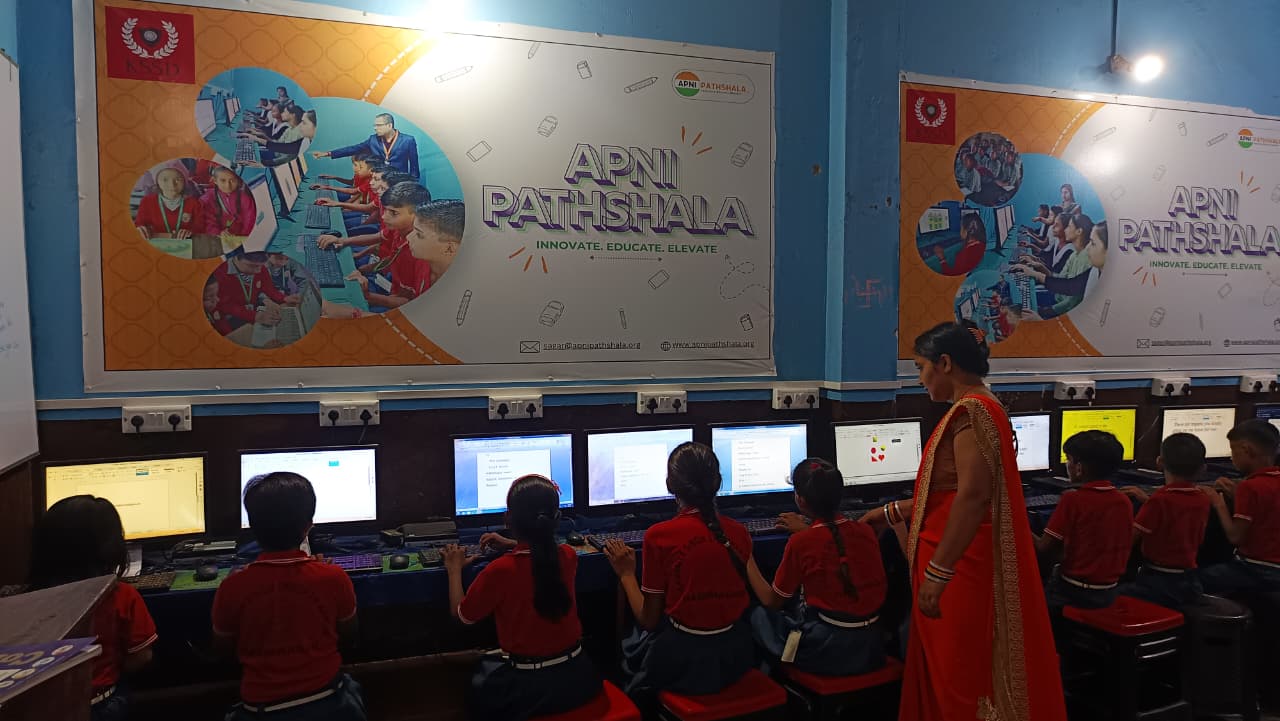
You don’t need expensive coaching classes to build long-term learning. Here’s what actually works. First, make sure your child understands the concept before moving ahead. If something feels fuzzy, spend extra time on it. Ask them to explain it to you. If they can’t explain it clearly, they don’t understand it yet.
Second, use active recall. After your child learns something, wait a few days and ask them about it. Don’t let them look at notes. Make them retrieve it from memory. This might feel uncomfortable, but it’s exactly what builds long-term memory.
Third, connect new concepts to old ones. When learning about fractions, connect it to division. When learning about ecosystems, connect it to photosynthesis. Your child’s brain loves connections. They help concepts stick.
Fourth, use formula revision memory tricks and mnemonics for details that need memorisation, such as formulas, dates, or vocabulary. But remember, these tools support recall. Real clarity still comes from understanding the idea behind the facts.
Fifth, create a distraction-free learning environment. Your child’s brain can’t focus if there’s noise, other screens, or interruptions. A dedicated learning space with a good computer makes a huge difference.
What You Can Do Starting Today
Don’t wait for the next exam to think about long-term learning. Start today. Review one concept your child learned last month. Ask them to explain it without notes. See if it stuck.
If it didn’t, don’t worry. That’s the starting point. Now you know what needs to change. Create a better learning environment. Use active recall. Connect concepts. If you don’t have the right tools yet, visit apnapc.com to learn more.