

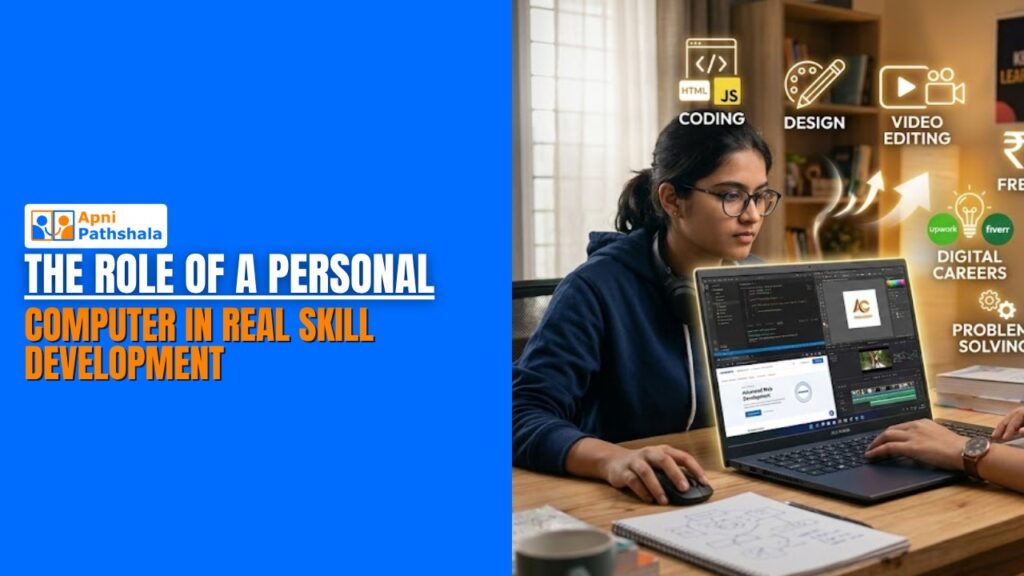
School teaches students what to know. But real skill development, the kind that shapes careers, builds confidence, and creates independent thinkers, happens somewhere else. For most students today, that place is a personal computer they can use freely at home, without a time limit or a school bell cutting the session short. The question isn’t whether this matters. The question is how long a family can afford to wait.
What Skills Can Students Learn on a Computer?
The range of skills students can learn on a computer goes far beyond typing and basic internet browsing. These are skills the job market already expects, and that most school curricula simply haven’t caught up to yet.
Some of the most valuable ones:
- Document creation and formatting – essential in every professional setting
- Spreadsheet basics – used in business, science, finance, and daily planning
- Research and fact-checking – knowing how to find reliable information and filter out noise
- Presentation building – structuring and communicating ideas with clarity
- Introductory coding and logic – even beginner-level programming builds problem-solving that textbooks don’t
None of these requires expensive software or premium subscriptions. They require time, curiosity, and a device that a student can sit down with and actually use for extended, focused sessions. NCERT (National Council of Educational Research and Training) has integrated technology literacy into its framework for a reason; these skills are no longer a nice-to-have. They are foundational.
Computer-Based Learning Benefits That Go Beyond Marks
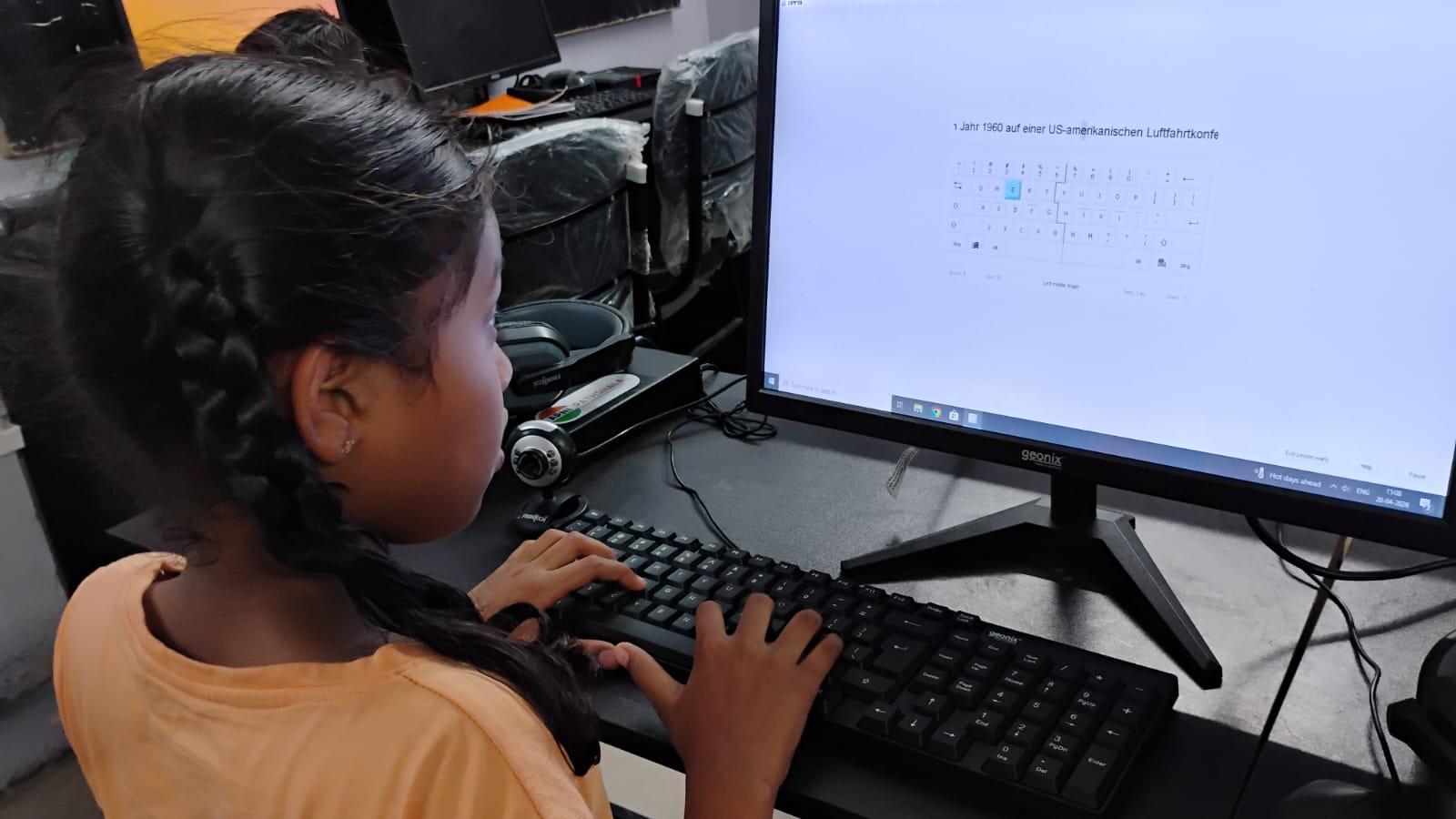
The computer-based learning benefits that parents notice first are usually grade-related, better scores, more complete assignments, and stronger exam preparation. Those outcomes are real. But they are not the most important ones.
What matters more in the long run is how a student’s mindset develops. Students who learn consistently on a personal computer develop self-direction. They get used to finding answers independently rather than waiting for someone to explain things. They build habits, such as regular reading, structured revision, and focused practice, that become part of their approach to any challenge.
They also develop comfort with technology that goes well beyond using a phone. Knowing how to create a formatted document, search efficiently, organise files, or handle a video call properly are baseline skills in today’s workplace. Students who develop these before entering college or the job market aren’t just better prepared, they’re noticeably more confident.
And confidence, more than marks, often determines how far a student actually goes.
Why Digital Skills for Students in India Are No Longer Optional?
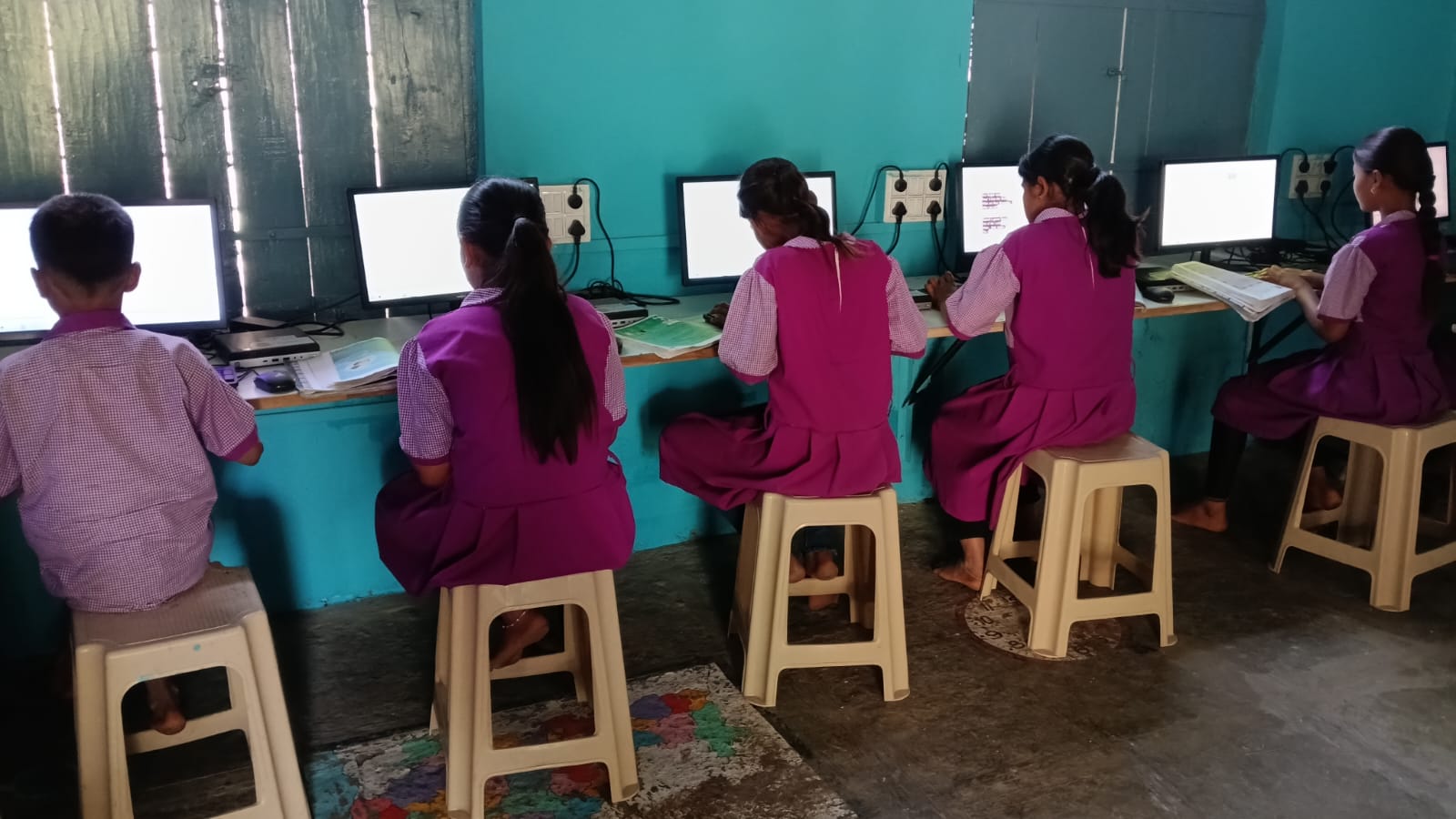
India’s economy is moving fast. The Digital India initiative has expanded internet access, online payments, and digital government services across the country at a pace few predicted. The baseline expectation for most jobs today, from banking and teaching to retail and logistics, now includes at least a basic level of digital competency.
Digital skills for students in India are no longer a value-add. They are a minimum requirement.
Yet millions of students still don’t have regular, independent access to a computer at home. They’re taught to pass exams but not fully prepared for the world those exams are supposed to open doors to. That gap, between what schools currently teach and what workplaces now expect, is widening every year.
A student who spends three or four years learning on their own computer at home doesn’t just know how to use technology. They think differently. They’re faster at finding information, more organised in how they handle tasks, and more comfortable taking initiative when a problem arises. These aren’t soft benefits; they show up clearly on college applications, in internship interviews, and in first jobs.
How Apna PC Makes Real Skill Development Possible
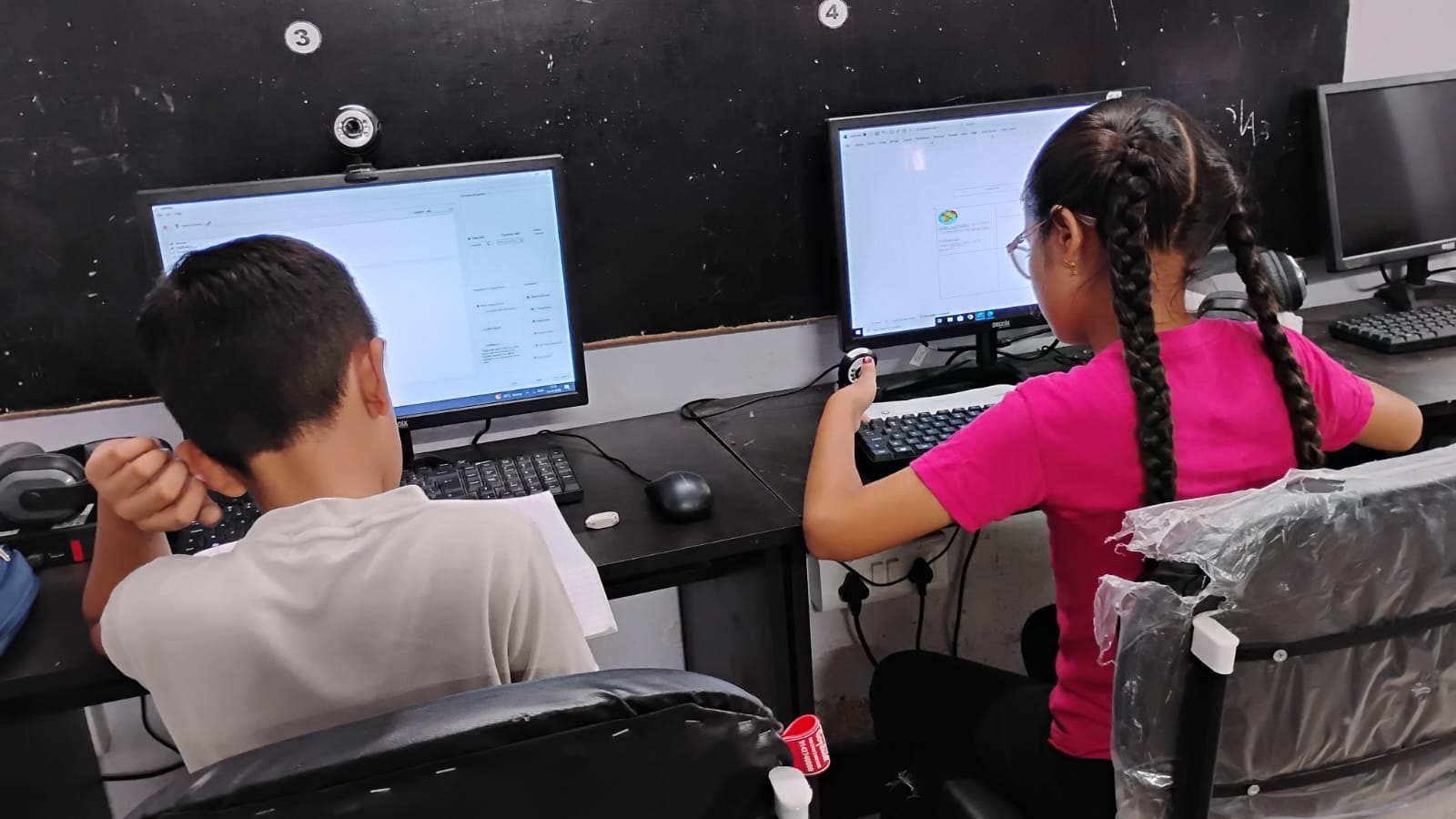
Apna PC was designed specifically to give Indian students access to this kind of learning at home, not just schoolwork, but genuine skill-building that continues beyond the syllabus. As explained in How a Personal Computer Helps Students Learn Beyond the School Curriculum, the device is built around independent, self-directed growth rather than just exam preparation.
It comes preloaded with offline educational content, so learning continues even when internet connectivity is limited or inconsistent. And at ₹21,000 (shipping and GST excluded), it’s a one-time investment that replaces years of tuition fees, while delivering something no tuition class can: daily, self-paced, skill-building access.
For families still wondering whether a computer is really necessary, “What Is Apna PC and How Does It Help Indian Students Learn Better” covers exactly how the device was built with Indian students and Indian homes in mind.
The skills that will define your child’s future are being built right now, either at home on a device they own or not at all. Apna PC makes real skill development accessible for every family. Visit apnapc.com to learn more.