

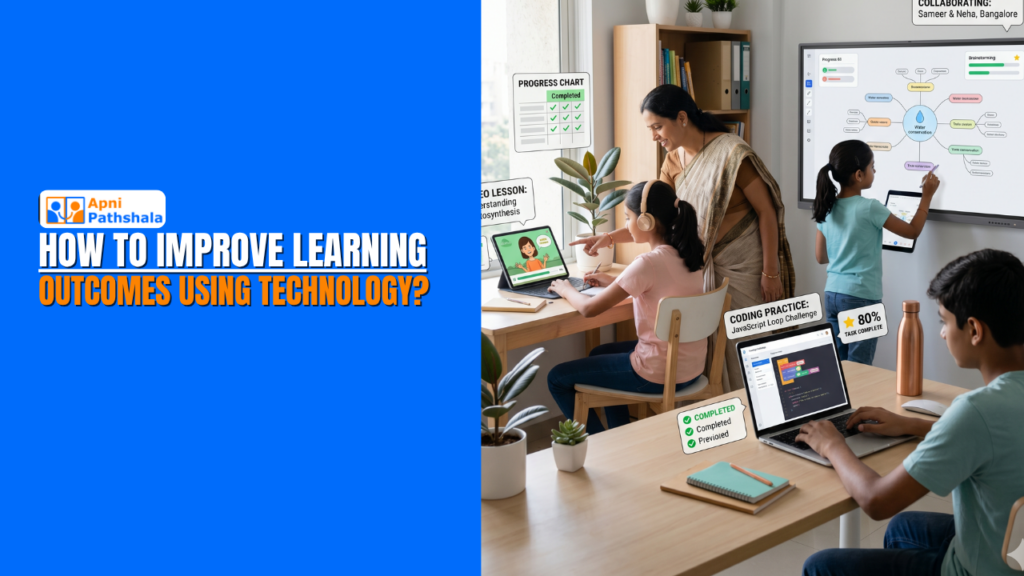
Rahul’s teacher marked him average for three years in a row. Not because he was not intelligent, but because the way his school taught simply did not match the way he learned. Then his father brought home a computer. Within two months, Rahul was watching concept videos, practicing problems on interactive platforms, and revisiting lessons he had never fully understood in class. His marks improved. More importantly, his confidence did. Technology did not change Rahul’s ability; it changed his access. And that is exactly how technology can improve learning outcomes for every child who is written off too early.
What Does “Learning Outcome” Actually Mean?
A learning outcome is not just a mark on a report card. It is everything a student genuinely understands, retains, and can apply after a period of learning. A child can score 70% on an exam by memorizing answers the night before, and still have poor learning outcomes. A child can struggle with exams but deeply understand how things work and have excellent grades.
The digital learning benefits that technology brings are most visible when we measure real outcomes, not just grades. These include how well a child can explain a concept in their own words, how confidently they approach an unfamiliar problem, and how independently they can learn something new. These are the outcomes that matter in the long run, and technology, used correctly, builds all of them.
According to UNESCO’s global education research, students who engage with well-designed digital learning tools show stronger conceptual understanding, better retention of information, and greater motivation to learn than those who rely solely on traditional classroom instruction.
How Technology Directly Improves Student Performance?
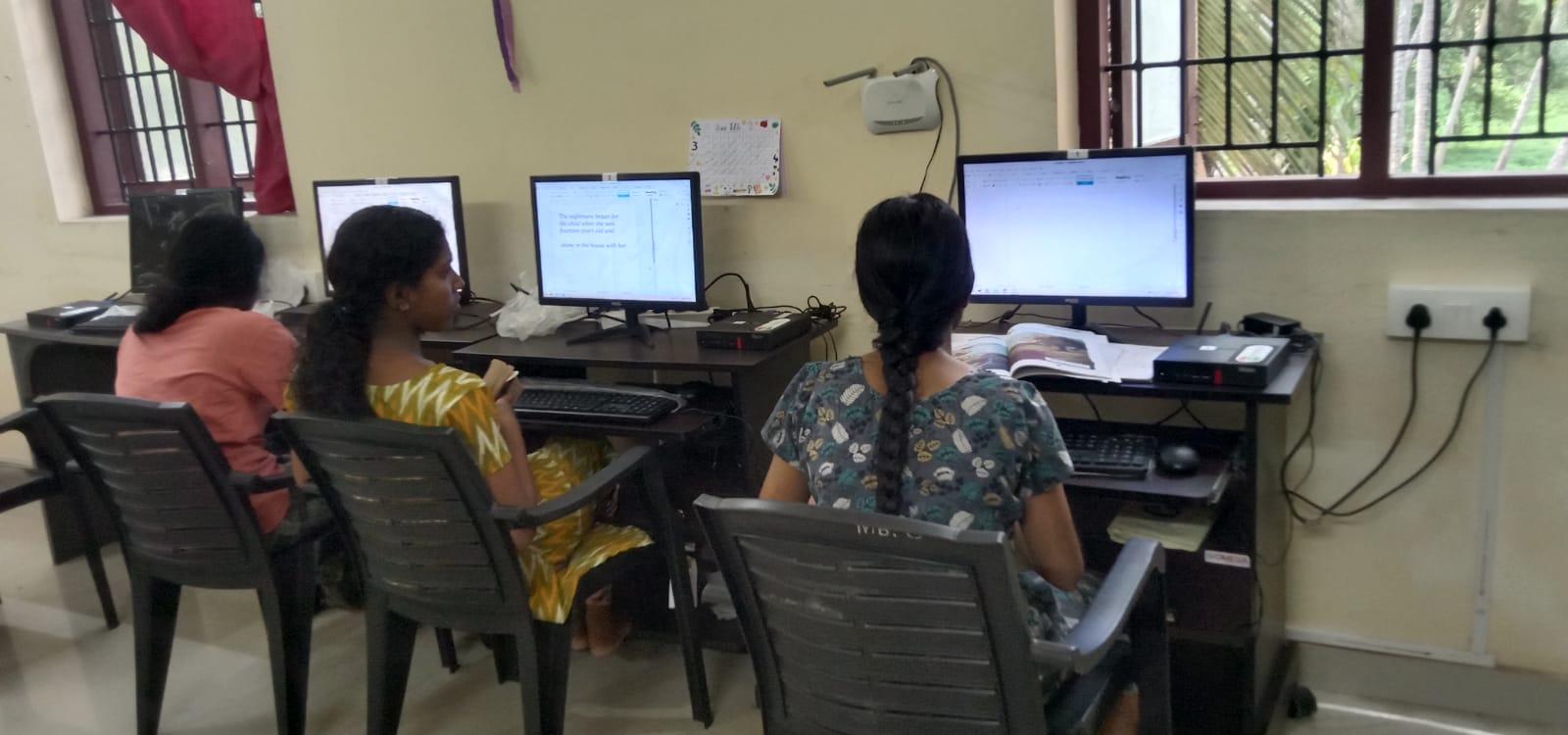
Technology does not automatically make a student perform better. It is the right use of the right tools that drives real student performance improvement. Here is how it works in practice:
- Personalized pace: Every child learns at a different speed. A classroom teacher with 40 students cannot slow down for one child without holding back the rest. Digital platforms adapt, they repeat, simplify, and re-explain until the child understands. This personalization is the single biggest advantage technology offers over traditional teaching.
- Immediate feedback: When a student answers a question on an educational platform, they know instantly whether they were right or wrong, and why. This immediate correction prevents misconceptions from hardening into habits. In a traditional classroom, a child might carry a wrong understanding for weeks before a teacher catches it.
- Visual and interactive learning: Concepts that are impossible to visualize from a textbook, the movement of tectonic plates, the process of photosynthesis, and how an electric circuit works, become clear and memorable through animated videos and interactive simulations. Children who struggle with text often thrive with visual tools.
- Consistent revision: Technology makes it easy for students to revise topics they found difficult, as many times as they need, without embarrassment. A child who is too shy to ask a teacher to explain something for the third time will happily rewind a video ten times.
- Tracking and accountability: Most educational platforms generate progress data, completed lessons, quiz scores, time spent, and topics revisited. This gives both parents and teachers a clear picture of where a child is excelling and where they need more support.
Explore how Apna PC puts all of these tools in one place for Indian students on our What Is Apna PC page.
Choosing the Right Education Tools: Quality Over Quantity
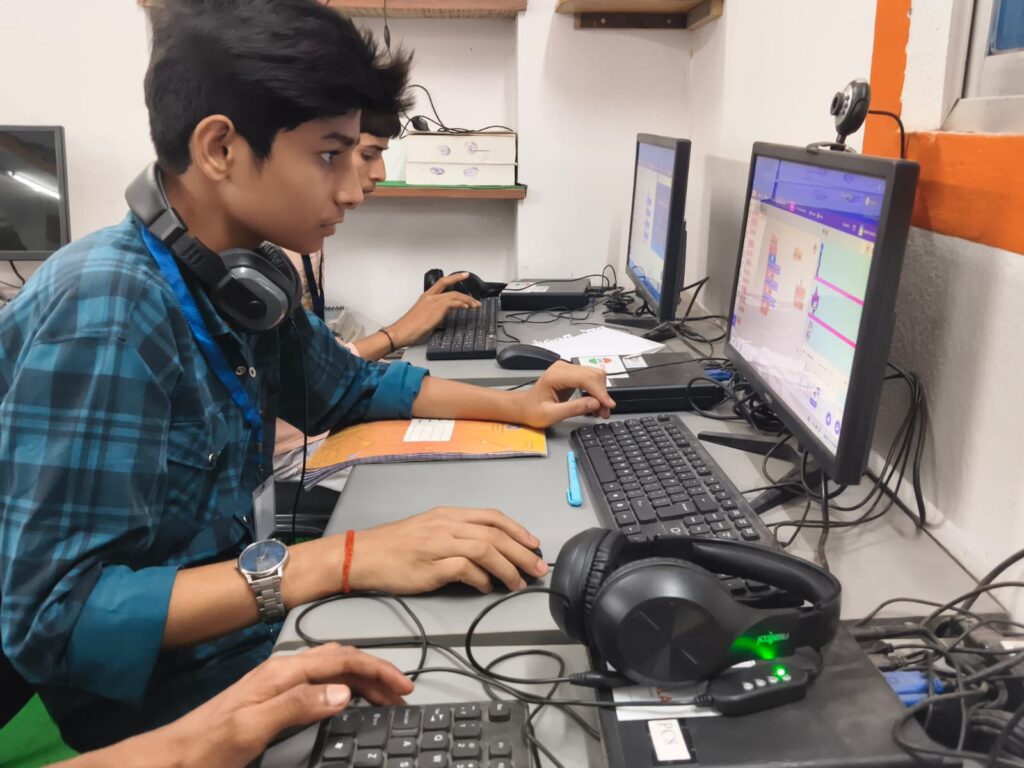
One of the most common mistakes parents and schools make is overloading children with too many educational tools at once. Five different apps, three platforms, two YouTube channels, and a child who is overwhelmed and learning nothing deeply from any of them.
The most effective approach is simple: choose two or three high-quality tools that align with your child’s curriculum, use them consistently, and give the habit time to take hold. In India, the best free tools include DIKSHA for curriculum-aligned content, Khan Academy for maths and science practice, and Google Classroom for assignment management.
But tools are only as effective as the device they run on. A slow, cluttered, general-purpose laptop filled with entertainment apps and unrelated software is not a learning environment. It is a distraction machine. This is why Apna PC exists: an educational computer dedicated to educational purposes at Rs. 21,000 (shipping and GST excluded), preloaded with the right tools, built-in safe browsing, and absolutely no entertainment clutter to pull a child away from their studies.
The Central Board of Secondary Education (CBSE) has been progressively integrating technology-based learning into its national curriculum, recognizing that digital tools are no longer supplementary to education. They are central to it. Schools and families that embrace this shift now are giving their children a meaningful head start.
For schools and NGOs, Apna PC offers a scalable solution to build digital classrooms that genuinely improve student outcomes, without requiring large budgets, IT staff, or complex setup. Read more about how a dedicated learning device changes what is possible at home on our Why Every Indian Student Needs Their Own Computer page.
Technology will not fix every problem in education. But in the hands of a motivated student with the right device and the right tools, it can unlock potential that a traditional classroom never could. Give your child that chance. Visit apnapc.com to learn more.