

Vikram’s son Rohan had been scoring in the 55–65% range for two years. His teachers said he was “average.” His parents hired a tutor for maths, then science, then English, spending nearly Rs. 8,000 every month. The marks barely moved. Then Vikram set up a proper computer at home, a dedicated educational device with learning tools, a clean study corner, and a fixed one-hour daily routine. Six months later, Rohan’s marks had climbed to the 78–82% range. Nothing else changed, not the school, not the tutor, not Rohan’s intelligence. Just the tools and the environment. This is how a computer improves school grades, Indian families see, not as a miracle, but as a consistent, compounding difference over time.
Why the Right Computer Setup Directly Impacts Academic Performance?
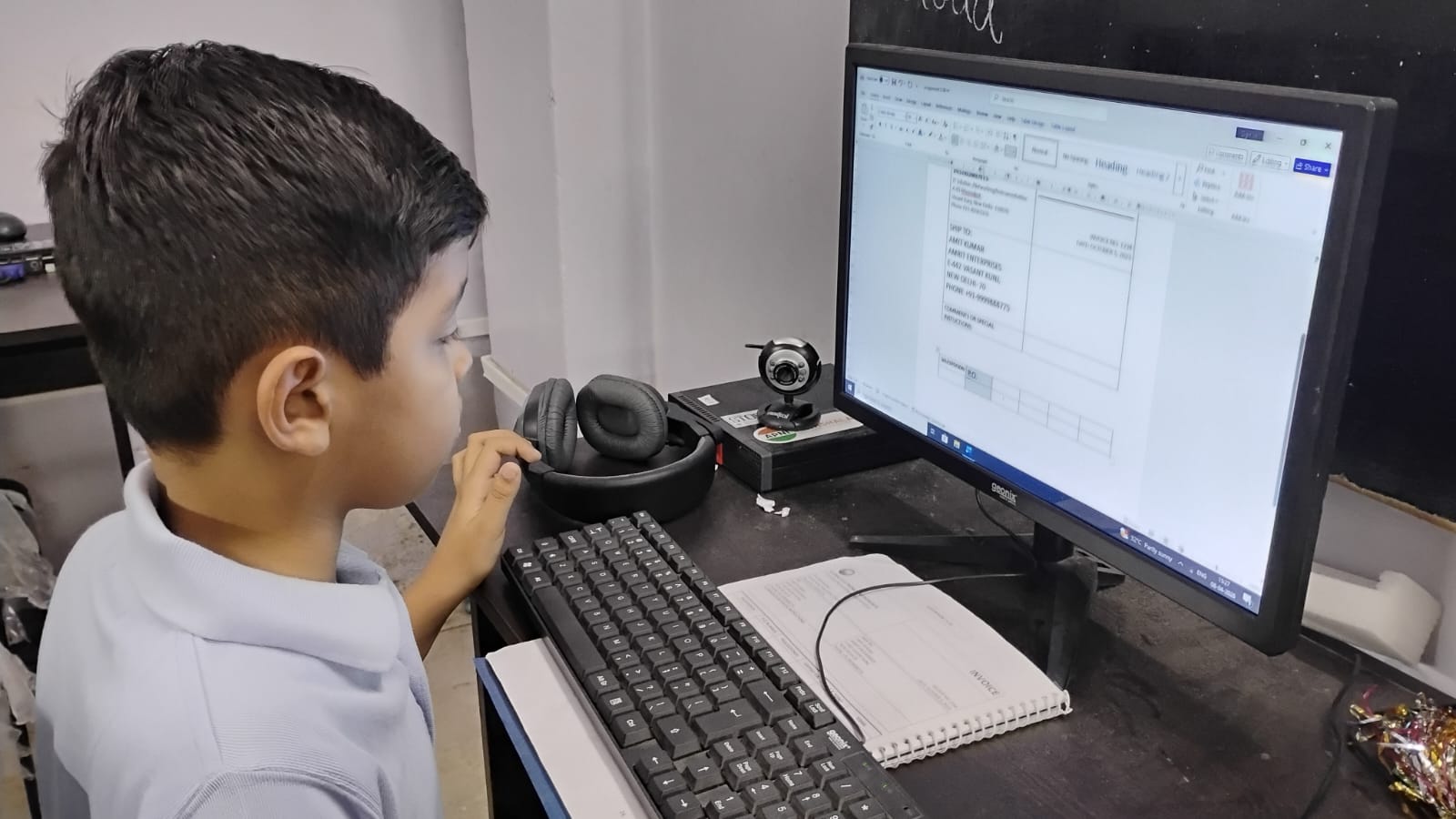
A computer is only as useful as how it is set up and used. A general laptop loaded with games and social media apps does not improve grades; it competes with studying. But a study computer for students India families can rely on, purpose-built, distraction-free, and preloaded with curriculum-aligned tools, changes the daily study experience in ways that add up significantly over months.
Here is why the setup matters as much as the device itself:
- Access to visual explanations of difficult concepts: When a student struggles with a topic, such as quadratic equations, cell biology, grammar rules, or reading the same textbook paragraph again, it rarely helps. A computer gives instant access to video explanations, animations, and interactive examples that make the concept click in a way a static page cannot. Students who understand clearly remember longer and score higher.
- Unlimited practice without judgment: Most students are afraid to ask a teacher to explain something a third time. A computer never gets impatient. A child can revisit the same topic ten times, attempt the same type of problem repeatedly, and practise at their own pace, until genuine understanding replaces surface memorisation.
- Faster, more organised revision: Typed notes are searchable. Digital flashcards are sortable. Past paper PDFs are instantly accessible. A well-set-up computer turns the revision process from a chaotic pile of notebooks into a structured, efficient system, saving time and reducing pre-exam stress.
- Consistent daily practice outside school hours: The students who improve their grades fastest are not always the smartest; they are the most consistent. A computer at home makes it easy to practise for 45 minutes every evening without needing a tutor, a coaching centre, or a parent to sit beside them the entire time.
- Real-time feedback on practice tests: Digital quizzes and practice tests tell a student immediately whether their answer was right or wrong, and why. This instant feedback loop corrects mistakes before they become habits, which is one of the most direct paths to improving PC grades for any student.
Read how Apna PC creates this complete study environment for Indian students on our The Biggest Advantage a Student Can Have Today page.
Setting Up the Right Home Computer Learning Environment
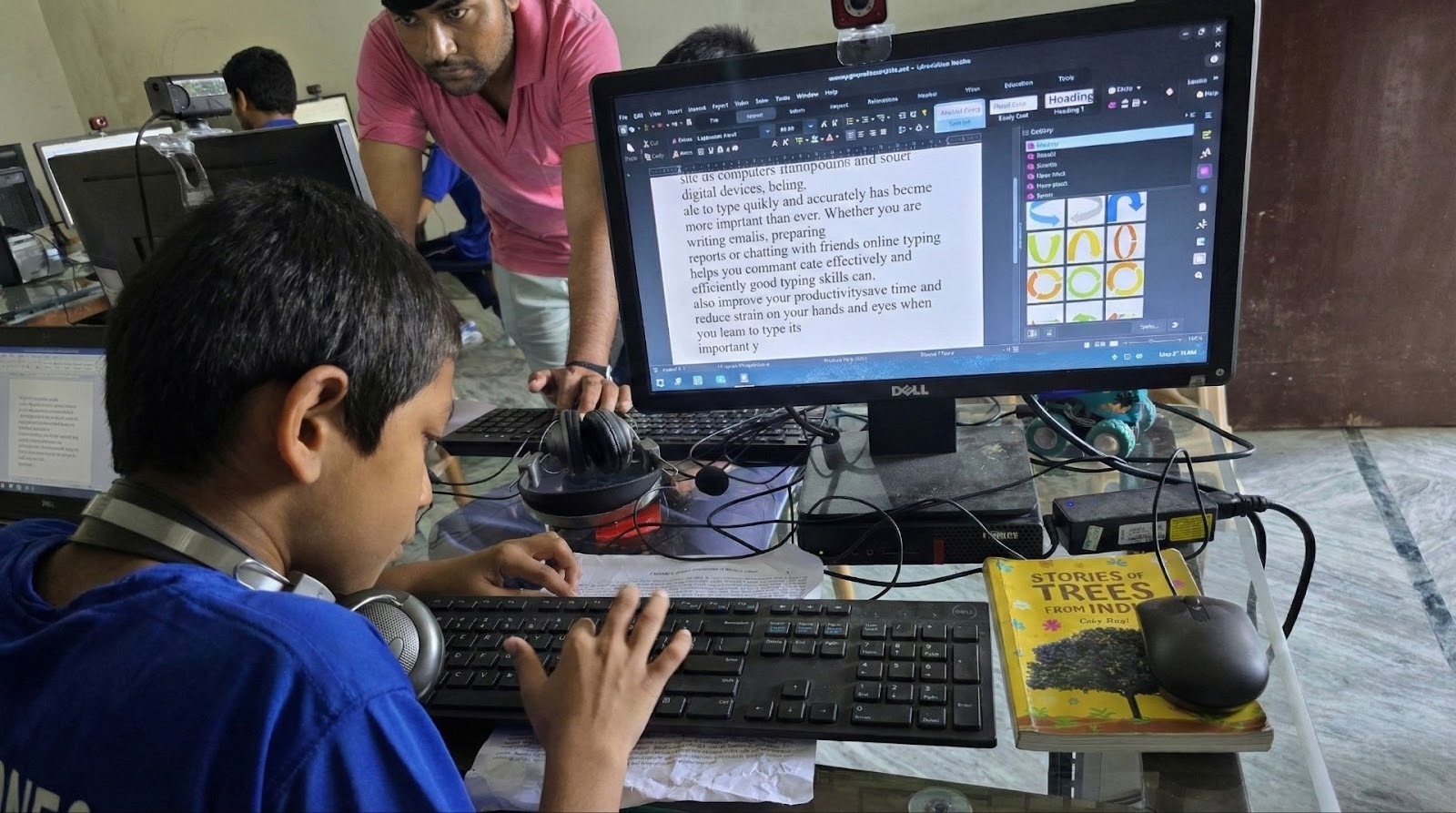
Buying a computer is not the same as setting up a learning environment. The setup, the physical space, the daily routine, the platforms used, and the rules in place determine whether the computer improves grades or simply adds another screen to the house.
Here is what makes home computer learning in India families actually drive academic improvement:
- A fixed study time, not open-ended access: The most effective setups involve a consistent daily computer study session, with the same time and same duration. 45 minutes to 1 hour of focused, structured use every evening yields far better results than 3 hours of inconsistent, distracted use.
- Two or three go-to learning platforms, not ten: DIKSHA for curriculum content, Khan Academy for practice problems, and Google Docs for typed assignments, is a complete, free toolkit that covers every subject from Class 1 to Class 12. Keeping it simple prevents the child from wasting time platform-hopping instead of learning.
- A distraction-free device from the start: Apna PC at Rs. 21,000 (shipping and GST excluded) comes preloaded with educational tools, built-in safe browsing, and no entertainment apps competing for attention. Parents do not need to configure anything; the device is already set up to support focused study from the moment it is switched on.
- Weekly progress check-ins: Ask your child every Sunday to show you what they practised that week. Ask them to explain one concept they learned. This brief weekly review builds accountability, reveals gaps early, and shows your child that their effort is noticed and valued.
According to NCERT’s research on home learning environments, students who have structured access to digital learning tools at home show measurably better performance in school assessments, particularly in maths and science, where regular practice is the most reliable predictor of improvement.
DIKSHA India’s national digital learning platform provides curriculum-aligned practice content for every subject and class, making it the single most valuable free resource any Indian student with a computer can use to directly improve their school performance.
Read more about how a dedicated home learning computer changes what students can achieve on our The Hidden Cost of Not Having a Computer in 2026 page.
Grades do not improve because a child suddenly becomes smarter. They improve because the child practises more, understands more clearly, and retains more consistently. The right computer setup makes all three of those things easier, every single day. Visit apnapc.com to learn more.