

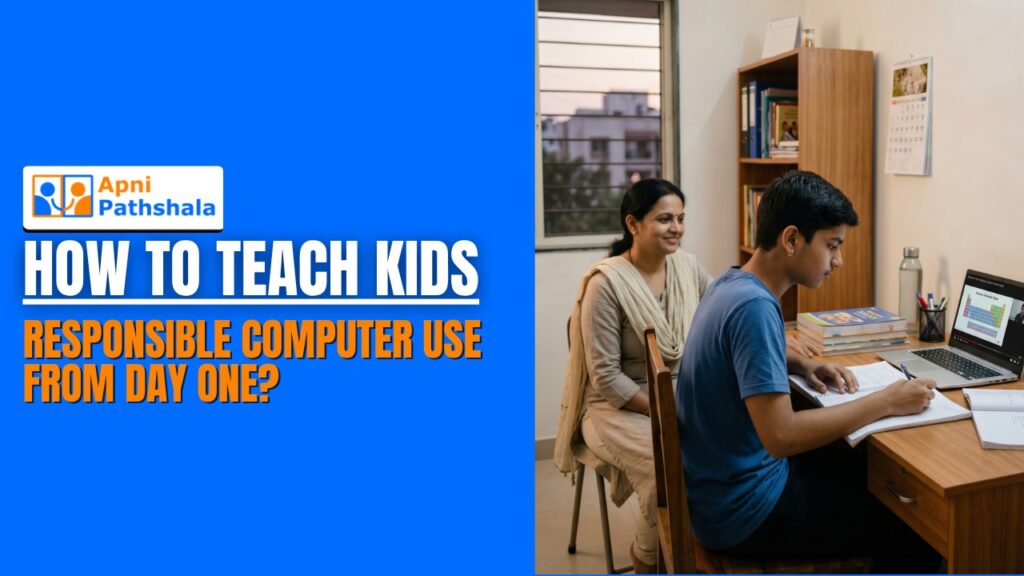
The day Priya’s parents brought home a new computer, they handed it to their 9-year-old daughter and said, “This is for studying.” Within a week, Priya had downloaded three games, watched six hours of videos unrelated to school, and stumbled upon content that was clearly not meant for her age. Her parents felt helpless; they had given her the tool but never taught her the rules. This is one of the most common mistakes Indian families make. Buying the right computer is only half the job. The other half is sitting down with your child and teaching them, from the very first day, how to use a computer responsibly. Indian parents often skip. That conversation matters more than any parental control app.
Why Day One Sets the Tone for Years of Computer Use?
The habits a child develops in their first few weeks with a computer tend to stick. If those weeks involve unguided, unrestricted access, the child learns that the computer is a personal entertainment device. If those weeks involve clear expectations, structured use, and genuine engagement from a parent, the child learns that the computer is a powerful tool that comes with responsibilities.
Building responsible computer use in kids starts before the device is even switched on for the first time. It starts with a conversation. One honest, age-appropriate discussion about what this computer is for, what it is not for, and what the family’s expectations are does more to shape long-term behaviour than months of reactive monitoring.
According to UNICEF India’s child online safety guidelines, children who receive clear guidance about responsible technology use before they begin using devices independently are significantly less likely to encounter online risks, develop addictive screen habits, or misuse digital tools, compared to children given unrestricted access without prior discussion.
A Practical First Computer Guide for Indian Parents
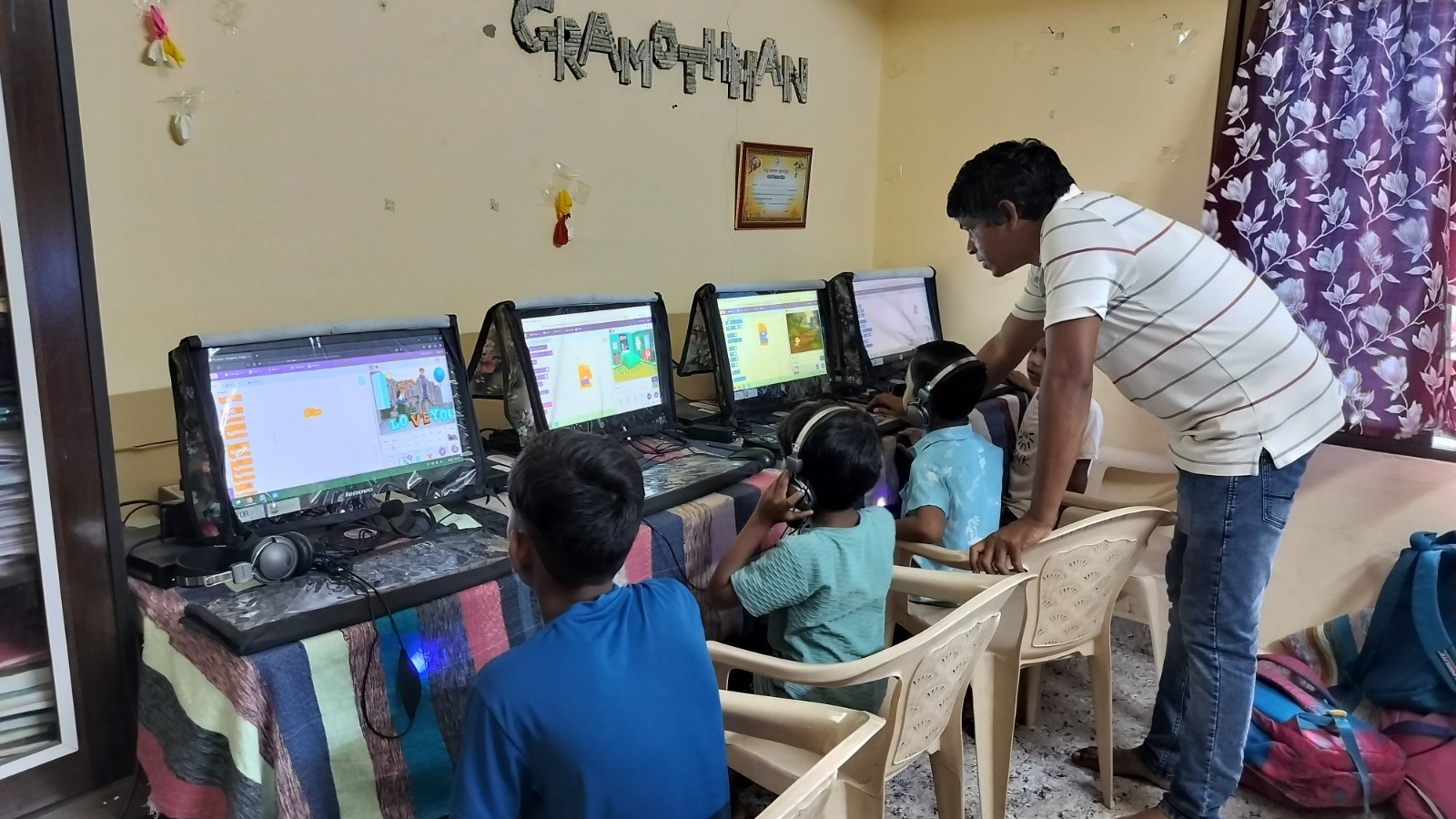
Here is a step-by-step approach any parent can follow to introduce a computer responsibly, from day one:
- Have the “this is a tool, not a toy” conversation first: Before your child touches the keyboard, sit with them and explain clearly: this computer is for learning, for school assignments, and for educational exploration. It is not a gaming console or a streaming device. Keep the tone warm and positive; you are setting a foundation, not issuing a punishment. This is the core of any solid first computer guide for kids in India that parents should follow.
- Set rules together, not just for them: Children respect rules they helped create. Ask your child: “How long do you think is fair for computer time on school days?” “What should happen if you accidentally see something that makes you uncomfortable?” Making them part of the conversation builds ownership over the rules and compliance without constant nagging.
- Show them how to use it before letting them explore on their own: Spend the first 3 to 5 sessions using the computer together. Show them the learning platforms, how to navigate safely, how to search for educational content, and how to close something if it does not feel right. Guided first experiences build confidence and safe habits simultaneously.
- Teach them what to do when something goes wrong: Every child will eventually encounter something unexpected online, a disturbing video, an uncomfortable message, or a website that feels wrong. The most important thing you can teach is not “don’t look at bad things” but “come to me immediately if you see something that bothers you.” A child who knows they can tell a parent without fear will do so. A child who fears punishment will hide it.
- Place the computer in a shared family space: Digital safety children benefit from most is not surveillance, it is presence. A computer in the living room or a common study area is naturally supervised without requiring constant checking. The simple act of location removes most of the risk associated with unsupervised device use.
- Review together weekly, not to police, but to connect: Once a week, ask your child to show you one thing they learned on the computer. Make it a positive conversation. This keeps you informed, shows your child you are genuinely interested, and reinforces that the computer is a shared family tool, not a private screen hidden behind a bedroom door.
Discover how Apna PC supports responsible, structured computer use from the very first session on our What Is Apna PC page.
How the Right Device Makes Responsible Use Easier
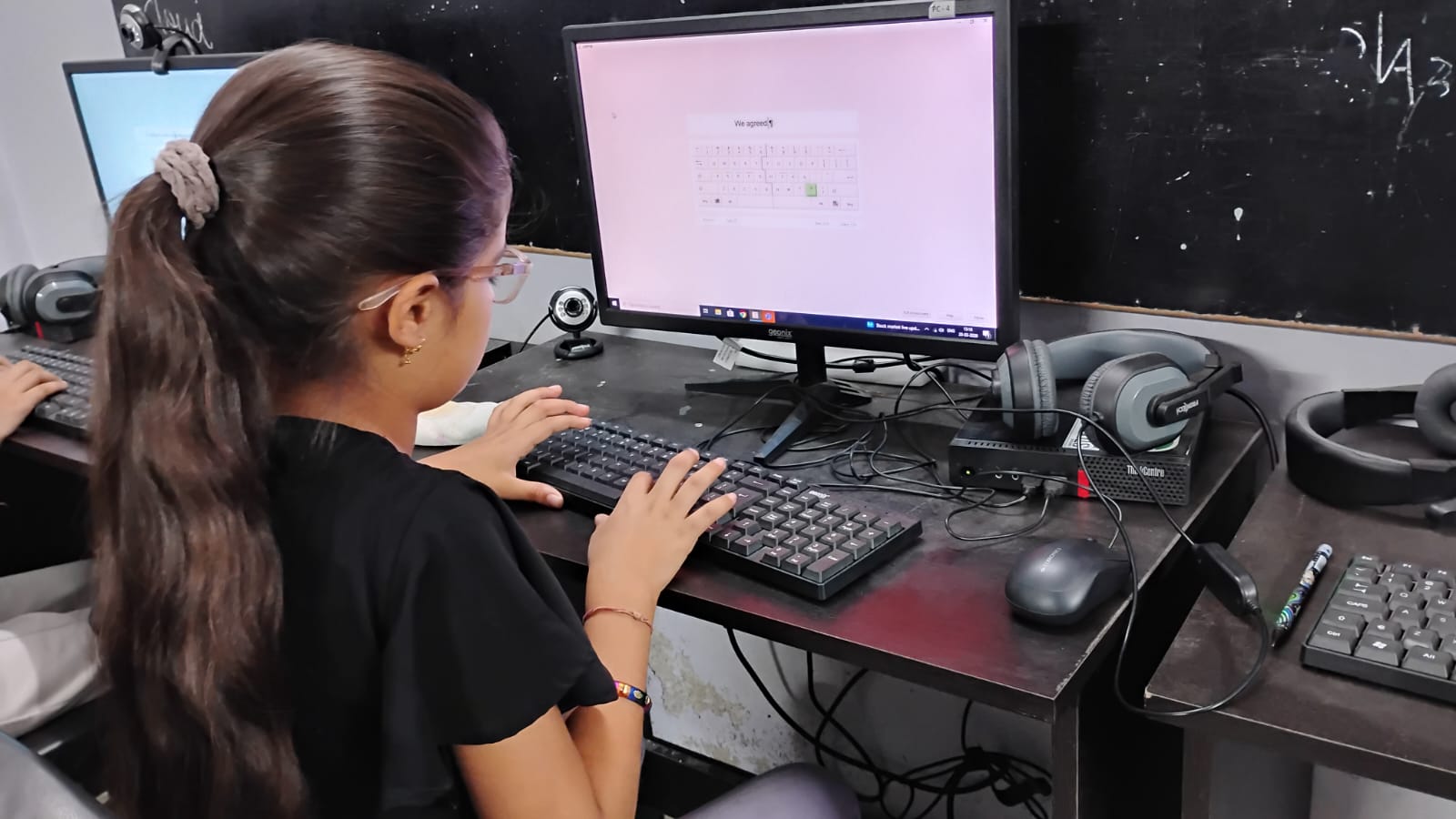
Teaching kids computer use in India is far easier when the device itself supports responsible behaviour. A general-purpose laptop works against you: it is loaded with potential distractions, offers open access to every corner of the internet, and provides no structure to guide a child toward learning.
Apna PC changes this entirely. At Rs. 21,000 (shipping and GST excluded), it is a device built to support exactly the kind of responsible first use you are trying to establish. Safe browsing is built in from day one, no configuration needed. Educational content is preloaded and front-and-centre. There are no social media apps, no gaming platforms, and no entertainment shortcuts pulling your child away from purposeful use.
When a child’s first computer experience happens on a device designed for learning, responsible habits form naturally. The environment shapes the behaviour. A cluttered, unrestricted general laptop teaches a child to consume passively. A focused, purpose-built educational computer teaches a child to use technology intentionally, exactly the habit you want them to develop.
CBSE’s digital literacy curriculum now includes responsible technology use as a core learning outcome for Indian students, recognising that knowing how to use a computer well is inseparable from knowing how to use it responsibly. Parents who build this foundation at home give their children a head start in every digital environment they will ever encounter.
Read more about creating a safe and structured digital learning environment at home on our Why Every Indian Student Needs Their Own Computer page.
Responsible computer use is not something children develop on their own. It is something parents teach, one conversation, one session, and one good habit at a time. Start right, and the foundation lasts a lifetime. Visit apnapc.com to learn more.