

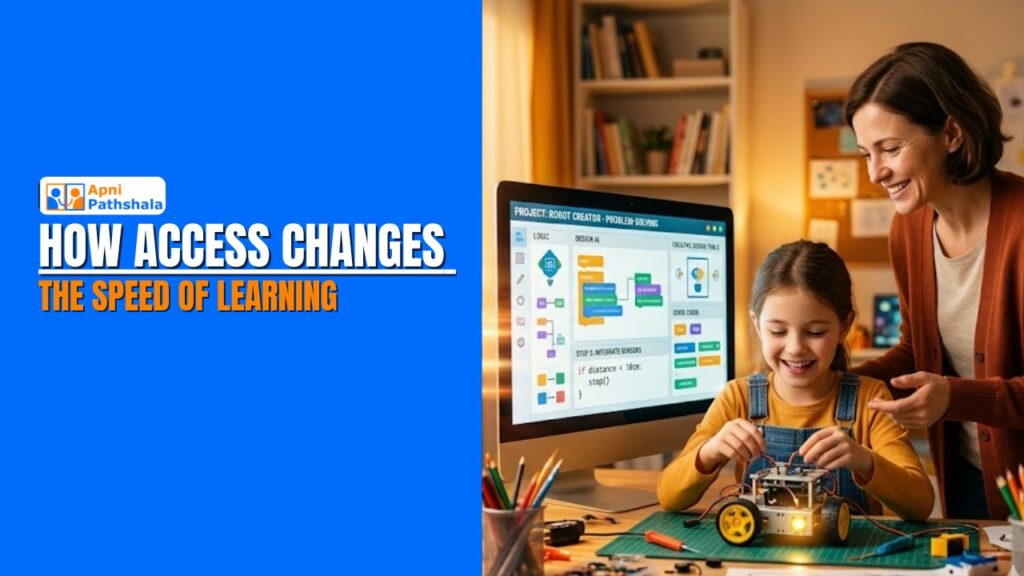
When Haripriya first held a tablet in her hands, something shifted. This wasn’t just a device; it was a window to worlds she’d only heard about. Living in a small village where the nearest library was 15 kilometers away, her learning had always been limited by what her school could offer. But that changed the day digital access arrived at her doorstep.
Within weeks, Haripriya wasn’t just catching up with students in big cities. She was moving ahead. The same lessons that once took her days to understand now clicked in hours. Access didn’t just give her information, it changed how quickly she absorbed it.
Why Digital Access Transforms Learning Speed
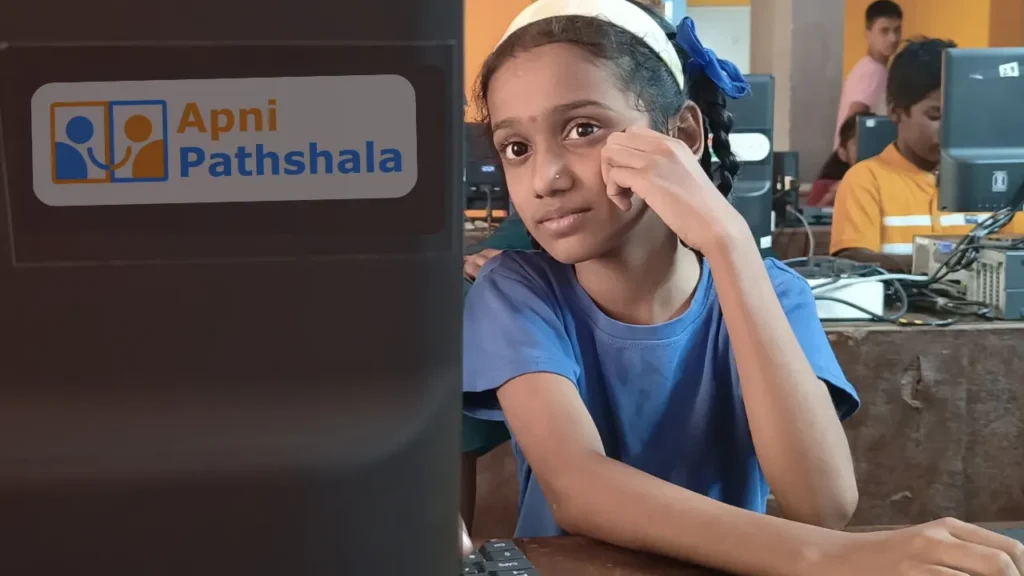
Think about learning anything new without the internet. You’d need books, teachers, or people who already know the subject. If those aren’t available, you wait. You travel. You make do with what you have.
Digital access removes that waiting game. When a student can instantly find tutorials, videos, and explanations, they don’t lose days searching for resources. They start learning immediately. This shift from “where do I find this?” to “let me understand this” compresses months of struggle into weeks of progress.
Students like Surendra from Apni Pathshala experienced this firsthand. Topics that once felt out of reach became accessible the moment he had a device with internet.
Access Creates Consistency in Practice
Learning anything requires practice. But practice needs feedback, and feedback needs resources. Without access, students practice blindly, making the same mistakes repeatedly because they can’t see what they’re doing wrong.
With digital access, every practice session becomes productive. Students can check their work immediately, watch corrected examples, and adjust their approach in real time. This immediate feedback loop separates slow, uncertain progress from rapid, confident growth.
When Sruthi started using educational apps, she noticed something truly different. Instead of finishing homework and wondering if she got it right, she could verify her understanding instantly. That consistency in practice doubled her learning speed within a single academic term.
Resources That Match Individual Pace
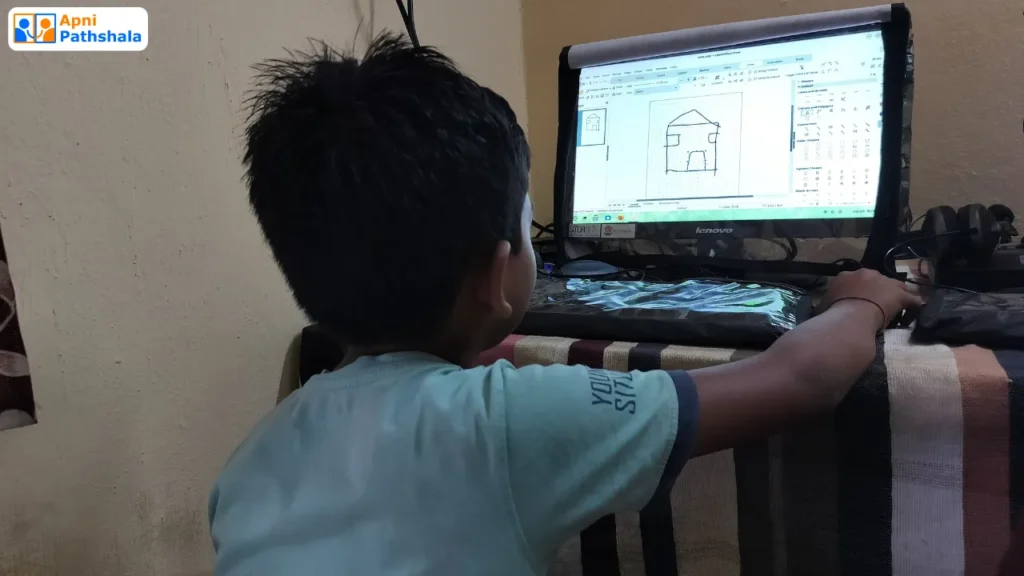
Every student learns differently. Some grasp concepts quickly but need more practice to retain them. Others need multiple explanations before things click. Traditional classrooms can’t always accommodate these differences, but digital access can.
Online resources let students pause, rewind, replay, and revisit as many times as they need. They can skip what they already know and spend extra time on what confuses them. This personalized pacing becomes natural when students control their own learning journey.
Devendra found this valuable for mathematics. Concepts his teacher explained once became clear after watching different video tutorials, each approaching the problem differently. Access gave him options and speed.
Connection to Quality Education Materials
Not all learning resources are created equal. Students in rural areas often depend on outdated textbooks or limited materials. These resources can’t compete with the constantly updated content available online.
Platforms like NCERT provide standardized educational materials that students anywhere can access. Similarly, initiatives like DIKSHA bring teacher training resources and learning content directly to students’ devices.
When students access the same resources as those in premium urban schools, the gap in learning speed quickly narrows. It’s about having the right materials available when you need them.
Breaking Geographic and Economic Barriers
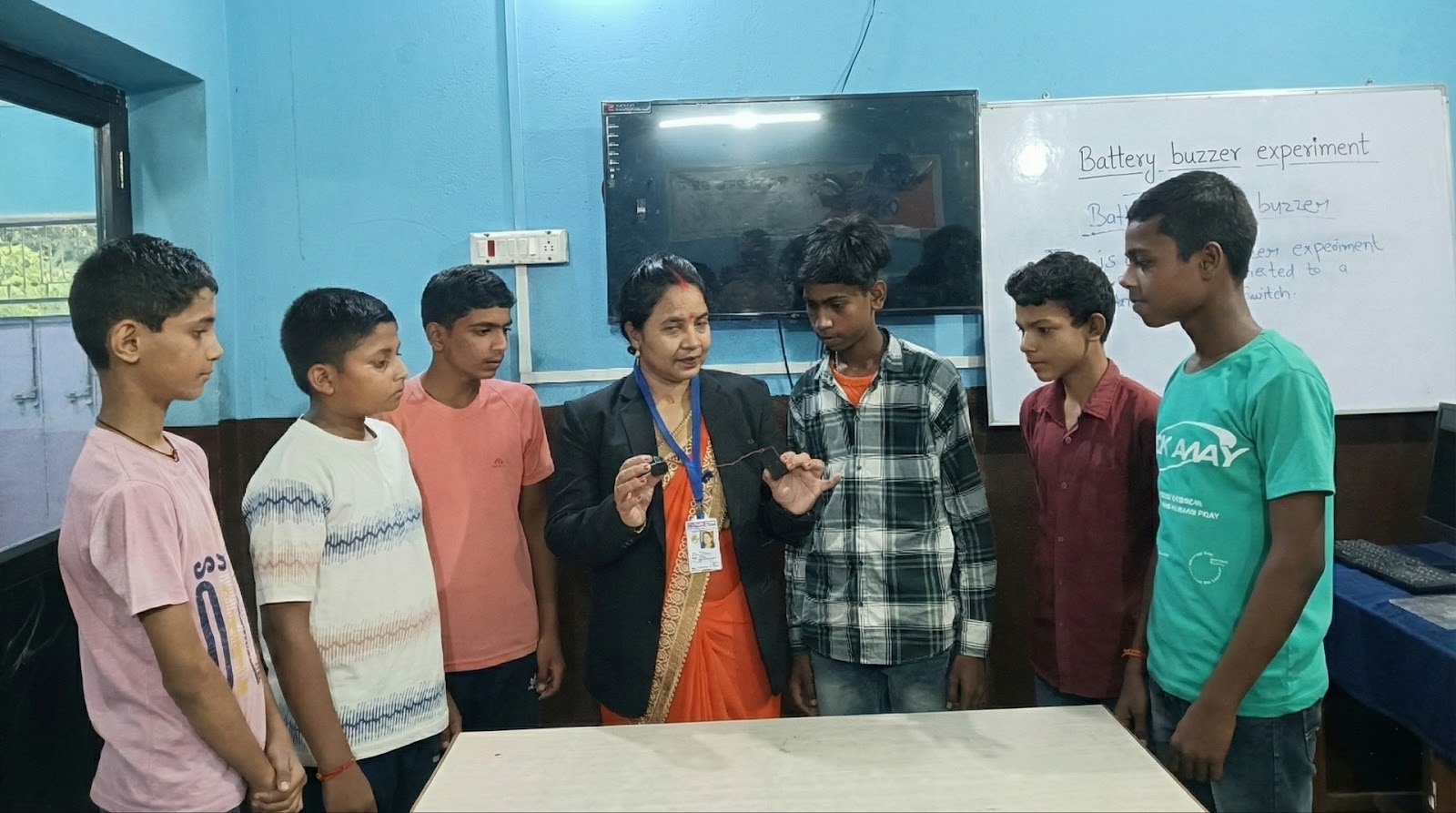
Distance learning isn’t new, but effective distance learning requires more than just video lectures. It needs interactive content, practice opportunities, and assessment tools. Digital access brings all these elements together in ways traditional correspondence courses never could.
Students who once traveled hours to reach coaching centers now access the same quality instruction from home. Families who couldn’t afford expensive tutoring find free alternatives online. Barriers of geography and economics become manageable challenges rather than walls.
As discussed in our analysis of digital access as a basic need, this shift represents a fundamental change in how education reaches students.
Building Confidence Through Self Direction
Perhaps the most underrated aspect of digital access is how it changes students’ relationship with learning. When students can find answers independently, verify their understanding, and explore topics beyond their curriculum, they develop confidence in their ability to learn.
This confidence accelerates everything. Students stop waiting for teachers to explain concepts and start seeking understanding proactively. They stop fearing difficult subjects and start approaching them with curiosity.
Sivani’s experience captures this perfectly. Before having digital access, she struggled with science, waiting for her teacher to explain each concept. After getting a device, she started exploring topics before class, arriving with questions rather than confusion.
As we’ve explored before, this transformation happens faster than most expect. Access changes not just what students learn, but how quickly they believe they learn.
Ready to transform learning speed for students in your community? Explore how Apna PC at ₹21,000 (shipping and GST excluded) can bridge the digital divide.