

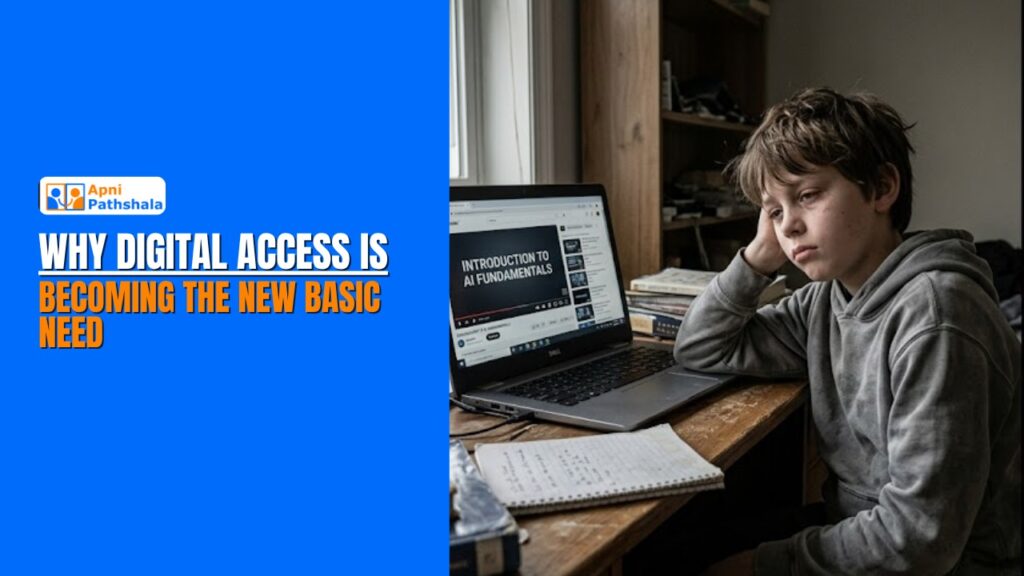
Sruthi used to walk 3 kilometers to the nearest cyber cafe just to check her exam results. During board exams, she would wait for hours because the connection was slow. Her parents, both daily wage workers, could not afford a computer at home. They barely managed school fees. Then Apna PC came to her village. Sruthi got her own refurbished computer. That moment changed everything. She could study late at night, watch educational videos, and practice coding. Today, Sruthi is pursuing her BSc in Computer Science. One device made that possible.
The Gap That Keeps Growing
We talk about education being the great equalizer, but we rarely talk about the tools needed to access that education. In urban areas, students have laptops, tablets, and high-speed internet. In rural India, many still rely on shared computers or slow mobile connections. This is not just a technology problem. It is an access problem. When a student cannot download a PDF textbook because their mobile data is limited, they fall behind. When they cannot attend online classes because the nearest cyber cafe is 5 kilometers away, they miss opportunities. What one device can do goes beyond convenience. It opens doors that stay closed otherwise.
Why Digital Access Matters Now More Than Ever
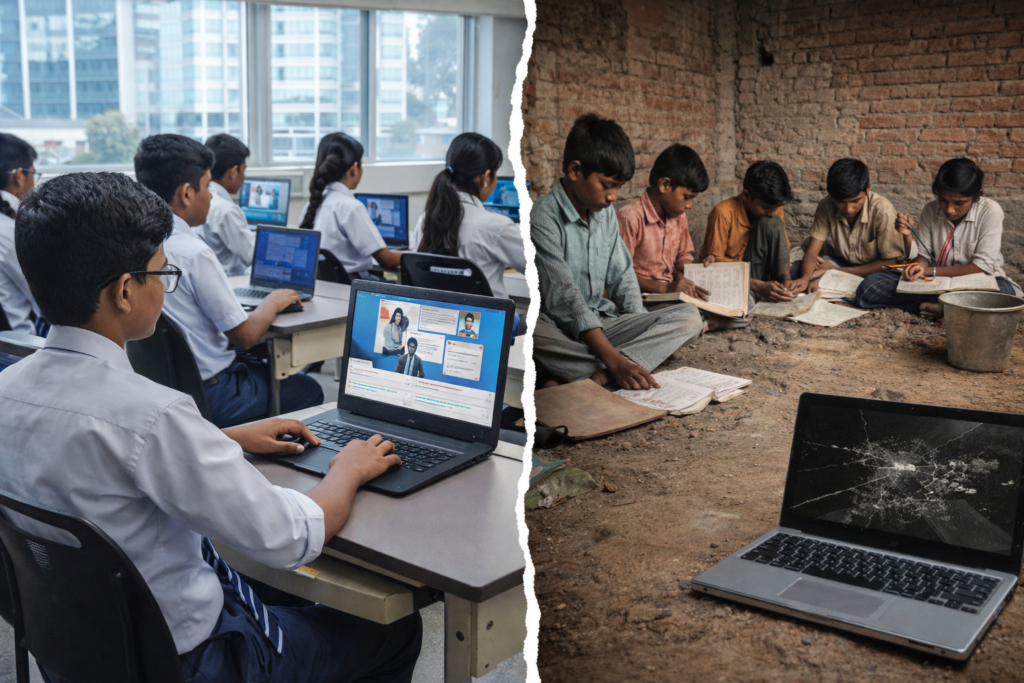
The world shifted online after 2020. Schools moved to digital classrooms. Jobs started requiring basic computer skills. Government services became available through web portals. Students without digital access found themselves cut off from progress. According to Digital India, over 50 crore Indians now use the internet, but the digital divide remains stark. Rural areas still lag behind urban centres in device ownership and connectivity. This gap creates inequality that traditional education reforms cannot fix. We need to address the root cause: lack of affordable computing devices.
What Education Looks Like With A Computer
Surendra from Maharashtra used to borrow his neighbor’s smartphone to watch science videos on YouTube. The screen was small, the battery would die quickly, and he could not take notes easily. When he got an Apna PC, his study habits transformed. He could pause videos, rewind them, and take detailed notes on a proper keyboard. He could save resources offline. His grades improved within months. This is not a coincidence. When students have the right tools, they learn better. They engage more deeply with content. They take ownership of their education.
The Cost Barrier And How To Break It
New computers cost anywhere from 30,000 to 60,000 rupees. For most rural families, this is several months of income. Even students who want to learn cannot afford these prices. This is where affordable refurbished computers come in. A reliable second-hand device can cost half the price of a new one while offering the same functionality. Students do not need the latest specs. They need something that works, that runs educational software and connects to the internet. Why some students move forward often comes down to having access to these affordable options.
Beyond Devices: Creating Digital Confidence
Having a computer is only the first step. Students also need to know how to use it. Many first-generation learners feel intimidated by technology. They worry about breaking something or making mistakes. This is where digital literacy programs become crucial. The Ministry of Education has launched several initiatives to bridge this gap. Learn more about these programs at the official education portal. When students gain confidence with technology, they start exploring on their own. They discover new interests. They build skills that will serve them for life. Haripriya, another Apna PC student, taught herself graphic design after getting her computer. Now she freelances and earns money while still in college.
A Basic Need For The Modern World
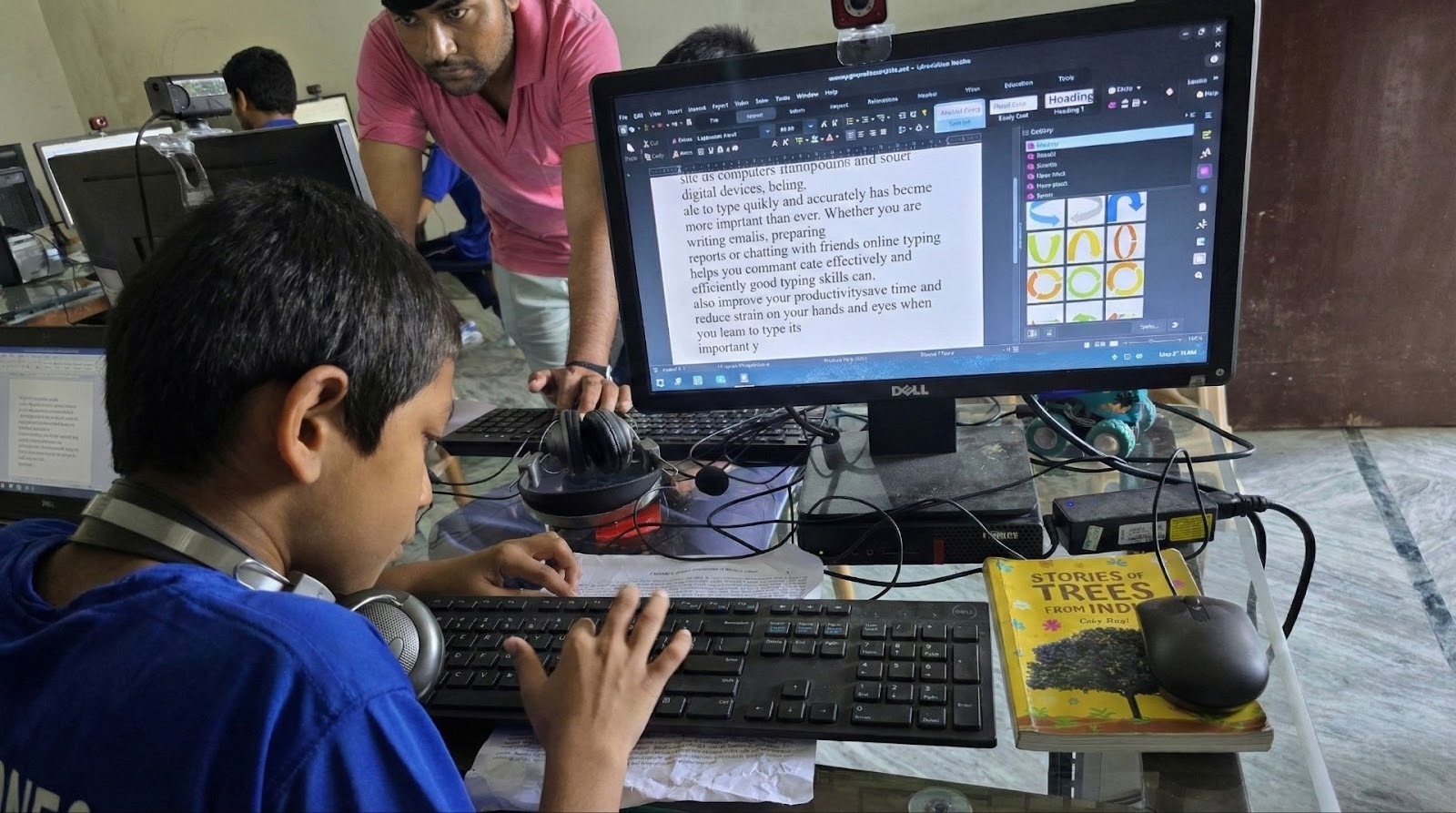 Food, shelter, and clothing have always been considered basic needs. But in 2026, digital access deserves a place on that list. Without it, students cannot fully participate in modern education. They cannot access government services. They cannot compete for jobs requiring digital skills. The definition of basic needs evolves with society. Electricity was once a luxury. Now it is essential. Internet access and computing devices follow the same path. We need to treat digital access as a fundamental right, not a privilege.
What You Can Do Today
If you are reading this, you already have digital access. You have the power to help someone who does not. Donate an old laptop. Support organizations providing refurbished computers to students. Spread awareness about the digital divide. Every action counts.
Ready to bridge the digital divide? Get a reliable refurbished computer today at Apna PC starting at just ₹21,000 (shipping and GST excluded).