

I remember meeting Sruthi at a learning ce
nter in rural Telangana. She was in 10th grade, brilliant at mathematics, but struggling with something that wasn’t her fault. Her teachers would assign online practice tests, research projects, and digital homework. But Sruthi had no computer at home.
Every evening, she would walk 3 kilometers to the nearest internet café, pay ₹20 per hour, and try to complete her work before the shop closed. Some days she made it. Most days she didn’t.
For three years, Sruthi worked harder than any student I’ve ever met. She stayed up late, borrowed notes from classmates, and asked teachers for extra help whenever she could. But the gap between her and students with computers at home kept widening every single day. It wasn’t about intelligence. It wasn’t about effort. It was about access, pure and simple.
The Hidden Barrier in Every Home
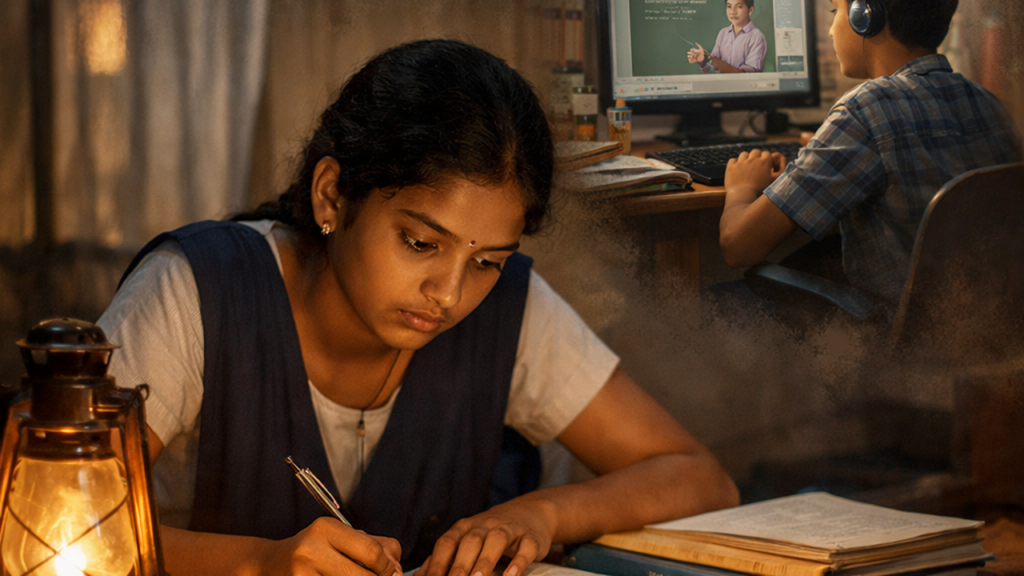
When we talk about education inequality, we usually think of schools, teachers, or curriculum quality. But there’s a silent barrier that exists inside millions of homes across India: the absence of a personal computer.
Students like Sruthi don’t lack motivation. They don’t lack talent or determination. What they lack is the tool that has become as essential as textbooks were a generation ago. A computer isn’t a luxury anymore. It’s the gateway to practice tests, video lessons, research materials, and skill building platforms that define modern education.
Without it, even the hardest working student falls behind quickly.
Why Effort Alone Cannot Bridge the Gap
Here’s what breaks my heart: students and parents often believe that if they just work harder, they’ll catch up eventually. But effort without the right tools is like trying to fill a bucket with a hole in it.
A student who spends 2 hours at an internet café gets a fraction of what a student with a home computer accomplishes in the same time. The travel time, the cost, the limited hours, the distraction of a public space, all of these create invisible barriers that effort alone cannot overcome.
I’ve seen this pattern repeat with Surendra, Devendra, Haripriya, and Sivani. Different states, different backgrounds, same heartbreaking story. They worked incredibly hard, but without a computer at home, they simply couldn’t access the same learning resources as their more fortunate peers.
What One Device Can Do in Six Months
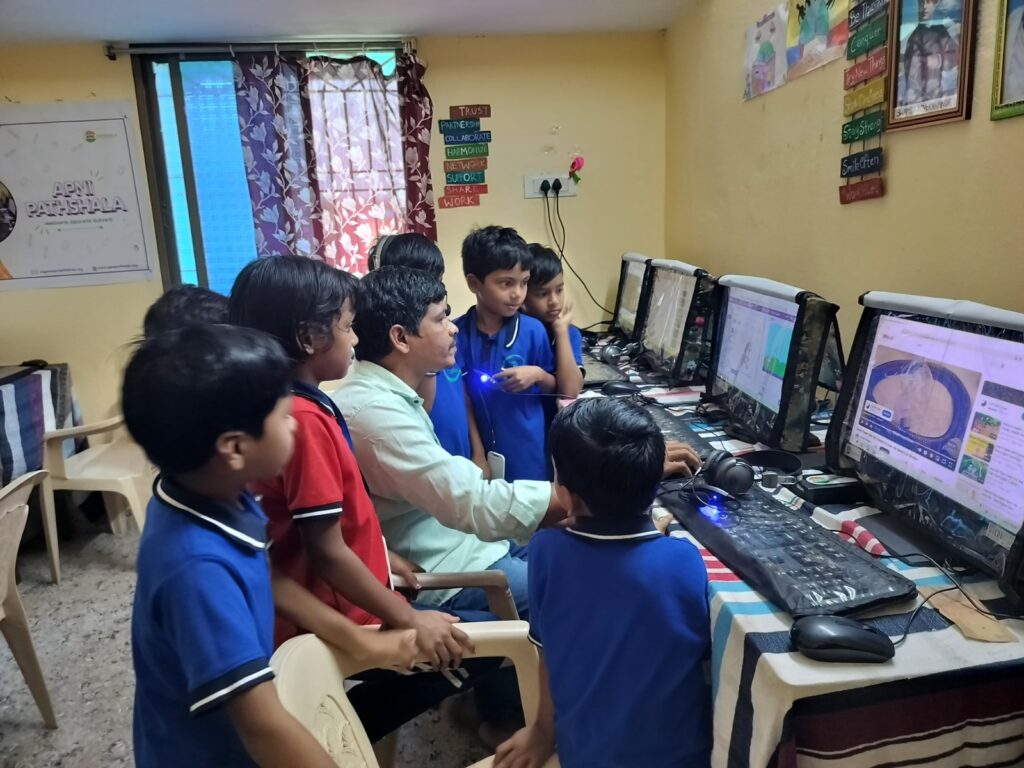
When Sruthi finally got a computer at home through Apna PC, the change was dramatic and immediate. In just six months, she completed over 200 online practice tests, watched 50+ hours of video lessons, and learned basic programming through Coursera.
Her grades improved across all subjects, not just math. Why? Because she could now research topics, type assignments, and explore subjects far beyond her textbook. The computer didn’t replace her effort. It multiplied her efforts exponentially.
This is what one device can do. It takes the same hard work and makes it 10 times more effective.
Building Skills That Last a Lifetime
A home computer doesn’t just help with schoolwork. It opens doors to skills that define careers in today’s economy. Students can learn coding, design, data analysis, and digital marketing through platforms like edX, often for free.
These aren’t skills taught in most schools. But they’re skills that employers actively seek and reward. A student with a computer at home can start building these abilities at age 14, while students without access won’t even know these opportunities exist until much later in life.
The gap compounds over time. What seems like a small disadvantage in school becomes a massive career gap 10 years later.
The Real Cost of Waiting
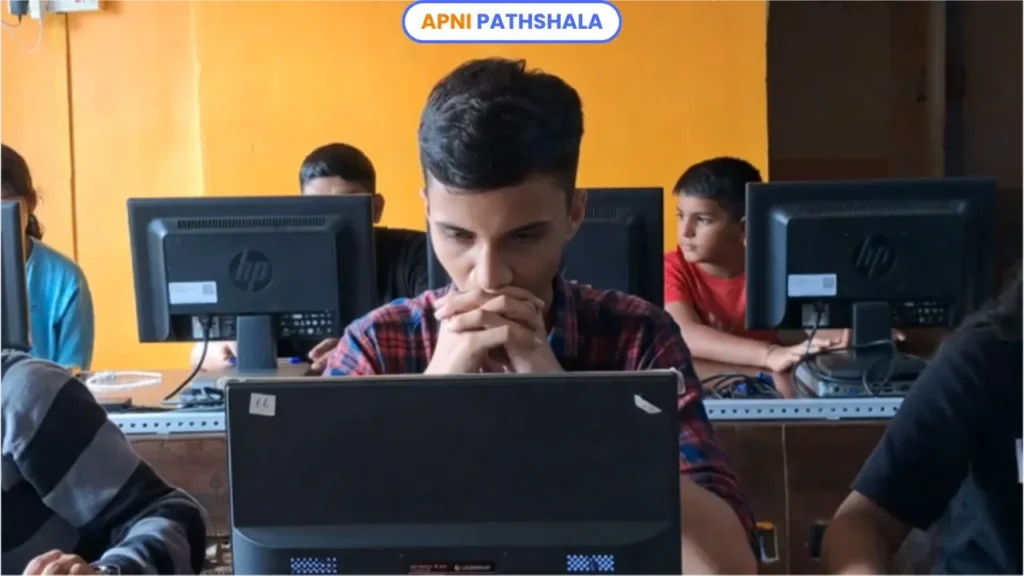
Many families think, “We’ll buy a computer when we can afford a good one.” But waiting has a hidden cost that compounds every single year. Every year without a computer is a year of falling further behind.
Students who get computers in college have to play catch up constantly. They’re learning basic skills their peers mastered years ago. This affects their confidence, their grades, and their future job prospects significantly.
As we discussed in The Real Difference Between Students Who Struggle and Those Who Grow the students who thrive aren’t necessarily the smartest ones. They’re the ones who had access to tools early on.
The Learning Gap No One Talks About
The conversation about education needs to change fundamentally. We can’t keep telling students to work harder while ignoring the fact that some of them are working with both hands tied behind their backs.
As we explored in The Learning Gap No One Talks About at Home, access to a computer at home creates real opportunities that no amount of tuition or coaching can replicate.
It’s time we recognize that one device can do what years of effort cannot: level the playing field for every student, regardless of their background.
Ready to give your child the tool they need to succeed? Get Apna PC for just ₹21,000 (shipping and GST excluded) at Apna PC.