

The Bill Nobody Sees
Amit’s son is in Class 8 in a government school in Varanasi. Good student. Curious kid. His teachers say he’s got potential. But every time there’s a project that needs online research or a typed assignment, Amit’s son borrows a neighbor’s phone, squints at a tiny screen, and somehow puts something together.
He gets by. But getting by isn’t the same as getting ahead.
His mother worries sometimes. She knows other kids in his class have laptops at home. She sees the gap growing but can’t quite name it.
And that’s the thing about not having a computer at home. The cost isn’t obvious. There’s no bill that arrives at your door saying, “your child missed out on learning graphic design this month” or “your daughter could have practiced coding but didn’t.” It’s invisible. And that’s what makes it dangerous.
What Kids Without Computers Actually Lose
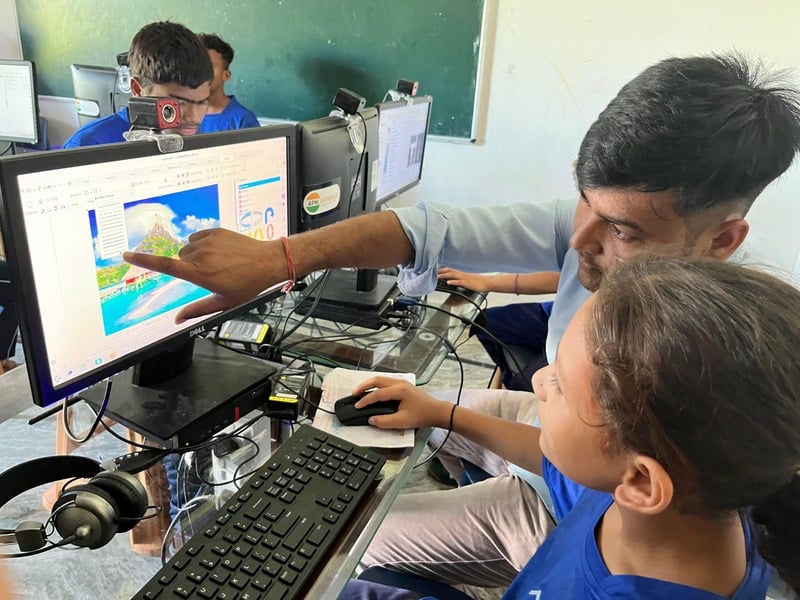
Let’s talk specifics. Because this isn’t some vague “technology is important” argument. This is about real, everyday losses that stack up over time.
They Lose Research Skills
A student with a computer learns how to search for information, evaluate sources, and organize what they find. A student without one learns how to copy from a friend who has one. There’s a massive difference between those two outcomes, and it shows up in board exams, college applications, and eventually job interviews.
They Lose Creative Exploration
When a child has a computer, they stumble onto things. They find a video about space and suddenly want to know about black holes. They discover a music app and start composing beats. They watch someone code a website and think, “I could do that.”
Without a computer, exploration is limited to what’s in their textbook and what’s on a phone screen between YouTube shorts. That’s not exploration. That’s consumption.
They Lose Confidence
This one hurts the most. Kids notice when they’re behind. When their classmates talk about things they built or learned online, and all you can do is nod, it creates a quiet gap in confidence that grows wider every year.
UNESCO’s research on digital education consistently shows that students without home access to computers fall behind not just academically, but in their belief in their own abilities.
The Numbers Nobody Wants to Talk About
Here’s a rough picture. A student who starts using a computer in Class 6 has roughly four to five years of digital skills by the time they finish school. That’s four years of learning to type, research, create presentations, use spreadsheets, maybe even write basic code.
A student who never had access? They start from zero in college. Or worse, in their first job.
The gap isn’t about being “tech savvy.” It’s about being prepared for a world that runs on screens. And according to India’s Ministry of Education, digital literacy is now considered a foundational skill alongside reading and math.
Think about that. It’s not a bonus anymore. It’s a baseline.
But Computers Are Expensive, Right?
That used to be true. A decent laptop could set you back 30,000 to 40,000 rupees. For a family earning 20,000 a month, that’s not realistic.
But things have changed. Refurbished computers with educational software preinstalled now cost a fraction of that. Machines that run smoothly, last years, and come with everything a student needs for schoolwork and self-study.
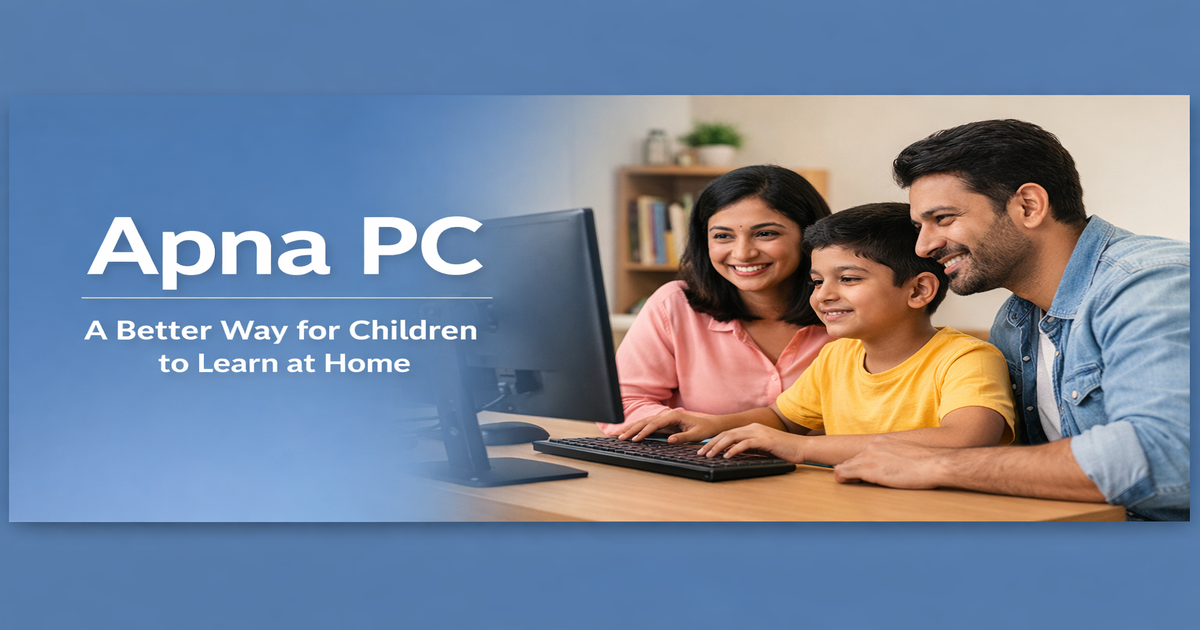
That’s exactly what Apna PC was built for. Not fancy gaming rigs. Not overpriced brands. Just solid, affordable machines that give kids what they actually need: access.
It’s Not a Luxury. It’s an Investment.
Parents spend thousands on tuition classes every month without blinking. They’ll buy new uniforms, new bags, and new shoes every year. But a computer? “We’ll get one later.”
Later never comes for a lot of kids.
The truth is, a single computer can replace a good chunk of that tuition spend. Free educational resources online, video explanations of tough concepts, and practice tests for competitive exams. It’s all there. The only thing missing is the device to access it.
What You Can Do Today
You don’t need to buy the most expensive machine on the market. You don’t need to understand technology yourself. You just need to recognize that not having a computer at home is costing your child something real, even if you can’t see it on a report card yet.
Start small. A refurbished computer from Apna PC can be that starting point. Set it up on the dining table. Let your child explore. You’ll be surprised how fast they figure things out.
Because the cost of not having a computer isn’t zero. It’s just hidden. And by the time you see it, your child might have already missed years of learning they’ll never get back.
Don’t let that happen. The investment is small. The returns are everything.