

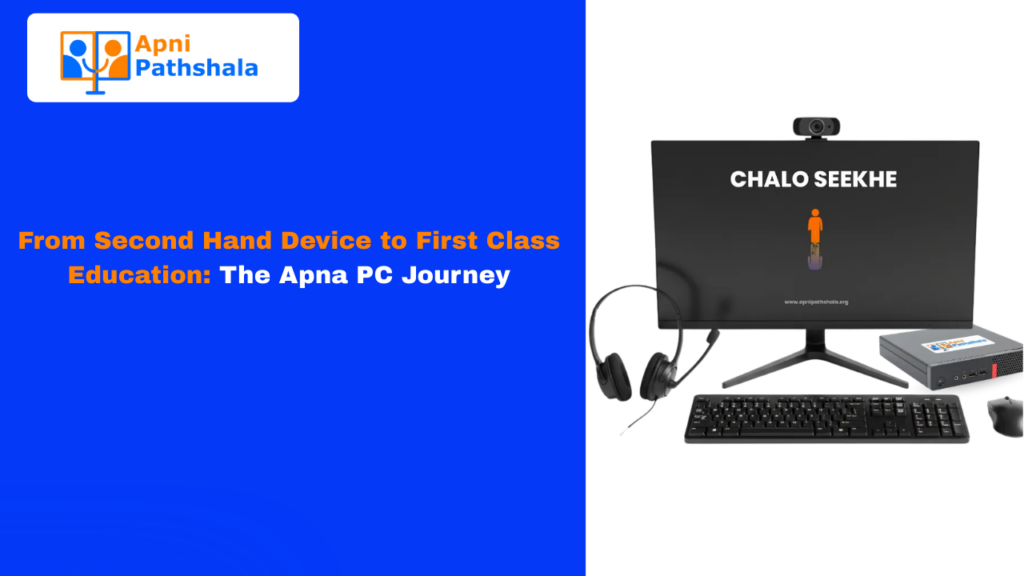
There’s something remarkable that happens when a device heading toward obsolescence gets a second life in the hands of a student who’s never had a computer before. It stops being “second hand.” It becomes that student’s first computer their first experience of looking something up, typing out their own thoughts, creating something digital.
That transformation is what the Apna PC journey is really about. Not just providing hardware, but unlocking potential that was always there just waiting for the right tool.
Where the Journey Starts: The Device
Every Apna PC starts life as a corporate or institutional computer the kind used in offices, colleges, or government departments. After a few years, these organisations upgrade their equipment. The old machines aren’t broken. They’re just no longer the newest.
Before these computers reach students, they go through a careful refurbishment process. Hardware components are checked. Worn parts are replaced. The system is cleaned, reconfigured, and loaded with educational software appropriate for school-level learning. By the time it reaches a student’s home, it’s not a cast-off. It’s a properly prepared learning tool.
This process also has an environmental benefit that’s worth noting: extending a computer’s useful life keeps it out of the e-waste stream. A device that gets two more years of productive use before disposal is genuinely better for the planet than one that gets discarded prematurely.
The First Week: When Everything Changes
Ask any parent whose child received their first personal computer and they’ll tell you: the first week is extraordinary. Suddenly the child who struggled to engage with textbooks is watching science videos for fun. The student who always said math was boring is playing through educational puzzles at midnight.
This isn’t because the computer is magic. It’s because ownership changes everything. When students have their own device something they can explore without time limits, without waiting for a turn, without worrying about breaking something that doesn’t belong to them they engage differently. Deeply. Curiously.
According to UNESCO’s digital education reports, personal device access significantly increases the time students spend in self-directed learning activities. The numbers back up what parents observe firsthand.
Building Skills That Schools Can’t Always Teach
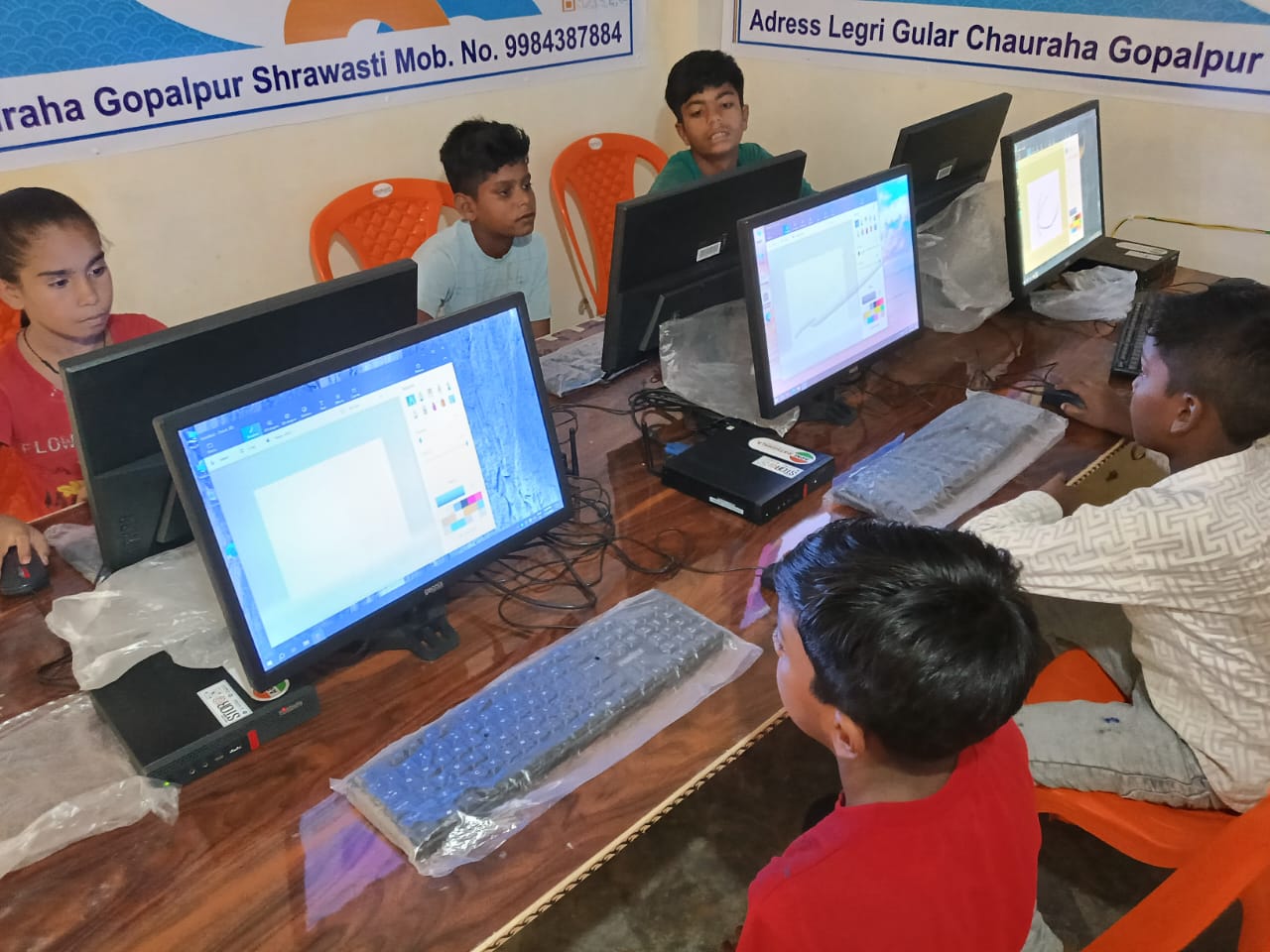
School curricula are important, but they’re also constrained by time, by resources, by the need to cover mandatory content. A personal computer breaks those constraints. Students can go as deep as they want on topics that fascinate them. They can learn to type properly, build basic spreadsheets, create presentations, or explore programming concepts through free platforms online.
These aren’t abstract future skills. Typing fluency, basic computer operation, and internet navigation are already expected by most employers and almost all college programs. A student who arrives at Class 11 or a college entrance exam with solid computer skills has a genuine advantage over one who doesn’t.
The Ministry of Education’s ICT in School Education program acknowledges that digital competency is now part of foundational education. Apna PC is a practical tool for achieving exactly that at home, at the student’s own pace.
From Device to Destination: What the Journey Leads To
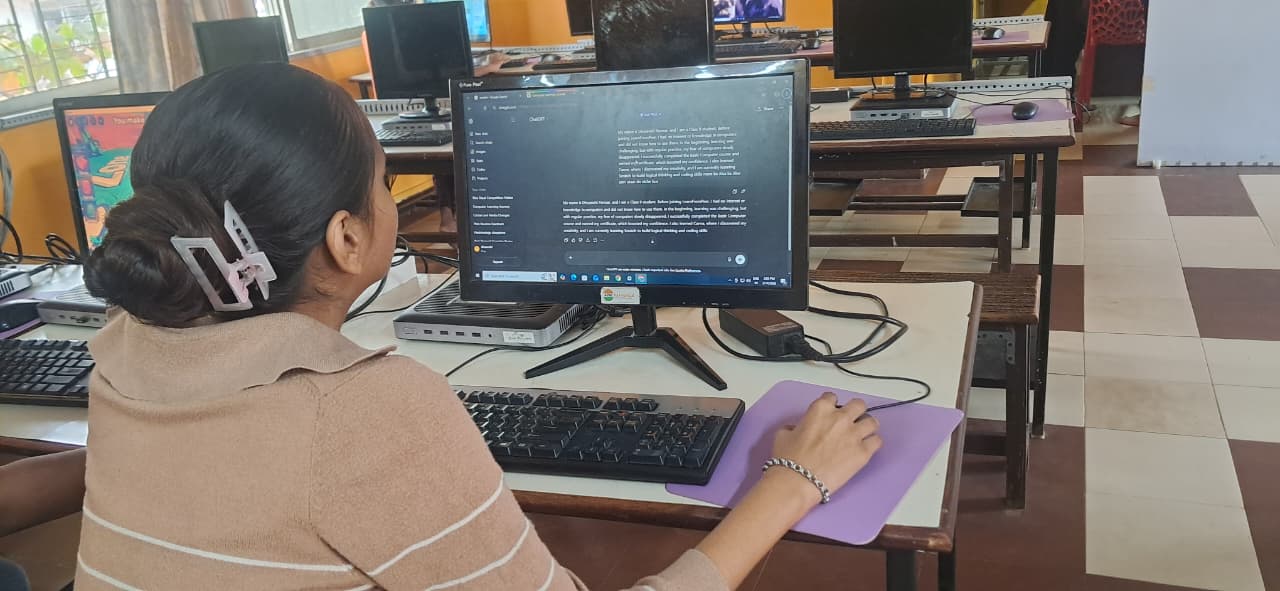
The Apna PC journey doesn’t end when the device reaches a student’s home. It begins there. Over months and years, that computer becomes a companion in learning the tool through which a student explores interests, completes assignments, prepares for exams, and develops skills they’ll carry into adulthood.
Families who’ve gone through this journey often describe a noticeable shift in how their children approach learning overall. The computer doesn’t just help with schoolwork. It changes the relationship with learning itself.
Read more about how Apna PC builds digital confidence one student at a time. That confidence built through exploration, practice, and real use is what turns a second hand device into a first class education.