

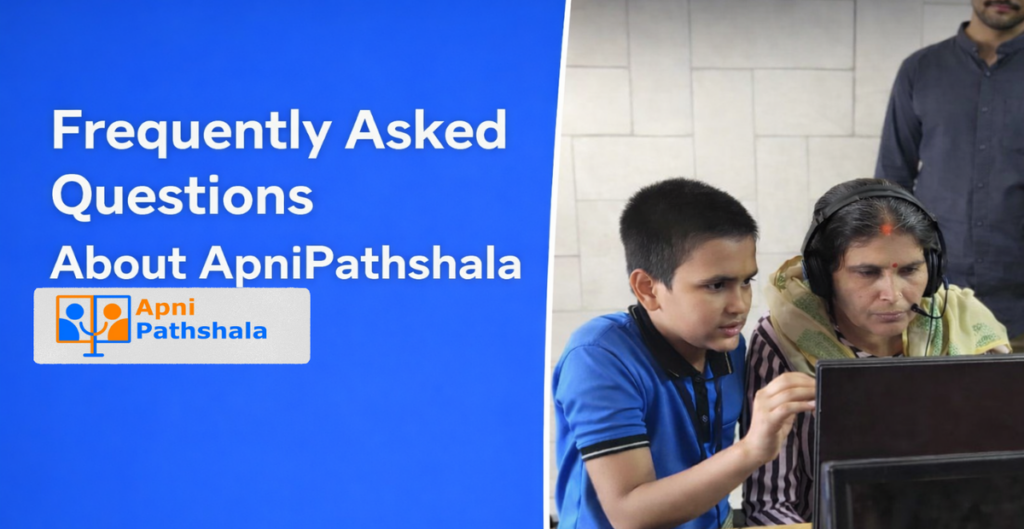
Choosing the right learning environment for a child is one of the most important decisions a parent makes. As conversations around alternative education grow, many parents are searching for learning spaces that value curiosity, independence, and emotional well-being alongside academics. ApniPathshala has emerged as a learning initiative that is quietly reshaping how education can work when children are trusted to take charge of their own learning.
Why is ApniPathshala gaining attention so quickly?
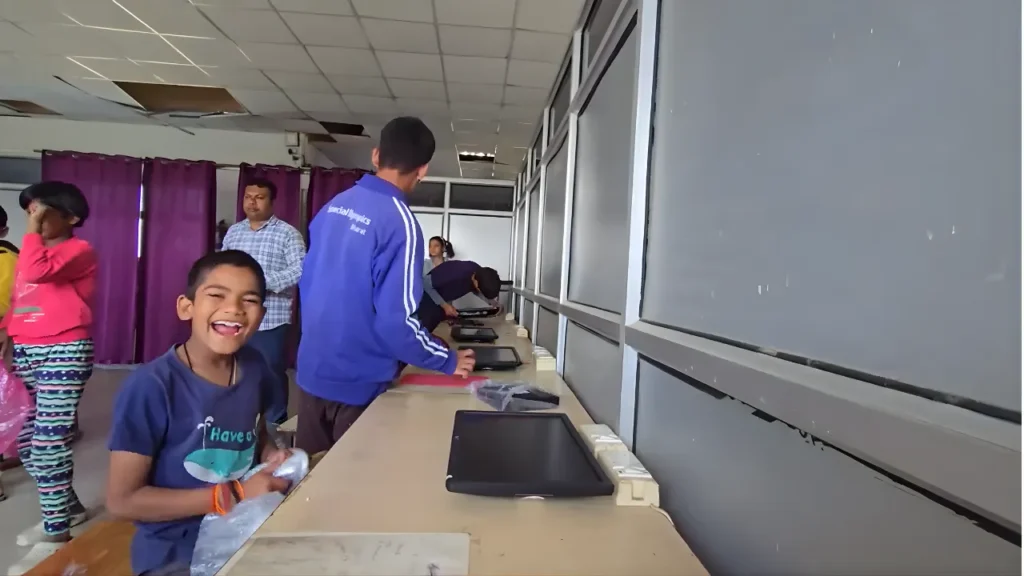
ApniPathshala has become widely known because it operates with openness and honesty. Instead of relying on heavy marketing, it shares its learning journey publicly its experiments, reflections, and improvements are visible to parents and communities.
Parents today are increasingly dissatisfied with stress-driven schooling models. When they see children learning joyfully, without fear of exams or excessive homework, they naturally talk about it. This genuine word-of-mouth has helped ApniPathshala grow in visibility.
What makes ApniPathshala truly different?
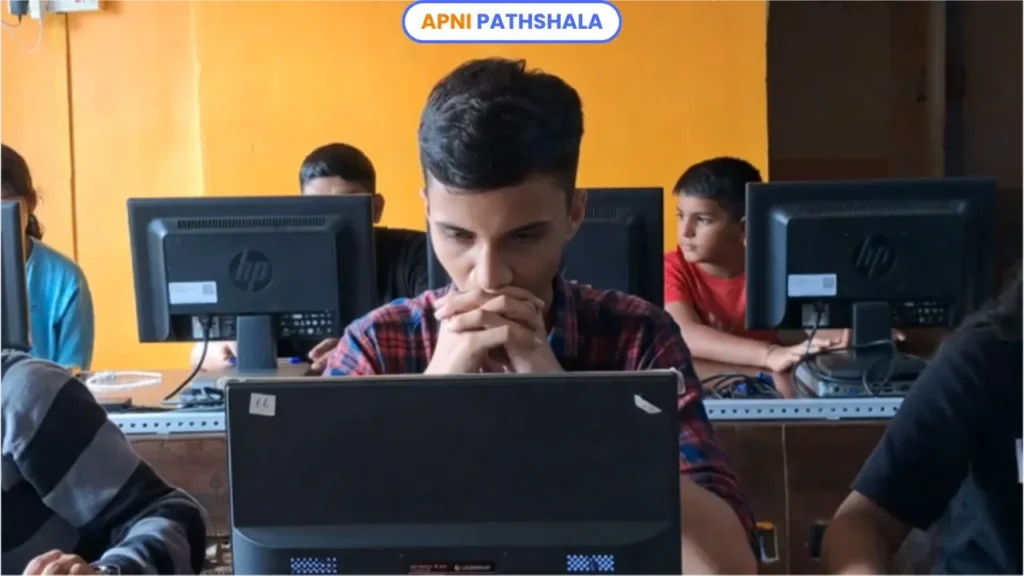
While many schools claim to be innovative, ApniPathshala’s difference lies in its mindset rather than labels. Children here are not passive listeners following instructions; they are active participants shaping their own learning paths.
Learners choose what they want to explore, learn at their own pace, and grow in mixed-age groups that reflect real-world collaboration. Adults guide and support instead of controlling the process, and mistakes are treated as a natural part of learning rather than failures.
Is there a solid educational foundation behind this model?
Yes, the approach is deeply grounded in learning science. ApniPathshala follows principles of self-directed learning, mastery-based progression, project-based exploration, and metacognition.
The goal is not to rush through a syllabus but to help children understand concepts deeply and develop the ability to learn independently. Structure exists, but it adapts to the learner instead of forcing every child into the same timeline.
How is technology used meaningfully?
Technology at ApniPathshala is designed to support personalised learning rather than replace human interaction. Digital tools handle repetition, practice, and tracking progress so that mentors can focus on discussion, guidance, and emotional support.
Instead of passive screen time, technology becomes a learning companion that allows each child to progress according to their own understanding and curiosity.
How is ApniPathshala funded and sustained?
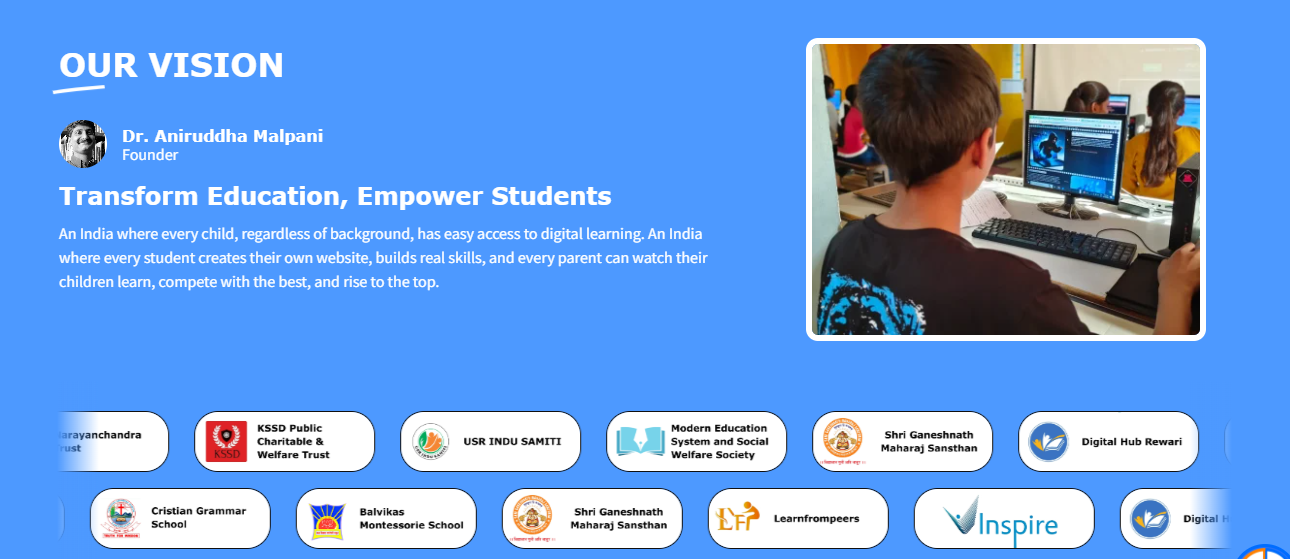
ApniPathshala is personally funded by Dr. Aniruddha Malpani which provides the freedom to prioritise learning over revenue. Without the pressure of fees or donors, decisions are guided solely by what benefits children.
This independence allows for small, thoughtful experiments and continuous improvement, ensuring that only approaches that genuinely help learners are retained.
Are children being experimented on?
This concern is natural for parents. However, ApniPathshala does not experiment on children; it experiments with them. Learners are active contributors in shaping how learning happens.
In contrast, traditional schooling with its heavy focus on memorisation and exams—can itself be seen as a long-running experiment that has not worked for many children. ApniPathshala simply asks whether learning can be more humane and effective.
Without exams, how is learning measured?
Progress is measured through portfolios, learning dashboards, and real evidence of understanding. These tools reflect mastery levels, project outcomes, reasoning ability, and a child’s capacity to explain concepts clearly.
This approach focuses on genuine learning and long-term retention rather than short-term memorisation for tests.
What changes do parents observe?
Parents consistently notice behavioural changes. Children who once resisted learning become curious and engaged. Shy learners gain confidence, and many children arrive early because they genuinely want to learn.
These shifts reflect deeper motivation, ownership, and joy outcomes that traditional report cards often fail to capture.
What is the Return on Time at ApniPathshala?
In conventional schooling, children often spend long hours studying, completing homework, and preparing for exams, yet retain little meaningful understanding. Time is invested, but the return is low.
At ApniPathshala, time is used intentionally. Children work on concepts until clarity is achieved, not until a bell rings. This leads to deeper understanding in fewer hours.
Instead of repetitive homework, time is spent on purposeful projects, exploration, and reflection. The result is a higher return on every hour invested stronger learning, confidence, and independence.
Parents also benefit by seeing reduced dependence on tuition and less academic stress at home, as learning becomes effective within the learning environment itself.
What is the long-term vision of ApniPathshala?
The long-term goal is to help every child become a confident, self-directed learner. This includes access to personal learning tools, transparent progress tracking, and the skills needed to learn anything independently.
As communities and technology evolve, ApniPathshala aims to build scalable learning spaces that prepare children for lifelong learning rather than exam-centric success.
What is the core philosophy behind everything?
At its heart, ApniPathshala believes that when a child learns how to learn, they gain lifelong freedom. Education should empower children to take ownership of their curiosity, decisions, and future.