

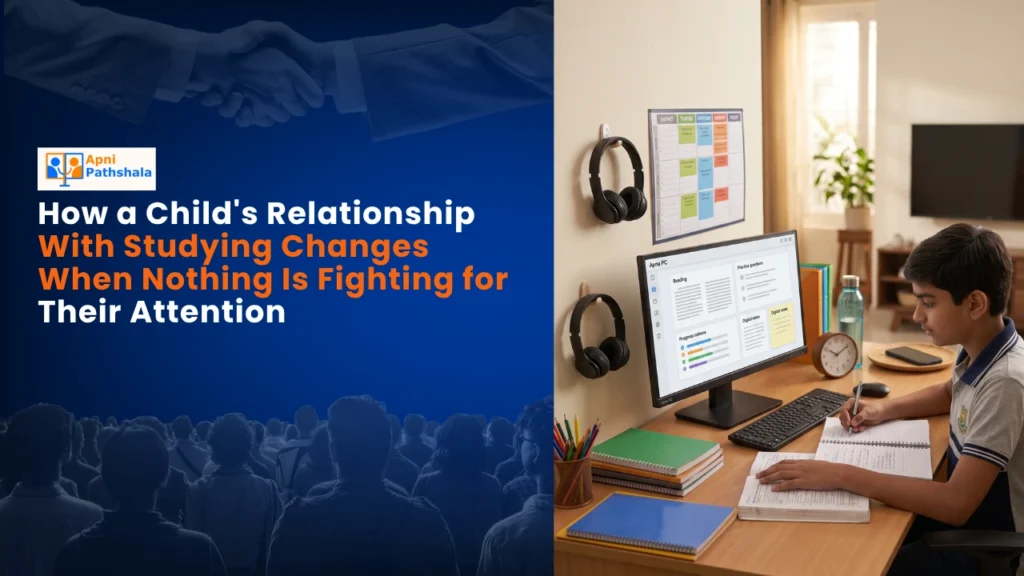
When nothing is fighting for their attention, a child’s relationship with studying usually shifts from resistance to engagement. Without notifications, games or background noise pulling at them, children settle into work faster, finish more and start to see themselves as capable learners instead of reluctant ones.
Most parents know the struggle: books open, but the mind somewhere else. A phone pings, the TV plays next door, a sibling calls out, and focus slips away.
What does divided attention cost a child?
Divided attention turns study into constant mental friction. In many Indian homes, distractions are everywhere: WhatsApp messages, YouTube autoplay, the pressure cooker whistling from the kitchen.
Each interruption pulls the mind away, and getting back into the topic takes time. If your child is interrupted every 5 minutes, they rarely reach deep learning at all.
The result is that studying feels like punishment. Hours pass with little remembered, frustration builds on both sides and the child resists studying even more. Read what happens when children switch tabs constantly.
What changes when focused learning becomes natural?
Resistance fades when the device in front of the child is built for learning, not entertainment. No notifications, no social media and no games hiding in the taskbar, just the lesson on screen.
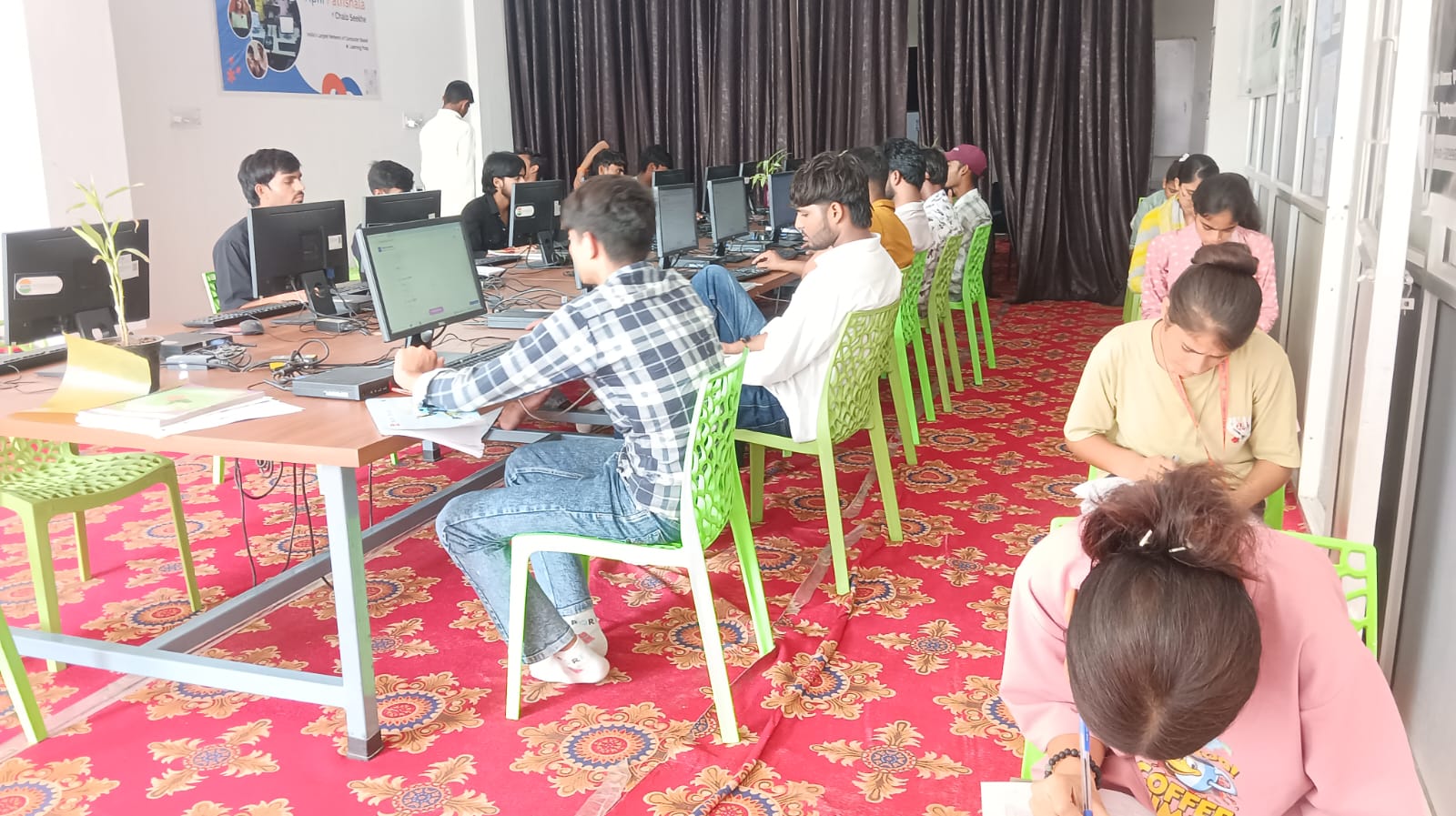
The child is no longer fighting their own mind. Many parents notice that children who once needed constant reminders start sitting down on their own, and their attitude moves from “I have to” to “I can.”
How does focused learning improve study habits?
Without distractions, study habits improve almost on their own. Your child develops a rhythm: sit down, focus, complete the work. Repeating this teaches the mind that study time is for studying, not for resisting temptation.
Better habits often mean better results, but more importantly they mean less stress. Your child is less likely to cram the night before an exam because they have been learning steadily and understand the concepts.
A dedicated learning device also removes the constant drain on willpower. Your child does not have to resist the urge to check Instagram, because it is not there.
How does focus build long-term confidence?
A child who experiences real focus discovers they are capable of understanding hard topics. That belief carries forward into exams and class.
- In exams: they feel calmer because they have actually studied.
- In class: they engage more because they are not tired from fighting distractions at home.
- Over time: focus becomes a trait, not a struggle.
For students facing board exams and competitive entrance exams, this steady focus is a real advantage. For children who worry about tests, see how to talk about Apna PC with a child who has test anxiety.
How do you create the right environment for focused learning?
You need a distraction-free space and a device designed for learning, not an expensive setup. A dedicated study computer without games or entertainment apps creates a clear boundary: this device is for learning.
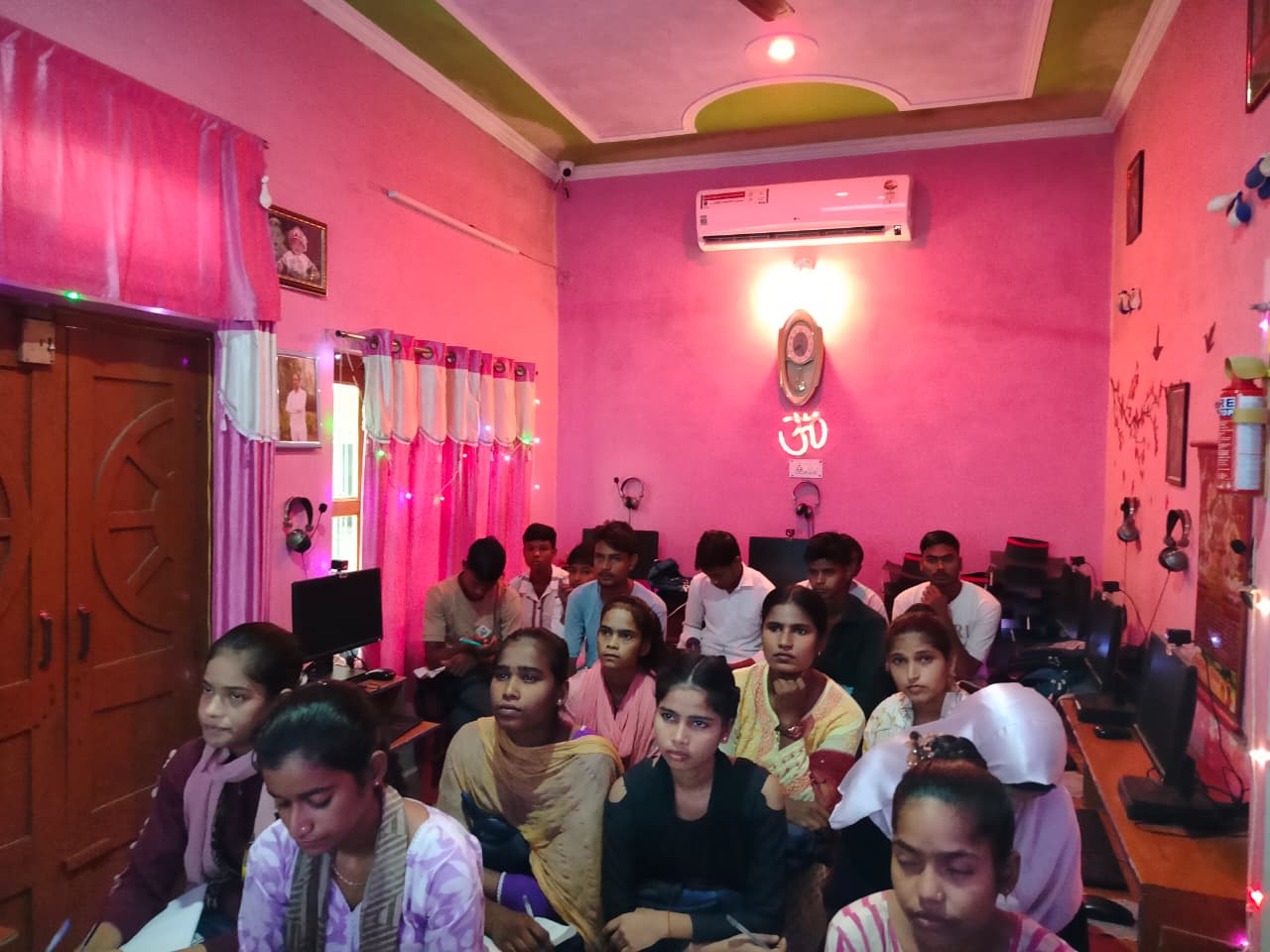
Pair it with basic habits: a quiet corner, a set study time and the phone kept in another room. For families on a budget, Apna PC offers exactly this at Rs.30,000, an affordable computer built for education.
Learn how a distraction-free computer differs from a slow one for real learning.
Why does willpower matter for focus?
Willpower is limited each day. When a child spends it resisting distractions, little is left for understanding the material. The overview of learning is useful background here.
Remove the need to resist, and that energy goes into comprehension and problem-solving instead. Platforms like DIKSHA are excellent resources, and they work best on a device where a notification cannot pull your child away mid-lesson.
What emotional changes do parents notice?
The change is not only academic. Children often become calmer and prouder of their work, and less worn out by study.
Parents notice less nagging, fewer homework fights and a home that feels less tense. If your child is struggling, the problem may not be effort or intelligence. It may be the environment.
Frequently Asked Questions
Should my child’s phone be in another room during study?
Yes, that is one of the simplest ways to protect focus. Even a silent phone on the desk can pull attention. Agree on a spot outside the room during study blocks and allow a quick check during breaks, so the rule feels fair rather than like a punishment.
Can background noise at home really affect studying?
Yes, especially constant or sudden noise like a TV, loud conversations or kitchen sounds. Choose the quietest corner available and agree on quieter hours with the family during study time. Headphones without music can also help a child block out the busiest moments.
How do I know if distractions are the real problem?
Watch a study session quietly. If your child keeps glancing at the phone, switching tabs or reacting to noises, distractions are likely a big part of the issue. Try one week with a cleaner setup and compare how much gets done.
Your child deserves to know what focused learning feels like: natural, engaged and free to absorb, question and grow. Visit Apna PC to learn how an affordable, distraction-free computer can help build study habits that last.