

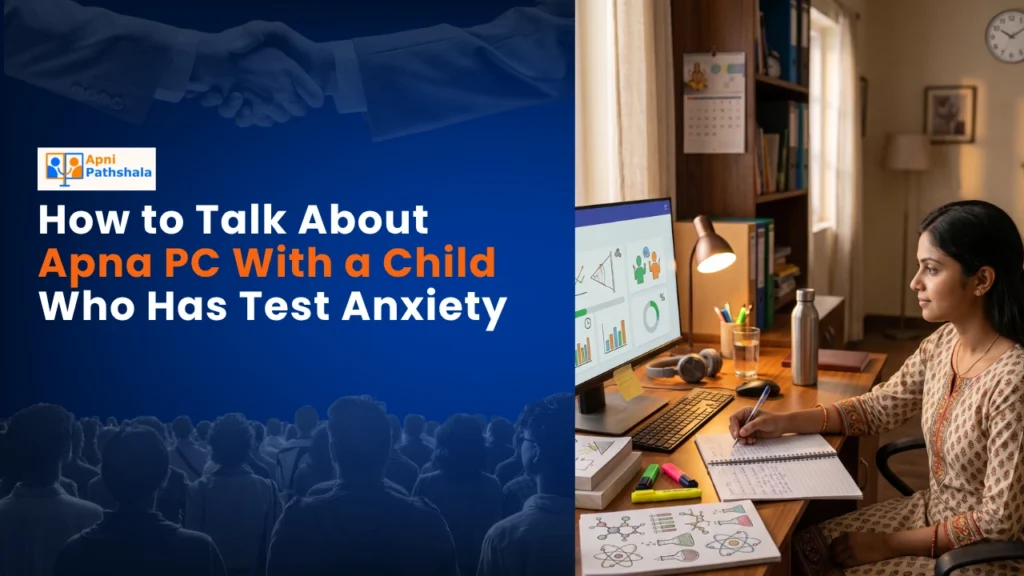
To help a child with test anxiety, give them a calm, pressure-free place to practise, and present the study computer as a better way to prepare together, not as a fix for their nerves. Regular short practice, gentle progress checks and small celebrated wins help an anxious child move from panic towards confidence.
For example, a Class 7 student who solves problems correctly at home may still say “I will fail” the night before a half-yearly exam. That is exam stress, not laziness.
What is test anxiety in children?
Test anxiety is a real stress response, not a sign of being unprepared. Your child’s nervous system goes into overdrive during exams, which can affect concentration and recall even when they know the material. The test anxiety article is useful background reading.
Your child might show these signs:
- Constant worry about failing, even after scoring well before
- Physical symptoms like headaches, stomach pain or sweating
- Difficulty sleeping the night before exams
- Avoiding study sessions because they trigger panic
- A blank mind in the exam despite knowing the answers
Often the deeper problem is that the child has no safe, pressure-free space to practise. They study in silence, worry alone and face exams with fear instead of preparation.
How can a study computer help with test anxiety?
A study computer gives your child a calm, organised place to practise at home. Apna PC is an educational computer designed for Indian students, priced at Rs. 30,000 (excluding shipping and GST).
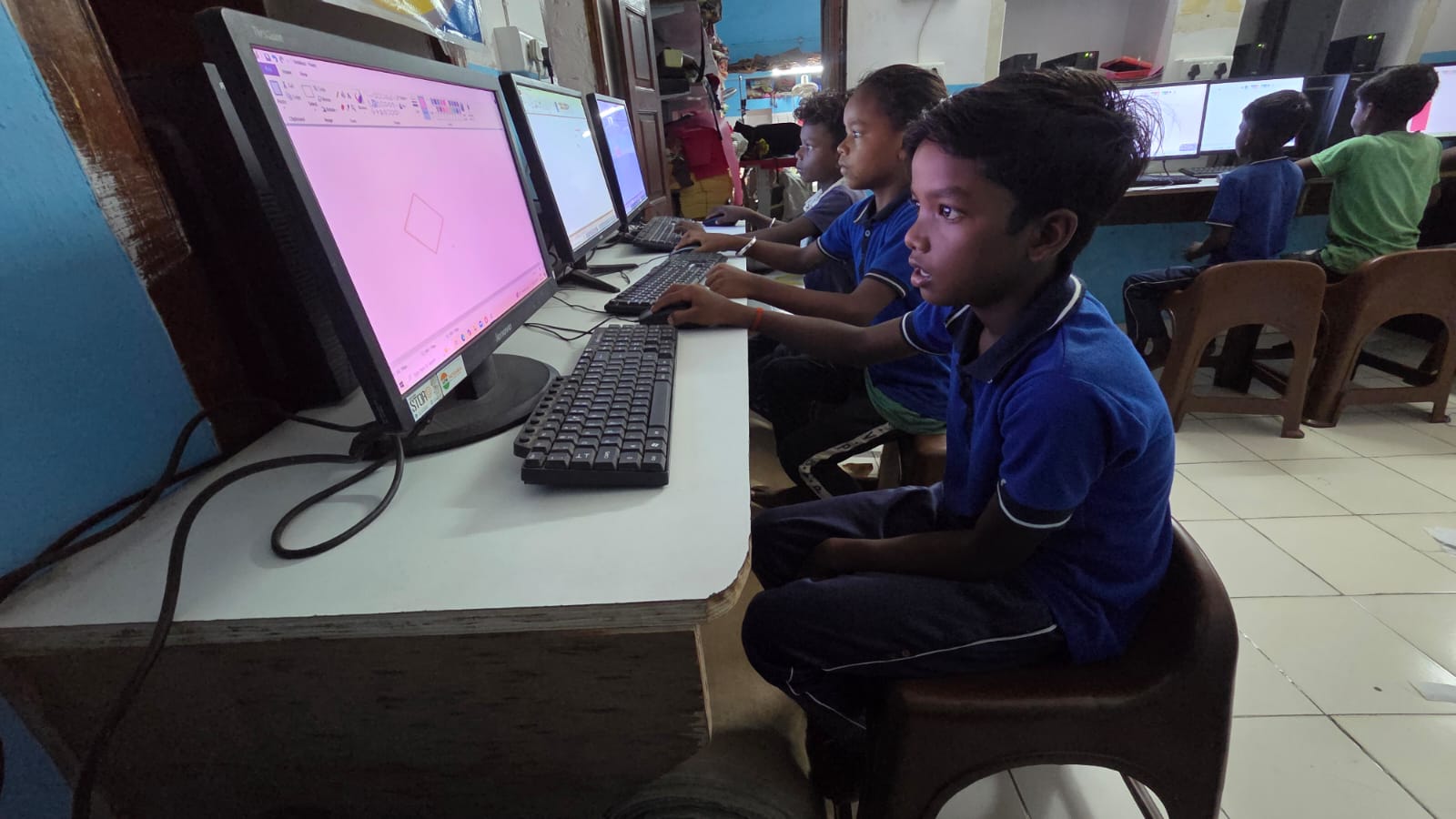
It comes with Zorin OS for a clean, distraction-free environment, LibreOffice for documents and Scratch for coding through play. It also includes Apni Prerna, a student monitoring feature. With 8GB RAM and 128GB SSD, applications run smoothly, so there is no lag to add frustration.
How does controlled practice build confidence?
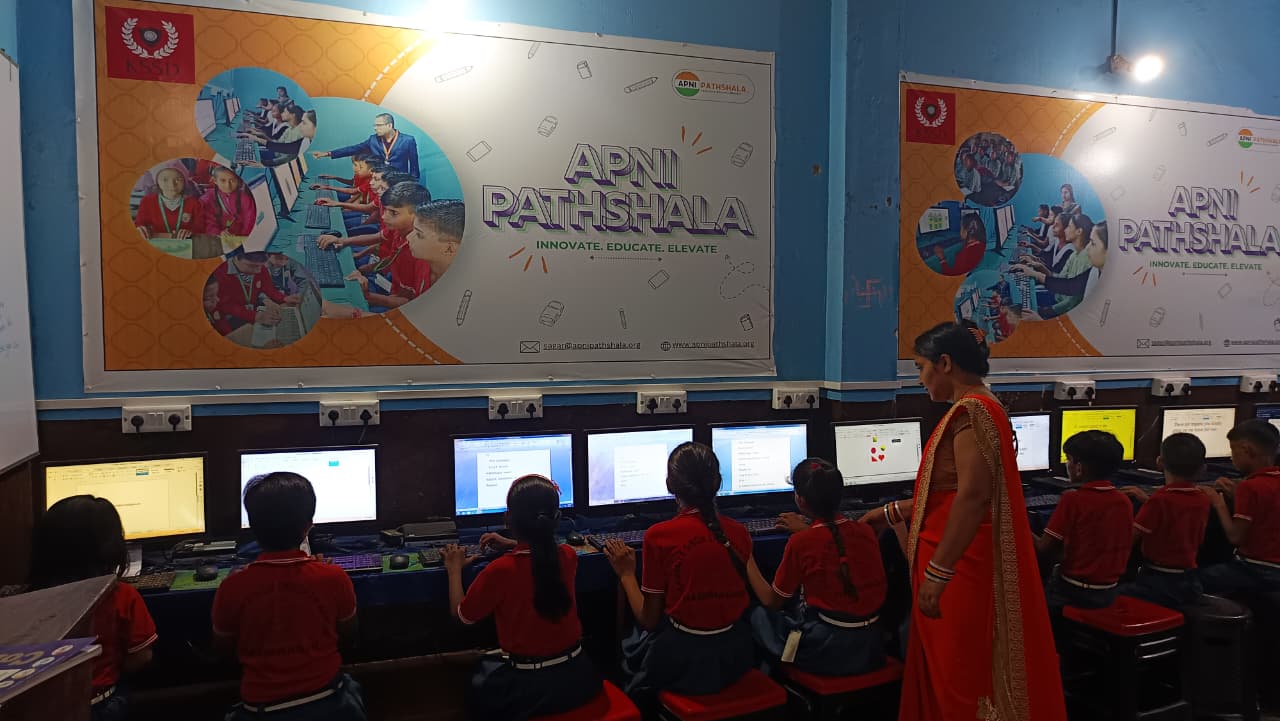
Practice in a judgment-free setting shows your child they can do it. Test anxiety grows in isolation and uncertainty, so practising mock tests, solving problems and reviewing answers at home helps your child get used to staying calm.
Apni Prerna lets you follow progress gently without hovering. You can see which topics need more work, and your child gets feedback without feeling watched. That balance matters for reducing exam stress.
How should you talk to your child about the new computer?
Present it as an upgrade to their study routine, not as “a computer because you are anxious”.
- Start with their worry: “I know exams make you nervous. We can find a better way to prepare together.”
- Make it about tools, not pressure: “This computer lets you practise like you are in the exam room, but at home where it is safe.”
- Involve them in setup: let them help organise their study space. Ownership reduces resistance.
- Create a routine: 30 minutes of daily practice becomes normal, not scary.
- Celebrate small wins: “You solved 5 problems without panicking today. That is progress.”
Your tone matters more than your words. If you are anxious about the exam too, your child will feel it. The computer gives you both something concrete to focus on.
How do you make study habits stick?
Pair the computer with consistent, gentle practice, because buying a computer alone does not fix exam stress. Our guide to study habits helps you build a realistic routine.
Your child does not need to study 4 hours a day. Studying 30-45 minutes daily in a space designed for learning is more sustainable. It also helps to keep realistic expectations: one computer will not remove all exam stress, but it removes technical barriers and gives a place to practise without fear.
What is your role as a parent?
Your calm presence and belief in your child matter as much as any tool. The Ministry of Education website is a good place to follow how schools are approaching student wellbeing and learning.
Bringing a study computer home can send a clear message: “I believe in you. I am here to help. We are doing this together.” Your child does not need to be perfect. They need to feel prepared, and to know that mistakes in practice are chances to learn. For more ideas, see how a computer helps with exam practice and confidence.
Frequently Asked Questions
What are the signs that my child has exam anxiety?
Common signs include constant worry about failing even after good scores, headaches or stomach pain before tests, trouble sleeping the night before, avoiding study sessions and going blank in the exam despite knowing the answers. If several appear together, treat it as anxiety rather than laziness.
How long should an anxious child practise each day?
Short, steady sessions work best. Around 30 minutes of daily practice, or 30-45 minutes on a regular routine, is more sustainable than long cramming. Consistency without pressure helps practice feel normal instead of frightening.
Should I tell my child the computer is for their anxiety?
It is better not to frame it that way. Present it as a better way to prepare together and a tool for practising like the real exam, but at home where it feels safe. Involving your child in setting up their study space also gives them a sense of ownership.
Your child’s test anxiety is real, but it does not have to last. With the right environment, tools and support, you can help them move from panic to confidence. Visit apnapc.com to learn more about Apna PC.