


Rajesh’s Dilemma: One Computer or Many?
Rajesh sat in his small living room in Indore, staring at his bank passbook. His two children, Priya (14) and Arjun (11), needed a computer for their online classes. His wife Sneha worked from home as a data entry operator. The question haunted him: should he buy one family computer that everyone shares, or save up for individual devices? Like thousands of parents in tier 2 and tier 3 cities across India, Rajesh faced a real problem with real consequences for his children’s education.
This choice between shared and personal devices isn’t just about money. It affects your children’s learning, your work-from-home setup, and your family’s daily routine. Let’s explore what works best for your situation.
Why a Family Computer Still Makes Sense
A single family computer can be a smart investment when budget is tight. At Rs.30,000, a quality educational computer like Apna PC becomes affordable for many households. One device means one electricity bill, one internet connection, and lower overall costs. UNESCO education research also points to the same conclusion: consistent access to one reliable device supports learning better than scattered, low-quality gadgets.
Sharing teaches children responsibility and time management. When Priya knows she has only two hours on the family computer, she plans her homework better. Arjun learns to wait his turn and respect others’ study time. These aren’t small lessons for growing children.
Parents can monitor what their children do online more easily. On a shared device, you see their browsing history, the websites they visit, and the apps they use. Apna PC comes with Apni Prerna, a student monitoring feature that helps you track study progress without being intrusive.
Sharing works well if your household has predictable routines. If your children study at different times (one in morning, one in evening), sharing becomes practical. If you work from home at night and children study during the day, one device serves everyone.
- Cost savings: One device costs less than two or three
- Shared responsibility: Children learn to manage time together
- Parental control: Easier monitoring of online activities
- Space efficiency: Saves desk space in small homes
When You Need a Shared PC vs. Personal Computers
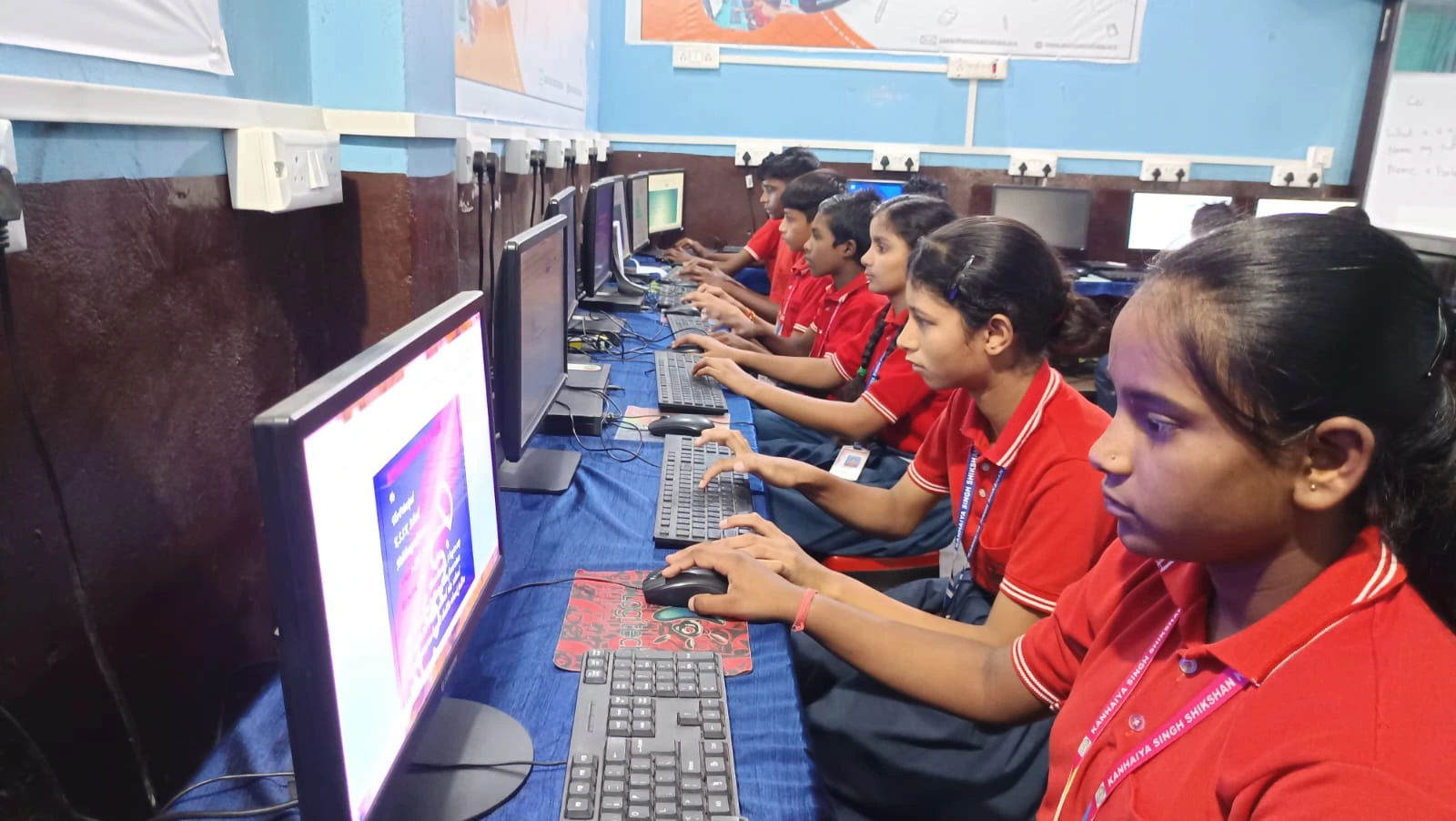
Conflicts happen when schedules overlap. If both your children have online classes at the same time (many state boards now push lessons through the DIKSHA digital platform), one family computer creates stress. Priya’s math class clashes with Arjun’s English lesson. Your work meetings get interrupted. The shared PC becomes a source of tension instead of a learning tool.
A personal computer for a student becomes necessary when they need dedicated study time. Some children need their own space to focus without distractions. Teenagers especially benefit from having their own device where they can work independently and build confidence.
Consider your family’s daily schedule honestly. Do both children need the computer simultaneously during school days? Does your work require uninterrupted access to a PC? Can you create a timetable that works for everyone, or do schedules clash too often?
The answer isn’t always one or the other. Many families use a hybrid approach: one family computer for shared tasks and a personal computer for the older child who has more demanding coursework.
What Makes Apna PC Perfect for Indian Families
Apna PC isn’t just any computer. It’s designed by Apni Pathshala specifically for Indian students and families. It comes pre-loaded with Zorin OS, a user-friendly operating system that’s fast and secure.
With 8GB RAM and 128GB SSD storage, it handles multiple tasks smoothly. Your child can watch online classes while you work on spreadsheets without lag. LibreOffice comes pre-installed for document work, and Scratch helps young learners explore coding basics. The Ministry of Education has also pushed schools toward digital classes, so computer time at home is only going to increase.
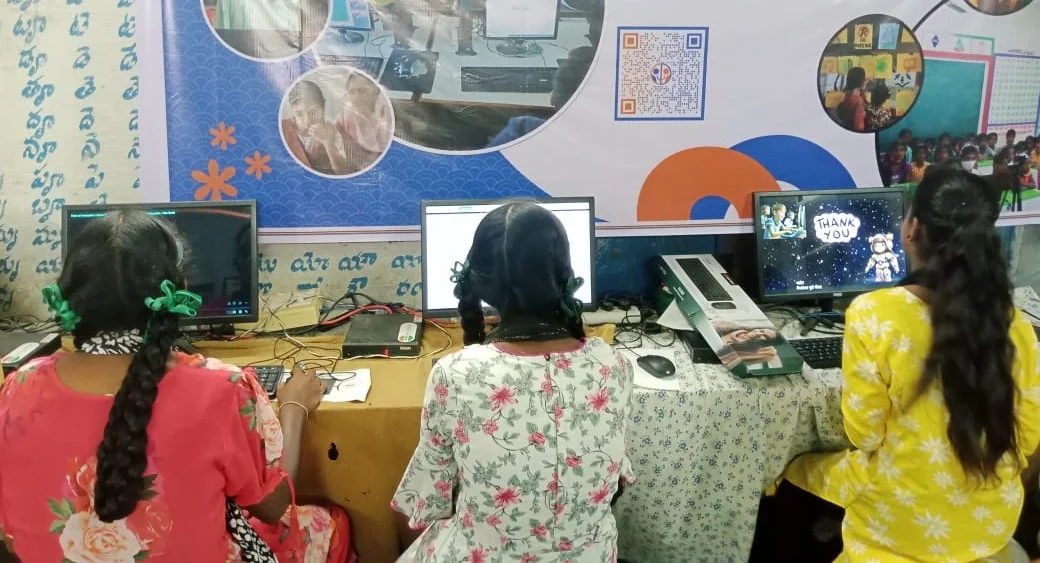
The Apni Prerna monitoring feature lets you see study progress without constant nagging. You know when Arjun opened his math app, how long he studied, and which topics he practiced. This builds trust while keeping you informed.
At Rs.30,000 (excluding shipping and GST), it’s priced for middle-class Indian families. You’re not paying for unnecessary gaming graphics or fancy features. You’re getting a solid educational tool that does exactly what your family needs.
Making Your Family Computer Decision
Ask yourself these questions before deciding. How many children do you have? What are their ages and study schedules? Do you work from home? How much can you spend right now?
If you have one child or children with non-overlapping schedules, a family computer serves well. If you have multiple children with simultaneous study needs or you work from home full-time, consider starting with one quality shared PC and adding a personal device later.
Back to Rajesh’s story: he chose to buy one Apna PC for his family. Priya studies in the morning before school, Arjun uses it in the afternoon, and Sneha works on it in the evening. They created a shared timetable and it works. When Arjun moves to higher classes next year, they plan to add another device.
Your family’s needs are unique. There’s no one-size-fits-all answer. What matters is making an informed choice based on your schedule, budget, and children’s learning needs. A quality family computer from Apna PC can be the foundation of your children’s digital education journey. Visit apnapc.com to learn more.