


When Isha Got Her Own Screen
Isha’s mother, Priya, still remembers the morning everything changed. Her daughter had been sitting at the kitchen table since 5 AM, waiting for her father to finish checking emails so she could attend her online class. It was 2021, and like millions of families in Tier 2 cities across India, the Sharmas shared one computer. Isha’s younger brother needed it for his assignments. Her father needed it for work. Her mother needed it to manage the household budget. By the time Isha got her turn, she’d already missed the first 20 minutes of her mathematics lesson.
That’s when Priya decided to invest in a personal computer for students. She wasn’t thinking about luxury. She was thinking about her daughter’s future. Today, Isha logs on whenever she needs to. She’s not rushing through lessons. She’s not stressed about whose turn it is. And her grades have improved by two full points.
If your family is in a similar situation, you’re not alone. Millions of Indian households still share one computer among multiple family members. But what really changes when your child gets their own device? Let’s explore this together.
The Hidden Costs of Sharing a Computer
When you share a computer, you’re sharing more than hardware. You’re sharing time, attention, and opportunity. Your child waits. Your child rushes. Your child misses deadlines.
Consider what happens during exam season. Your son needs to submit his project by 6 PM. Your daughter has an online test at 7 PM. Your husband is in a video call for work. Someone loses. Usually, it’s your child’s education.
A shared computer also means shared distractions. Your child sits down to study, but the browser still has your shopping cart open. The last video you watched is still in the history. Notifications from your work emails keep popping up. It’s not your child’s fault they get distracted. The device itself is pulling their attention in different directions.
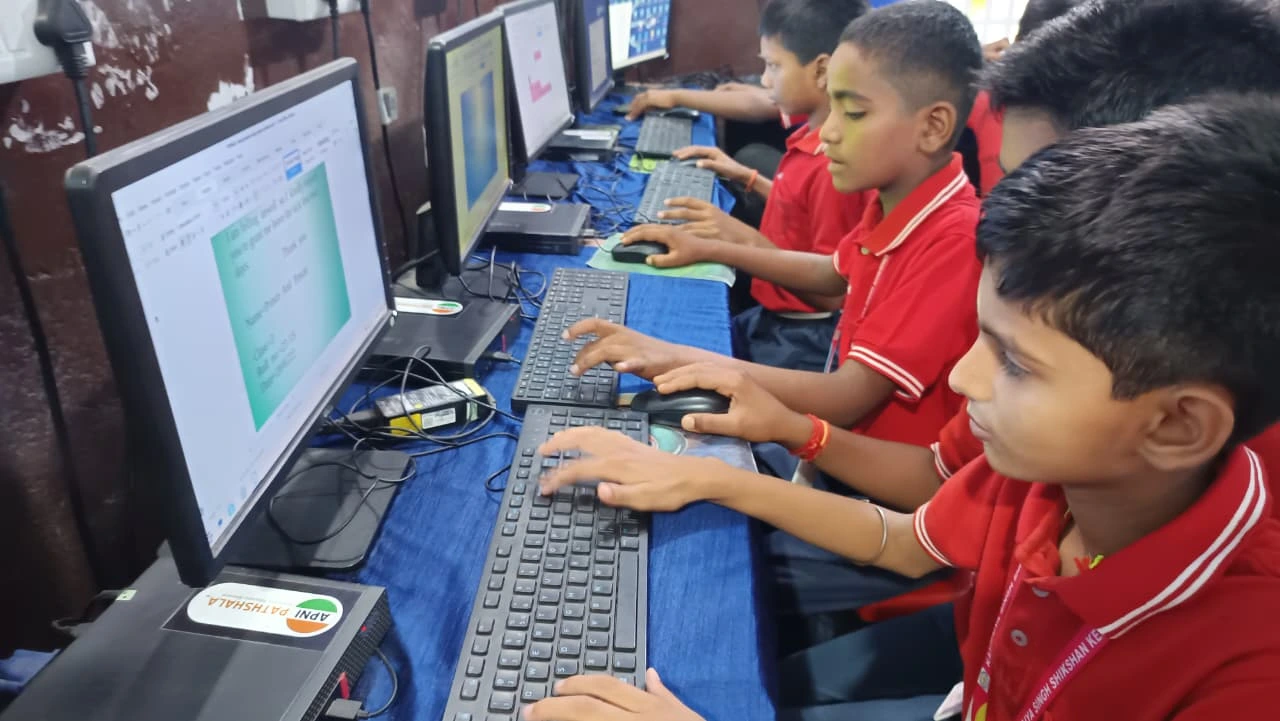
Another issue parents don’t always talk about is this. When you share a device, you can’t monitor what your child is actually doing without constantly hovering over them. You don’t know if they’re really studying or just pretending. You don’t know which websites they’re visiting. You can’t set healthy boundaries because the computer belongs to everyone.
What Changes When Your Child Gets a Personal Computer for Students
The first thing that changes is focus. Your child sits down at their own device and knows it’s their space, their time. There’s no waiting. There’s no competing with your work emails or your shopping lists. The device is set up for learning, not for everything.
The second thing is responsibility. When your child has their own computer, they understand that it’s a tool they need to take care of. They’re more likely to keep it organised. They’re more likely to use it properly. They’re more likely to respect it.
Third is independence. Your child can study at their own pace. They can pause a video from the DIKSHA digital learning platform and rewind it. They can access CBSE materials without waiting for you to finish what you’re doing. They can do their homework whenever they’re ready, not whenever the computer is available.
Fourth is better learning outcomes. Research from UNESCO shows that students with dedicated devices spend more time on learning activities and less time on distractions. They complete more assignments. They engage more with educational content. Their grades improve.
Why a Personal Computer for Students Is Different
Not every computer is right for a student. When you’re choosing a device for your child, think about what they actually need. They need something reliable. They need something that won’t slow down during online classes. They need something with enough storage for projects and assignments.
They also need something that supports learning, not distraction. A device with the right software pre-loaded makes a huge difference. When your child opens their computer, they should see learning tools. They should see LibreOffice for documents and presentations. They should see Scratch for coding. They should see a clean, organised interface that encourages focus.
Many families wonder about the difference between a family computer and a student device. You can read more about this in our guide on family computer vs student computer. The short answer: a student device is designed around your child’s needs, not general household tasks.
The Apna PC Solution for Indian Families
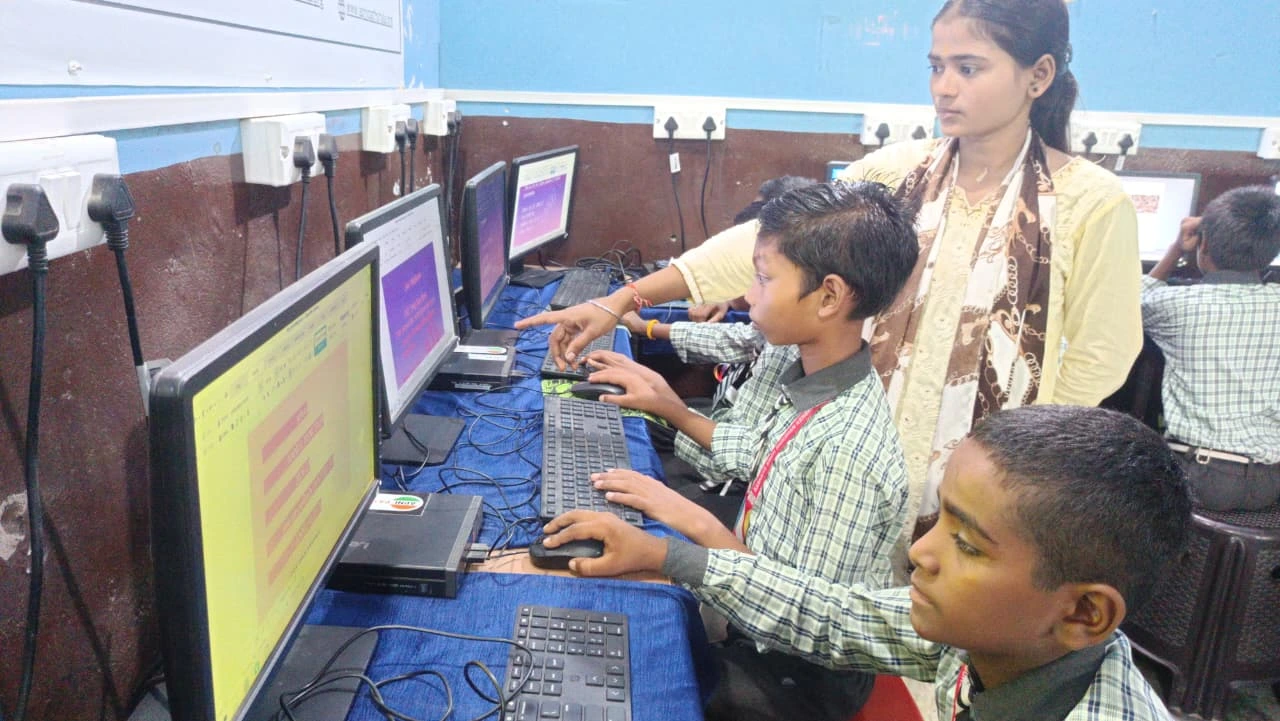
Apna PC is built specifically for students in Indian homes. At Rs. 30,000, it’s designed to be affordable for families in Tier 2 and Tier 3 cities who want to give their child a personal computer without breaking the bank. It comes with 8GB RAM and a 128GB SSD, which is enough for smooth online classes, video calls, and project work.
The device runs Zorin OS, a clean and simple operating system that won’t confuse your child. It comes pre-loaded with LibreOffice for documents, Scratch for coding, and Apni Prerna, an educational monitoring tool created by Apni Pathshala. This means you can see how your child is using their device without invading their privacy. You can set healthy limits. You can encourage good habits.
Your child gets a device that’s actually designed for Indian education. It works with CBSE curriculum materials. It supports online learning platforms. It’s fast enough for video calls but simple enough that your child won’t get lost in complicated software.
Making the Decision
Giving your child their own computer is an investment in their future. It’s not just about technology. It’s about giving them a space to focus, learn, and grow. It’s about removing barriers to their education.
If your family has been sharing one computer, you’ve probably noticed the strain it creates. The waiting. The rushing. The stress. A personal computer for students changes all of that. Your child gets to study when they need to. You get peace of mind knowing they have the right tools. Everyone wins.
Your child’s education matters. They deserve a space where they can focus on learning without distractions or delays. A personal computer for students isn’t a luxury anymore. It’s becoming a necessity for families who want their children to succeed. Visit apnapc.com to learn more.