


Rajesh sat at his kitchen table in Indore, watching his 12-year-old daughter Priya struggle with her new laptop. She’d open her textbook PDF, then click to YouTube, then to a game, then back to homework. “Beta, focus,” he’d say, but he felt helpless. Last month, a teacher mentioned something called an education computer. Rajesh had never heard of it. He thought a computer was a computer. But three weeks ago, everything changed when he brought home an Apna PC from Apni Pathshala. Today, Priya sits down, opens it, and actually studies for two hours straight without asking for his help. That’s when Rajesh realised: an education computer isn’t just a regular PC with a fancy name. It’s built differently, on purpose, for your child’s learning.
What Is an Education Computer, Really?
An education computer is a purpose-built machine designed specifically for students and learning. It’s not a gaming PC. It’s not a regular office computer that your dad uses for email. This machine comes pre-loaded with software that supports studying, not distraction. Think of it like the difference between a school bus and a family car. Both have wheels and seats, but one is built for a specific job.
The Apna PC is Apni Pathshala’s education computer, and it costs Rs.30,000 (shipping and GST excluded). It runs Zorin OS, a clean, simple operating system designed for learning environments. It comes with LibreOffice for documents and spreadsheets, Scratch for coding, and Apni Prerna, a built-in student monitoring tool. You don’t need to buy extra software or spend hours setting it up. Open the box, plug it in, and you’re ready to study.
How an Education Computer Differs From Your Regular PC
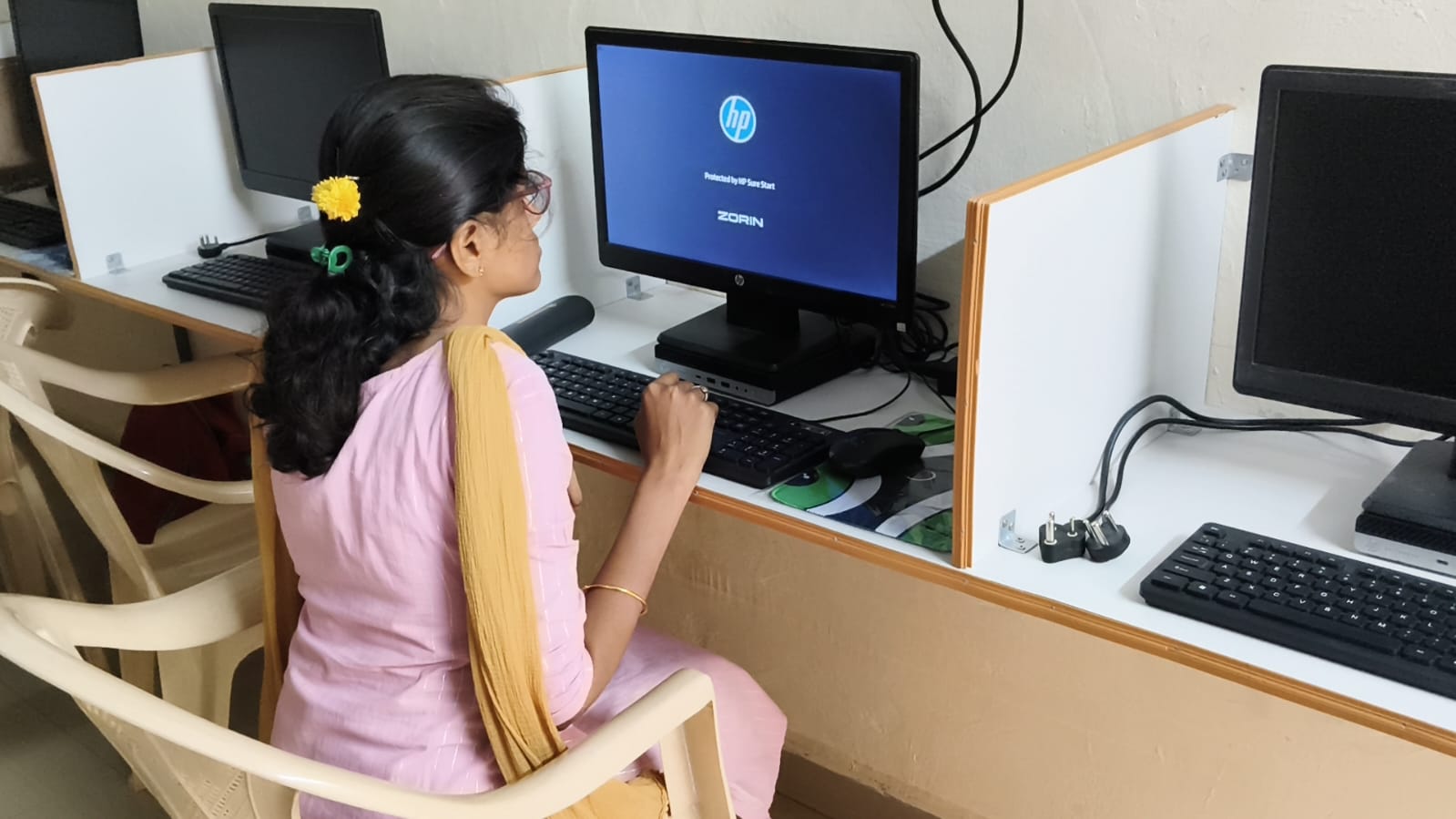
A regular PC is like a Swiss Army knife. It does everything, which means it does nothing particularly well for learning. Your regular PC has a cluttered desktop, notifications popping up, games installed, and a hundred ways to get distracted. This machine has one job: help you study better.
Here’s what sets the two apart. First, the operating system is clean and lightweight. Zorin OS on the Apna PC doesn’t have bloatware or unnecessary programs eating your RAM. Second, the software is educational. LibreOffice helps you write essays and create presentations. Scratch teaches you to code by building games and animations. These aren’t random apps. We chose them because they help students learn.
Third, and this is big, it has built-in monitoring through Apni Prerna. Your parents can see how much time you’re spending on study apps versus games. You’re not being spied on like a criminal. Instead, your parents get honest insights into your learning habits. A regular PC doesn’t offer this. Check out the office PC vs student PC difference to see the full breakdown.
Why Distraction Control Matters While Studying
Your brain is designed to get distracted. Scientists know this. That’s why YouTube, Instagram, and games are engineered to be addictive. A regular PC gives distractions full power. This one pushes back.
The Apna PC runs Zorin OS, which is built for focus. The desktop is simple. No notifications scream for your attention. The browser doesn’t open with ten tabs by default. When you sit down to do math homework, you’re not fighting your computer. Your computer is fighting for you.
Apni Prerna, the monitoring tool, helps with this too. When your parents see that you spent three hours on a game instead of studying, they can talk to you about it. Not to punish you, but to help you build better habits. That’s the difference between a tool that watches you and a tool that helps you grow.
Ready to Study Straight Out of the Box
When you buy a regular PC, you spend days installing software, removing bloatware, and figuring out settings. With this machine, you don’t. The Apna PC arrives with 8GB RAM and a 128GB SSD. It has Zorin OS already installed. LibreOffice, Scratch, and Apni Prerna are ready to go. You open it and start learning within minutes.
This matters more than you think. Many students get excited about a new computer, then lose motivation because setup is complicated. There’s no friction between wanting to study and actually studying.
Budget Honesty: What You’re Actually Getting
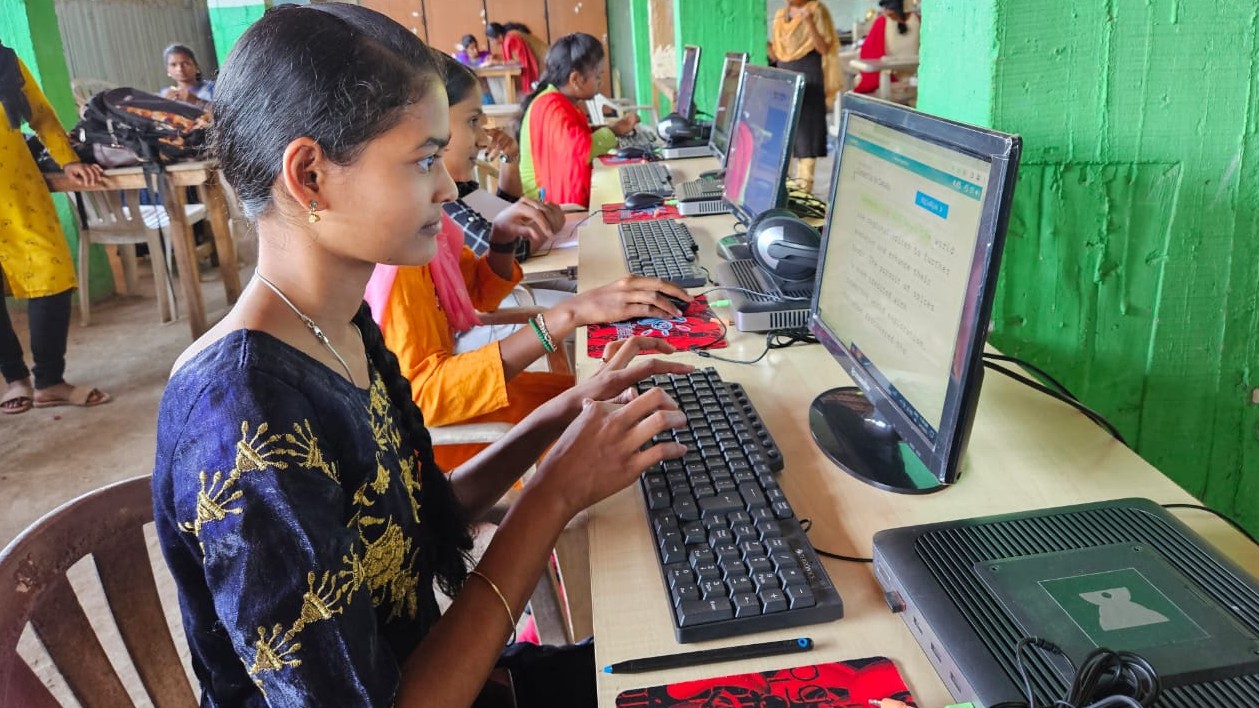
Let’s be real about price. Rs. 30,000 (shipping and GST excluded) isn’t cheap for many families in Tier 2 and Tier 3 Indian cities. But here’s what you need to understand: this is an honest price for what you’re getting. No hidden features. No marketing tricks.
You’re getting a computer designed by Apni Pathshala, an organisation that works in education. You’re getting a machine that will last your child through school and into college. You’re getting software that doesn’t spy on you or sell your data. You’re getting a tool that helps you focus, not distract.
Compare this to a regular Rs.30,000 PC from a big brand. That computer will slow down within a year. It’ll come loaded with software you don’t need. Your parents won’t know if you’re actually studying or just pretending. You’ll know exactly what you’re paying for.
Why It Keeps Its Value for Years
A regular PC becomes outdated fast. This machine is different because it’s built for learning, not gaming. You don’t need the latest graphics card to write essays or code in Scratch. The Apna PC will work just as well in two years as it does today.
This matters when your younger sibling needs a computer, or when you move to college. It doesn’t become a paperweight. It keeps working. It keeps helping students learn. That’s long-term value that a regular PC can’t match.
How It Supports India’s Learning Goals
India’s Digital India initiative and platforms like DIKSHA are pushing digital learning forward. But digital learning needs the right tools. This machine bridges the gap between India’s learning ambitions and what students can actually access.
When you understand India’s education landscape, you see why purpose-built tools matter. Many students in Tier 2 and Tier 3 cities don’t have access to quality computers. They use old machines or share family laptops. This changes that. It’s affordable. It’s reliable. It’s designed for Indian students.
The Real Question: Is This Right for Your Family?
Ask yourself these questions. Does your child struggle to focus while studying on a regular computer? Do you want to understand your child’s learning habits without being invasive? Are you looking for a computer that will last through school? Do you want something that’s honestly priced and doesn’t try to be something it’s not?
If you answered yes to these, this machine is worth considering. It’s not a replacement for good parenting or study habits. It’s a tool that supports both. The Apna PC is built by people who understand Indian education. It’s not a Western product with an Indian price tag. It’s designed for you.
Your child’s education is too important to leave to a regular PC. It gives you a learning partner, not just a machine that collects dust. See how a purpose-built machine can change your child’s study habits from day one. Visit apnapc.com to learn more.