

An educational computer without games keeps study time focused, because entertainment is not one click away when your child sits down to learn. Apna PC, priced at Rs.30,000, ships with no pre-installed games on purpose: the computer is a tool for knowledge, and parents decide if and when any games are added.
What is the purpose of an educational computer?
An educational computer is a learning device, not a gaming console. Apna PC is designed for students who need a distraction-free place to study.
Pre-installed games create instant temptation. Without them, your child has to make a deliberate choice to download and install a game, and that extra step reduces impulsive gaming during study sessions. Your child still has full access to educational software, coding platforms and any entertainment you choose to allow. The difference is that you keep control, not the device.
How does a game-free computer help with schoolwork?
Without built-in games, more of your child’s computer time goes to homework, projects and skill-building. Apna PC’s clean operating system encourages this focused approach.
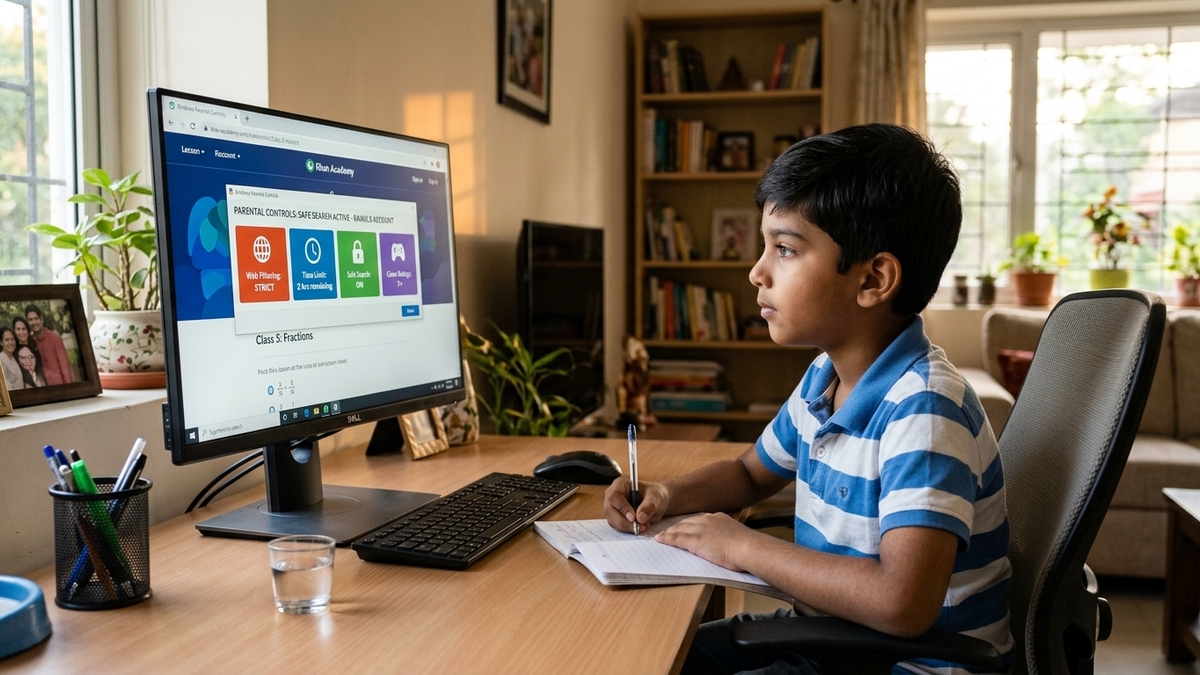
Over time, your child starts to connect the computer with getting work done rather than putting it off. The computer becomes a serious tool, not a leisure device. Learn more about how Apna PC distraction-free learning supports study habits.
How does a study computer build healthy routines?
A computer without games makes it easier to separate work time from leisure time. When a device is loaded with entertainment, that line blurs, and study sessions get longer but less productive.
- Your child uses the study computer for schoolwork, projects and research during set study hours.
- Gaming, if allowed, happens on a different device or during free time you approve.
- Clear separation teaches self-discipline and time management.
Children who learn to use technology with purpose grow into adults who control their devices instead of being controlled by them. See how to build a study routine with Apna PC.
Who controls what gets installed on the computer?
You do. Pre-installed games mean constant friction, with parents battling built-in entertainment instead of supporting study. A game-free setup means you work with the device, not against it.

The computer comes ready for study, coding, research and creative projects. If you decide your child should have specific games or apps, you install them yourself. This is especially useful for younger students (ages 8-14) who are still developing self-regulation. To compare with add-on tools, read Apni Prerna vs parental control apps.
How does a game-free computer fit India’s education goals?
It puts technology access to work for learning. The Education in India overview describes how the system is organised, and the Digital India initiative promotes technology access for students with a clear purpose.
Apna PC gives students genuine digital literacy: coding, research, document creation and online learning, without the distraction cost that games bring.
Frequently Asked Questions
Can my child still play games on Apna PC?
Only if you allow it. Apna PC ships without games, but parents can install specific games or apps themselves. The point is that entertainment is added by choice, not waiting on the screen every time your child sits down to study.
Will my child find a computer without games boring?
Not necessarily. The computer still offers coding platforms, research, creative projects and educational software, which many children enjoy. Making things in Scratch or building a project can be engaging, and it teaches skills that games do not.
Is a game-free computer better for younger children?
It is especially helpful for younger students, around ages 8-14, who are still learning self-regulation. Removing a major source of distraction lets them build a habit of using the computer for learning, while you decide when and how entertainment enters the picture.
Apna PC is an affordable educational computer that puts learning first. Visit apnapc.com to see how it supports your child’s studies.