

Digital readiness must come before digital literacy. When schools introduce tablets or online platforms before students understand how to use a computer, the tools go unused. Building foundational computer skills first makes every digital learning programme more effective. This guide explains what digital readiness means and how to build it at home before formal digital literacy begins.
- Typing without looking at the keyboard is a core readiness skill
- Understanding files, folders, and menus must come before learning apps
- Opening, navigating, and closing programs correctly builds confidence
- Digital literacy programmes work best when readiness is already in place
- Home practice with a dedicated computer is the fastest way to build readiness
What Digital Readiness Actually Means?
Digital readiness is the set of basic skills that make a child comfortable with a computer before they start learning specific applications. It includes typing without looking at the keyboard. It includes understanding how files and folders work. It includes knowing how to open an application, navigate a menu, and close a program properly.
These skills sound basic. But millions of Indian students do not have them. They have never used a keyboard. They have never organized files. They have never navigated a desktop interface. When they encounter a digital learning platform, they spend more time figuring out how to use the tool than learning the content.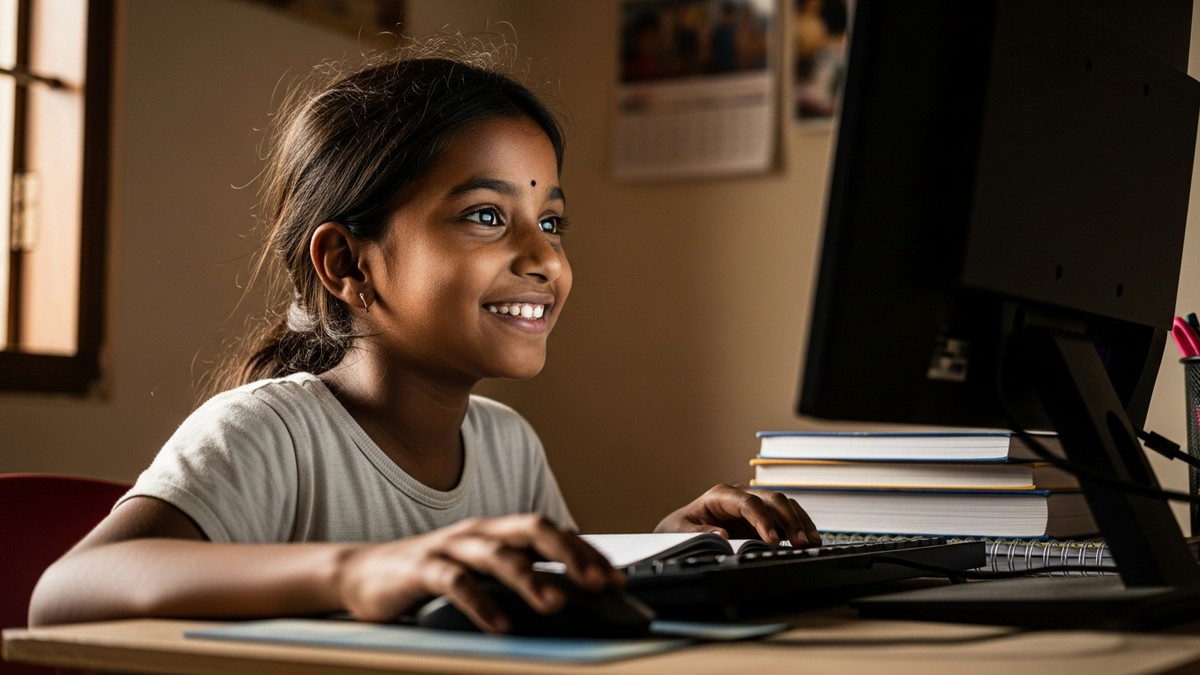
Digital literacy assumes readiness. It assumes the student can type, navigate, and search. When that assumption is wrong, the literacy program fails. The student blames themselves. The teacher blames the technology. Nobody realizes that the problem was readiness, not literacy.
DIKSHA, India’s national digital learning platform, offers thousands of digital courses. But a student who cannot type comfortably will struggle to complete assignments. A student who does not understand file management will lose their work. The platform is ready. The student is not.
Why Must Readiness Come Before Literacy?
You do not teach a child to read before they can hold a book. You do not teach them to write before they can hold a pencil. The foundational skill comes first. The advanced skill follows.
The same logic applies to digital education. You do not teach a child to code before they can type. You do not teach them to use spreadsheets before they understand what a file is. You do not teach them to navigate an online platform before they can use a mouse confidently.
Digital skills for students build on each other. Typing is the foundation. Navigation is the second layer. Application use is the third. Creative problem-solving is the top. If the foundation is missing, everything above it is unstable.
Technology readiness is not about age. It is about exposure. A 10-year-old who has been using a computer for two years is more digitally ready than a 15-year-old who has never touched one. The younger child will pick up new applications quickly. The older child will struggle with basic navigation.
What Is Apna PC and How Does It Help Indian Students Learn Better? It gives them the foundational skills that make digital literacy possible.
How to Build Digital Readiness at Home
Building digital readiness does not require a coding bootcamp or a digital literacy course. It requires a computer and the freedom to explore.
Give a child a computer. Do not install any specific learning software yet. Let them explore the operating system. Let them open applications. Let them create folders and save files. Let them type random things in a word processor. Let them click on menus and see what happens.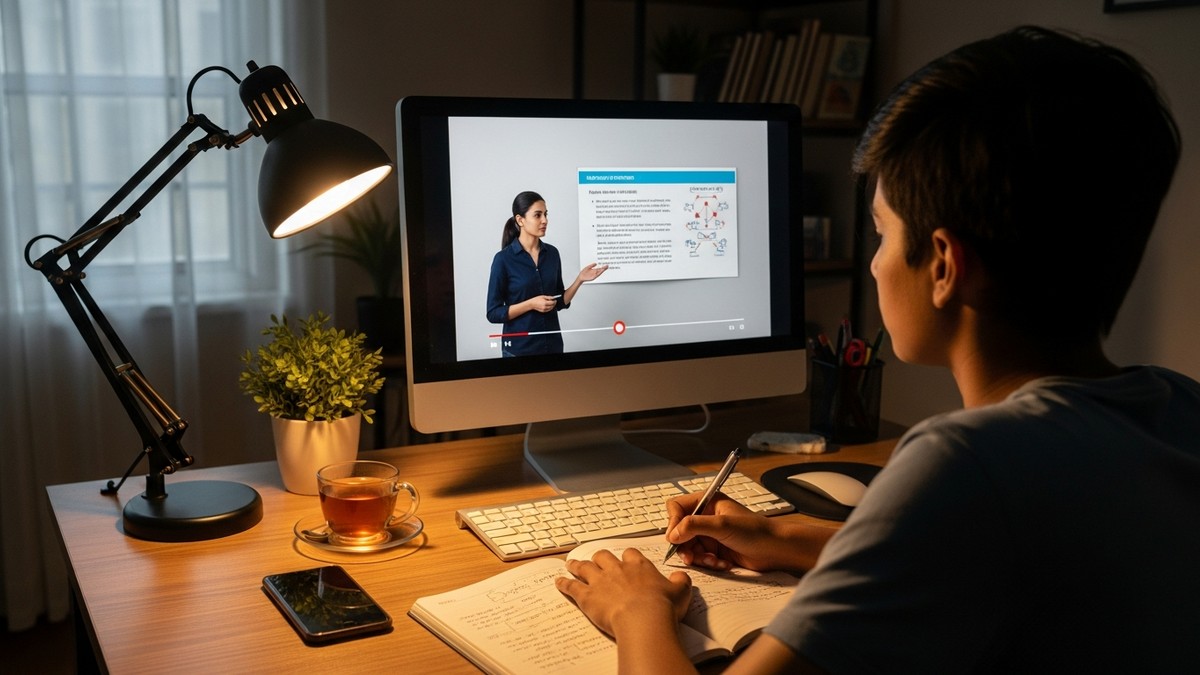
Within a week, the child will have learned more about digital navigation than any structured course could teach. They will know how to open a program, save a file, locate a document, and switch between applications. These are readiness skills. They are the foundation that digital literacy builds on.
Once the child is comfortable with the machine, then introduce specific tools. Scratch for coding. LibreOffice for documents. A browser for research. The child will pick up these tools quickly because they already have the foundational skills. They are ready.
The Biggest Advantage a Student Can Have Today. But the advantage goes beyond knowing how to use a computer. It is about being ready to learn any digital tool that comes their way.
What Parents Should Do Right Now?
If your child has never used a computer, do not start with a coding course. Do not start with a digital literacy program. Start with readiness. Give them a machine and let them explore.
Apna PC, priced at ₹30,000 (shipping and GST excluded), is designed for exactly this. It comes pre-loaded with basic tools that help children build readiness before they move to advanced applications. A child sits down, opens a word processor, types their first sentence, and moves from readiness to literacy.
Children who are digitally ready before they encounter digital literacy programs are the ones who benefit from those programs. The children who are not ready get frustrated and give up. Readiness is not optional. It is the foundation.
NCERT, National Council of Educational Research and Training advocates for foundational skills in education. Digital readiness is the foundational skill for the digital age. Give your child the tool to build it. Read our guide on self-learning through a computer for practical first steps. Visit apnapc.com to learn more.
Frequently Asked Questions
What is the difference between digital readiness and digital literacy?
Digital readiness is the foundation: comfort with devices, basic navigation, and the ability to use a keyboard confidently. Digital literacy builds on top of that, covering critical evaluation of online information, digital communication, and creative use of tools. A child who cannot type or navigate a file system cannot develop genuine digital literacy, regardless of how good the curriculum is.
At what age should a child start building digital readiness?
Digital readiness starts with simple exposure to a keyboard and screen in primary school, well before secondary-level digital literacy programmes begin. Children who handle a computer regularly from an early age adapt faster when formal digital education is introduced. The specific age matters less than the consistency and quality of access.
Can a child develop digital readiness at home without formal instruction?
Yes. A dedicated home computer with pre-loaded software creates the conditions for readiness to develop naturally. When a child uses a computer daily for homework, creative projects, and learning games, they build comfort and confidence that formal instruction can then build on. Apna PC is set up for exactly this kind of daily home practice.
Digital readiness is built through daily use, not a one-time lesson. Apna PC gives your child a consistent, distraction-free computer to build that foundation at home.