


Your teenager spends hours scrolling through social media, gaming online, and watching videos. You worry about screen time, but what matters more is digital maturity. Digital maturity isn’t about limiting hours. It’s about building the skills, judgment, and responsibility your child needs to thrive in an increasingly digital world. As India embraces the Digital India initiative, young people need more than access to devices. They need wisdom. Parents often fixate on counting minutes, hoping a strict timer will solve everything. The reality is far more nuanced. A child who uses technology with purpose develops habits that serve them for life, regardless of how many hours they spend online.
What Is Digital Maturity and Why It Matters
Digital maturity means understanding how to use technology thoughtfully, safely, and productively. It’s the ability to make smart choices online, recognise risks, respect others’ privacy, and balance digital life with real-world activities. A digitally mature teen doesn’t just consume content. They create, learn, and contribute responsibly.
Unlike screen time limits, which focus on quantity, digital maturity addresses quality. A child watching educational content for two hours shows better digital maturity than one mindlessly scrolling for thirty minutes. The difference lies in intention, awareness, and skill development. Parents who shift their focus from clock-watching to skill-building see a remarkable change in how their children interact with technology at home and in school environments.
Digital Maturity Starts With Understanding, Not Restriction
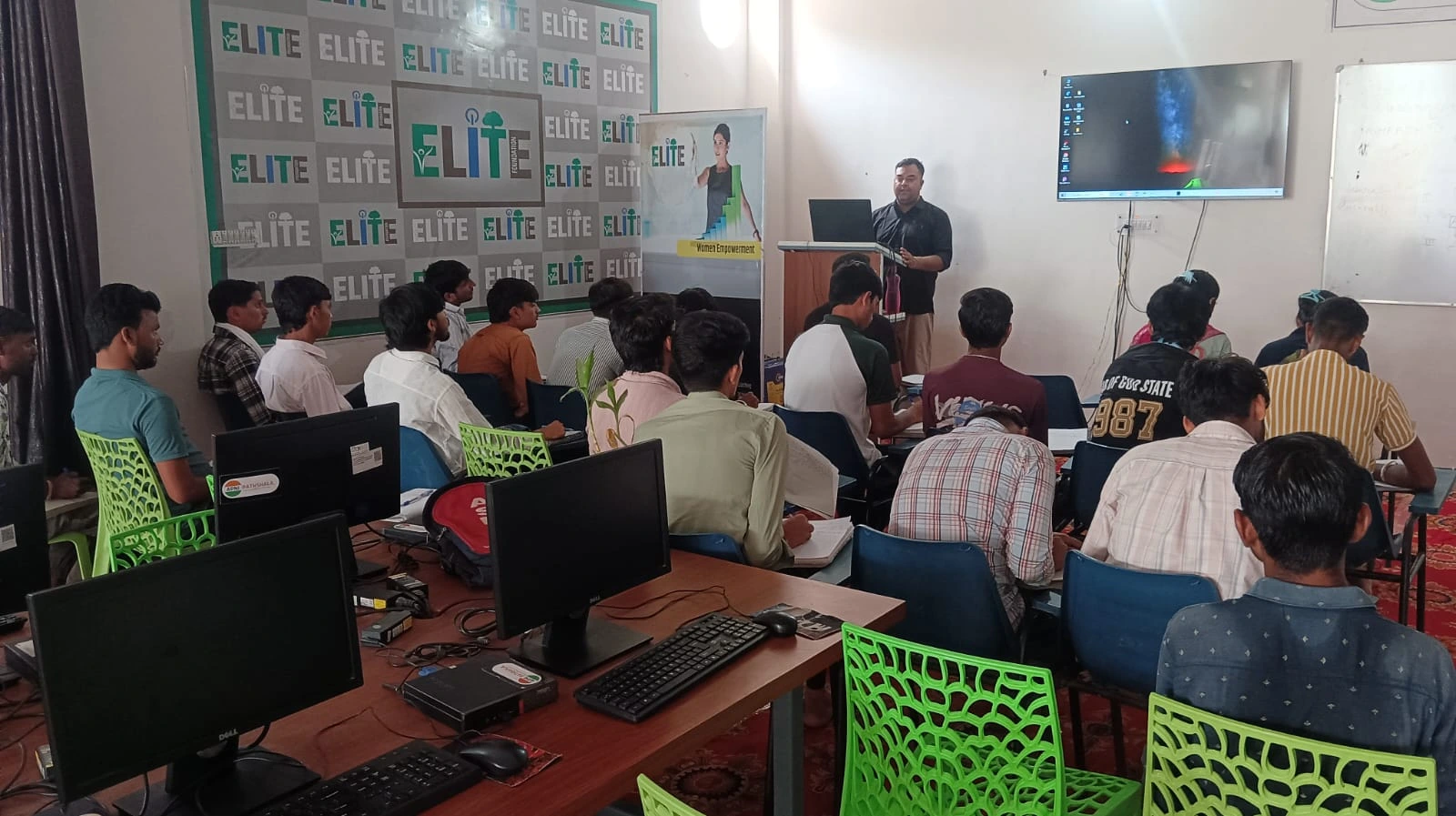
Many Indian parents default to blocking apps or setting strict time limits. While boundaries help, they don’t build digital maturity. Your child needs to understand why certain behaviours matter and what the consequences are. Rules imposed without explanation often lead to rebellion or secretive usage, which defeats the purpose entirely.
Start conversations about online safety, digital footprints, and cyberbullying. Explain how algorithms work and why social media companies compete for attention. When teenagers understand the “why” behind technology, they develop critical thinking skills that last a lifetime. Make these conversations regular, not one-time lectures. Share news stories about data breaches or online scams. Discuss what went wrong and how similar situations could be handled better.
Apna PC helps children understand computers by providing hands-on, practical learning. When kids build foundational tech knowledge, they become more discerning users rather than passive consumers. Understanding hardware and software basics gives them confidence to troubleshoot problems independently, a skill that translates directly to better decision-making online.
Building Digital Wellbeing Through Responsibility
Digital wellbeing isn’t just about mental health. It’s about creating sustainable habits. A digitally mature teenager manages notifications, chooses when to go offline, and knows when to ask for help. They recognise the signs of digital fatigue and take proactive breaks without being told.
Encourage your child to:
- Set their own screen time goals based on priorities and academic needs
- Use technology for learning, creation, and meaningful connection with peers
- Recognise when they’re tired, distracted, or feeling overwhelmed by information
- Speak up about online pressure, uncomfortable situations, or cyberbullying attempts
- Contribute to family digital norms rather than follow imposed rules
- Evaluate apps and platforms critically before downloading or signing up
This approach builds intrinsic motivation. Your teenager learns to regulate themselves because they understand the value, not because you’re watching. Over months, this self-regulation becomes second nature, preparing them for independent decision-making in college and beyond.
Responsible Technology Use Requires Practice
Digital maturity develops through experience, mistakes, and reflection. Your role is to guide, not control. Let your child navigate age-appropriate challenges while you remain available for support. Think of it as teaching them to ride a bicycle. You hold on initially, then run alongside, and eventually watch them pedal independently.
If they post something they later regret, use it as a teaching moment about digital footprints. If they fall into gaming for hours, explore what they’re seeking—connection, achievement, escape. Address the underlying need rather than simply confiscating the device. These conversations strengthen your relationship and build trust, making your child more likely to come to you when real problems arise online.
Apna PC builds a child’s learning confidence by giving them real tools to explore technology constructively. Confidence in tech skills translates to wiser choices online. When a child understands how systems work, they’re less likely to fall for phishing attempts, fake news, or manipulative content designed to exploit inexperienced users.
Screen Time Management With Purpose
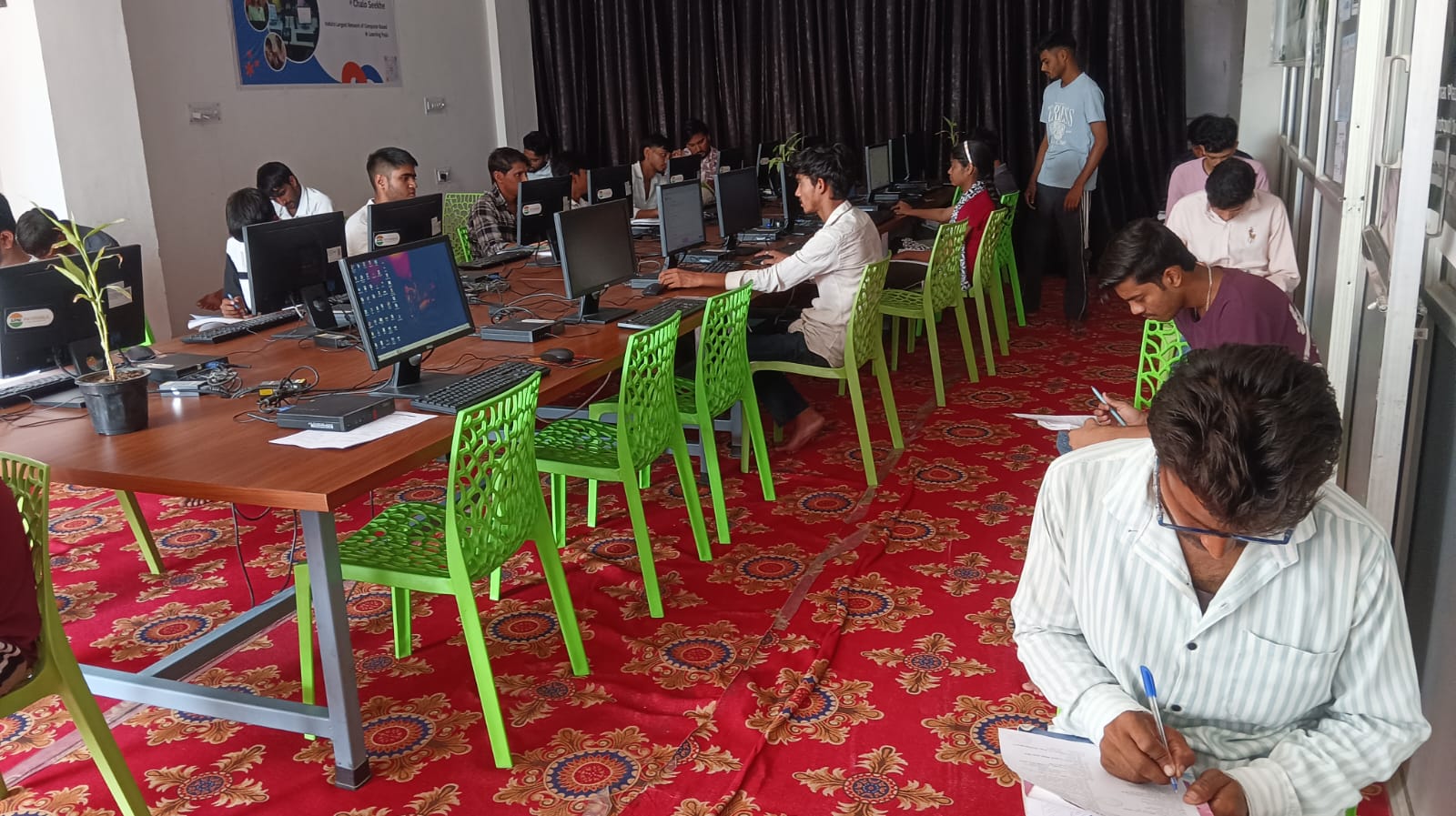
Limiting screen time matters, but context matters more. Thirty minutes of video calls with a friend builds connection. Thirty minutes of mindless reels drains energy. A digitally mature teen understands the difference and chooses accordingly. They learn to categorise their digital activities into productive, recreational, and wasteful buckets.
Help your child audit their screen time by asking: “Is this adding value to your life right now?” Over time, this question becomes their internal compass. They begin managing time purposefully rather than reactively. Consider creating a family media agreement together. Not as a punishment, but as a collaborative framework everyone agrees to follow. When teens help create rules, they’re far more likely to respect them.
Partner With Schools and Digital India Initiatives
India’s push toward digital literacy through the official Digital India portal creates opportunities for young people to develop tech skills responsibly. Encourage your child to join coding clubs, digital citizenship programs, or online learning platforms that emphasise ethical technology use.
Schools increasingly teach digital literacy, but home reinforcement matters. Show genuine interest in what your child learns online. Ask questions about their projects, their favourite educational apps, and the challenges they face. Share your own digital challenges openly. Model the digital maturity you want to see. Children learn more from observation than instruction. If you scroll mindlessly at dinner, they’ll notice. If you put your phone away during family time, they’ll notice that too.
The Long-Term Benefit of Digital Maturity
A digitally mature teenager becomes a digitally mature adult. They’re better equipped for college applications, online learning, remote work, and navigating an AI-driven future. They’re less vulnerable to misinformation, scams, and manipulation. Employers increasingly value digital literacy alongside traditional qualifications. A young person who demonstrates responsible technology use has a genuine competitive advantage.
Most importantly, they develop agency. They see technology as a tool they control, not something that controls them. That’s the real win. They enter adulthood confident, capable, and prepared for a world where digital skills aren’t optional but essential.
Ready to support your child’s journey toward digital maturity? Visit apnapc.com to learn more about how affordable, quality computers can support your child’s digital learning journey and help build the skills they need for tomorrow.